Harry’s Quiet Act of ‘Respect’ for William Following the Queen’s Death: Why All Hope Is Not Lost
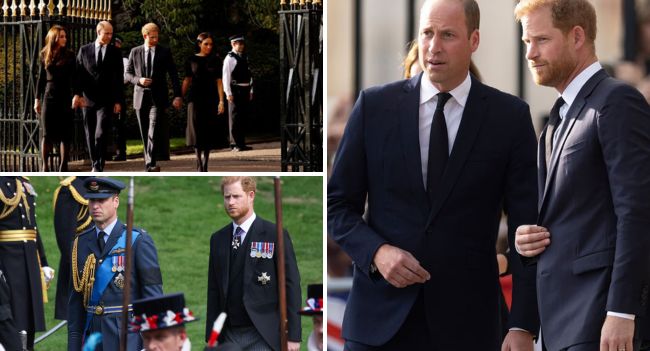
Amid the acute institutional friction currently accompanying Prince Harry and Meghan Markle’s domestic resettlement in England, seasoned royal commentators have revisited a pivotal moment of understated fraternal deference: Prince Harry’s quiet act of respect toward Prince William following the death of Queen Elizabeth II in September 2022. While subsequent media projects and literary broadsides deepened the familial divide, the instinctive protocol observed by the Duke of Sussex during that period of profound national grief offers enduring evidence that the emotional foundation between the estranged brothers has not been irrevocably destroyed.
The defining manifestation of this dynamic occurred during the unannounced joint walkabout outside Windsor Castle on September 10, 2022. Confronting a sea of mourners alongside their wives, Harry noticeably calibrated his behavior to defer directly to William’s elevated status. Rather than asserting equal personal standing, the Duke deliberately allowed his elder brother—newly invested as Prince of Wales and direct heir to the throne—to command the pace, direction, and public choreography of the encounter. This subtle deference repeated during the committal service at St George’s Chapel, where Harry held back at the entrance of the quire pews, ensuring William, Catherine, Prince George, and Princess Charlotte were seated first in strict accordance with royal precedence.

Royal biographers observe that these unscripted physical courtesies speak far louder than manufactured public statements. In the crucible of sudden dynastic transition and raw personal mourning, Harry’s instinctive response was not rebellion or rivalry, but an innate adherence to institutional hierarchy and lifelong respect for his brother’s constitutional destiny. These actions confirmed that despite years of estrangement and transatlantic grievances, the psychological conditioning of royal duty and fraternal loyalty remains deeply embedded within the Duke’s subconscious.
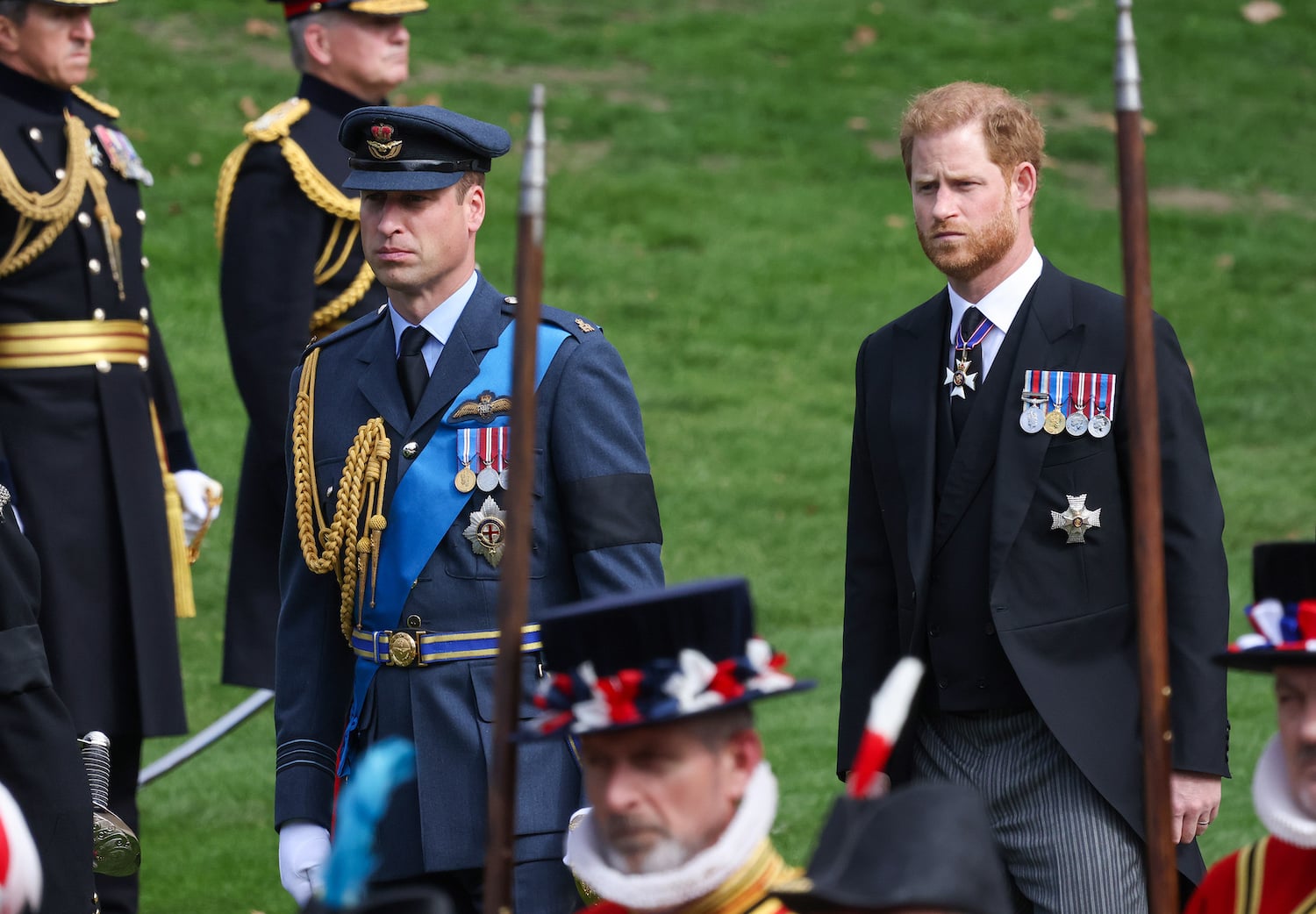
Consequently, constitutional analysts argue that the historic Windsor reconciliation proves that hope for an eventual rapprochement remains fundamentally viable. While the current standoff—characterized by administrative circulars from King Charles and resolute silence from Prince William—presents formidable barriers, the underlying reservoir of shared history and mutual deference endures. If the estranged brothers ever manage to navigate their way past legal disputes and defensive public relations briefings, the quiet respect Harry displayed during their darkest collective hour demonstrates that reconciliation, while exceedingly difficult, remains within the realm of possibility.
