The Royal Title Prince Archie Doesn’t Use: Inside Harry and Meghan’s Rejection of ‘Earl of Dumbarton’

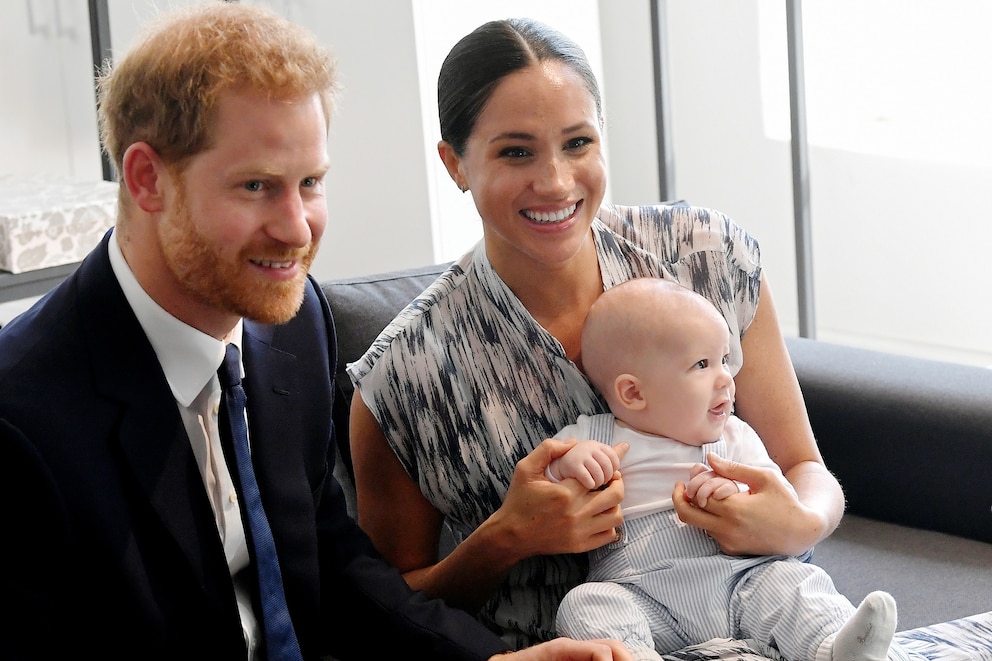
Following Prince Archie’s birth in the United Kingdom on May 6, 2019, royal watchers were surprised when the palace formally presented the newborn as Master Archie Harrison Mountbatten-Windsor rather than Prince Archie of Sussex. This original styling was strictly governed by the 1917 Letters Patent issued by King George V, which restricted the titles of Prince and Princess to the children of the sovereign, male-line grandchildren, and the eldest living son of the eldest son of the Prince of Wales. Consequently, while Prince William’s children were granted royal princely styling from birth, Harry’s firstborn entered the world without automatic royal title status.
:max_bytes(150000):strip_icc():focal(757x411:759x413)/archie-meghan-markle-prince-harry-tout-5626-4426b5ce68ed41dcbef86ab5b7a87c59.jpg)
Nevertheless, heraldic tradition dictated that Archie was fully entitled to assume his father’s senior secondary title, the Earl of Dumbarton—a Scottish peerage bestowed upon Prince Harry by Queen Elizabeth II on his royal wedding day in 2018 alongside the Barony of Kilkeel. However, the Duke and Duchess of Sussex deliberately stepped in to decline the courtesy peerage for their young son. Reports from The Telegraph revealed that the couple harbored acute misgivings regarding how the title might look and sound, specifically fearing that the word “dumb” at the beginning of Dumbarton could invite playground teasing or negative public perceptions.

The linguistic caution surrounding the courtesy title eventually became moot when the royal line shifted with the passing of Queen Elizabeth II. Several months following the accession of King Charles III to the British throne, it was confirmed that both Archie and his younger sister Lilibet—who was born in California in 2021—would formally be styled as Prince and Princess by virtue of being male-line grandchildren of the reigning sovereign.
Now seven years old, Prince Archie has returned with his parents and sister to reside on British soil, where both siblings have officially commenced schooling within the domestic UK education system. While the young royal now carries a princely title in line with dynastic convention, his family’s conscious decision to bypass his ancestral Scottish peerage remains a classic example of modern parental branding colliding with ancient aristocratic precedent.