Prince Harry Branded ‘More of an Actor than an Expert’ After Awkward Teleprompter Glitch in New York
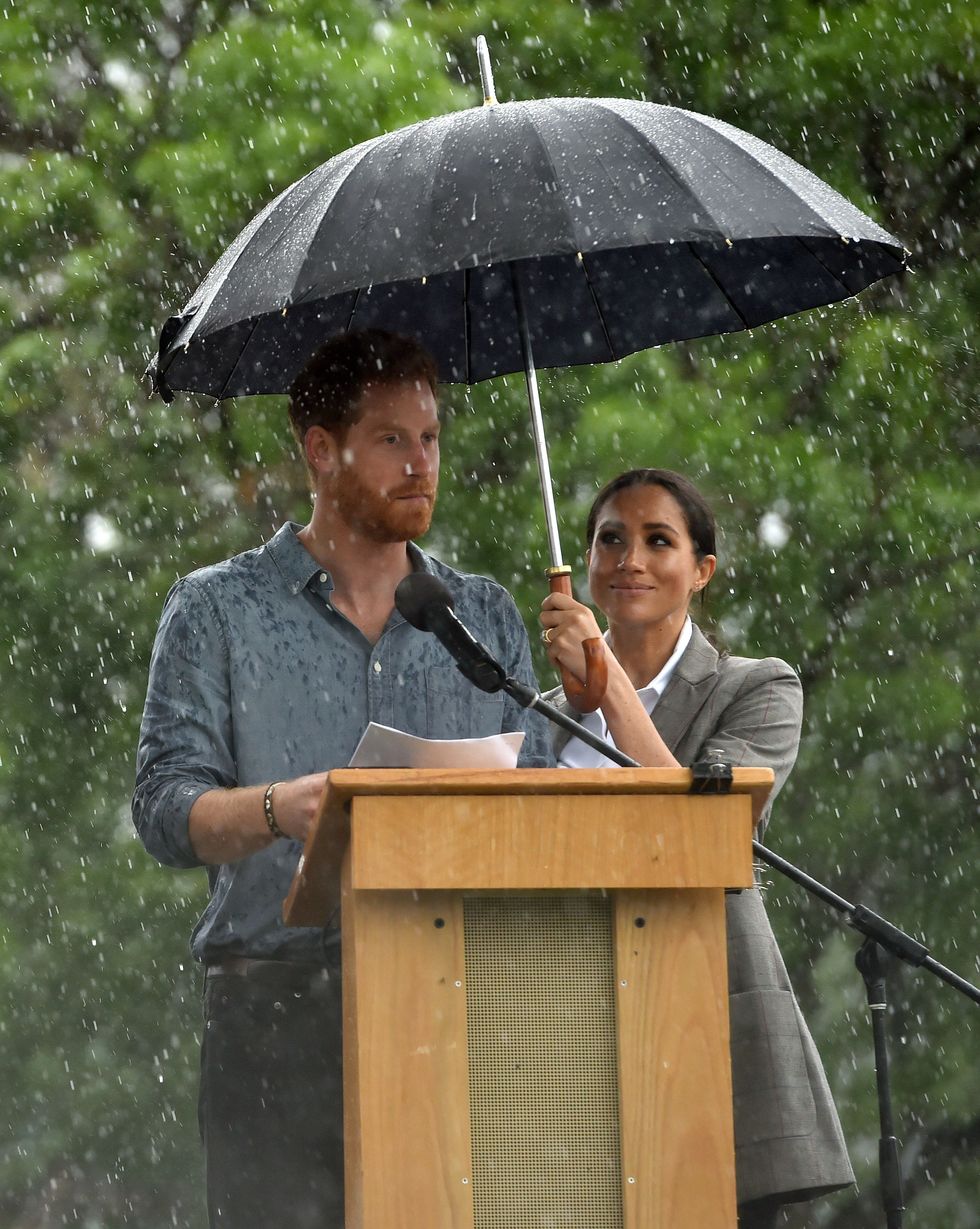
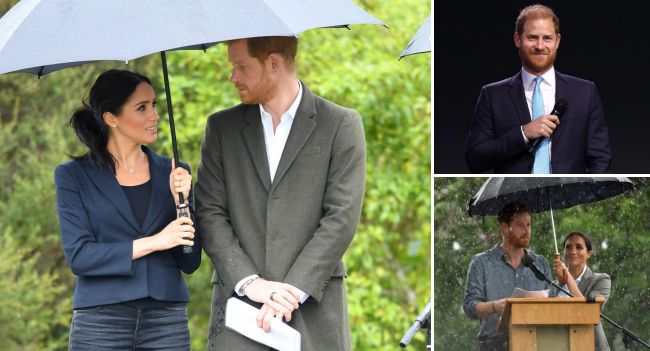
Prince Harry’s public address at the Clinton Global Initiative annual meeting in New York City took an awkward turn this week after a technical failure on his autocue prompted him to abruptly halt mid-speech and exit the stage. Speaking on the perils of unregulated artificial intelligence and online child safety, the 42-year-old Duke of Sussex froze in total silence for several uncomfortable seconds before lamely uttering, “And that’s it,” and stepping into the wings.
The public blunder drew sharp criticism from leading body language analyst Judi James, who argued that the incident strongly exposed Harry as a scripted “performer” rather than the authoritative “expert” he aims to project on international stages. James noted that an authentic subject-matter specialist does not rely entirely on pre-written teleprompter copy, pointing out that when Harry’s script vanished, his thoughts and vocabulary evaporated alongside it.

Highlighting subtle behavioral tells—such as searching backward toward the blank screen, anxious hand tics, and sudden shifts in facial expression from simulated anger to palpable dread—James emphasized that Harry treated the moment like an interrupted actor rather than pivoting spontaneously with extemporaneous insights or seasoned charm.
The sudden retreat highlighted an over-reliance on structured talking points, contrasting sharply with the agile delivery expected of seasoned global keynote speakers.
Harry eventually returned to the lectern to deliver the remainder of his prepared remarks, attempting to brush off the glitch with a self-effacing quip: “AI got into my speech, so I was asked to come out and finish it.”
Pivoting back to his core message, he passionately urged international leaders to safeguard children against exploitative digital algorithms, framing his plea through the emotional lens of fatherhood and shared grief with bereaved families.
Nevertheless, the unscripted mishap continues to fuel critical debate surrounding royal advocacy, underscoring the delicate balance public figures must strike between genuine conceptual fluency and scripted public relations.