1. The Core Clash Over the 1997 Funeral Procession
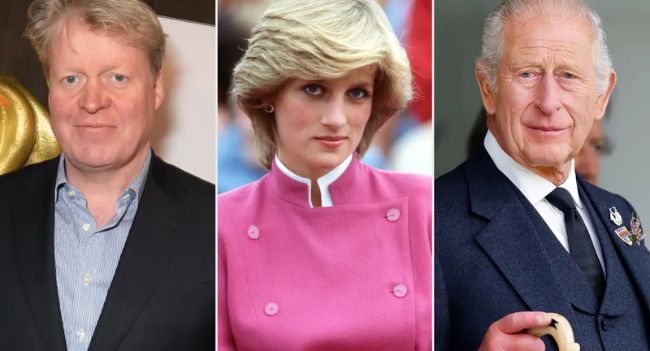
The intense media fallout surrounding Earl Charles Spencer’s memoir Swan Song: Diana, My Sister centers heavily on the explosive confrontation regarding how Princess Diana’s final farewell was orchestrated:max_bytes(150000):strip_icc():focal(749x0:751x2):format(webp)/charles-spencer-princess-diana-king-charles-091626-61cf83ac1a5b43d984e743180c7dda29.jpg)
-
The Walking Procession Dispute: According to excerpts published ahead of the book’s release, Earl Spencer fiercely opposed plans forcing young Princes William and Harry (then ages 15 and 12) to walk behind their mother’s coffin through the streets of London.
-
The “We’ll Forget Her” Remark: Spencer writes that during a heated phone call over the protocol, then-Prince Charles unleashed pent-up frustration and stated dismissively: “Rest assured, we’ll forget her soon enough!”—a comment that left the Earl completely stunned.
2. Buckingham Palace’s Rare and Stern Rebuttal
The unprecedented nature of the memoir’s claims triggered a swift, defensive wall from the British monarchy, breaking traditional protocols of silence.

-
The Official Statement: In a remarkably stark response, Buckingham Palace issued a statement noting: “While we do not comment on books as a matter of principle, His Majesty is mindful that the pain of fraternal grief can cloud reason, affect judgment and colour memory in ways others do not recognise…”
-
Weighing the Historical Impact: Media analysts noted that the wording serves as one of the sharpest official pushes back against a royal biography in modern history, setting the stage for an intense public debate as the book hits shelves.