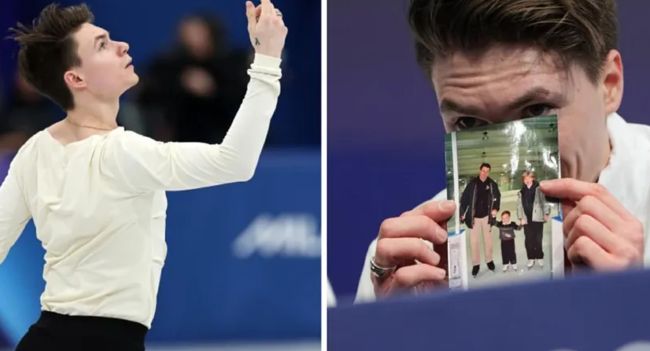
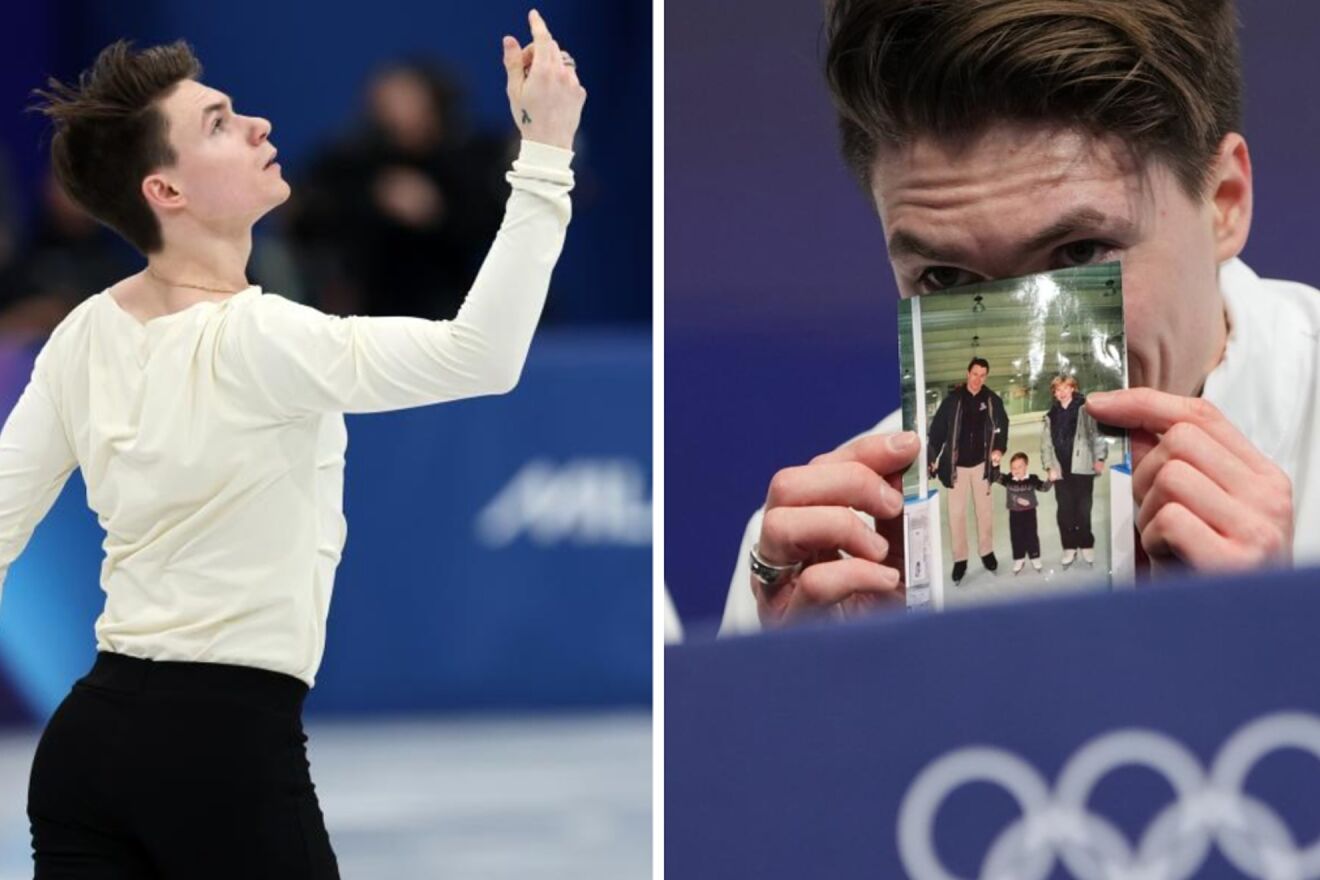
As global audiences follow Ilia Malinin’s Olympic campaign, many newer viewers are only now discovering a performance that longtime skating fans say will forever define the young champion beyond medals and technical records. It wasn’t about quads, scores, or podium placements. It was about grief — and a tribute that turned a competitive program into a moment of collective mourning.
The performance took place at the World Championships in Boston, held shortly after the tragic Flight 5342 disaster that deeply affected members of the Boston skating community. Several families connected to the Boston Skating Club were directly impacted, and the mood inside the arena that night was already heavy before Malinin even stepped onto the ice.
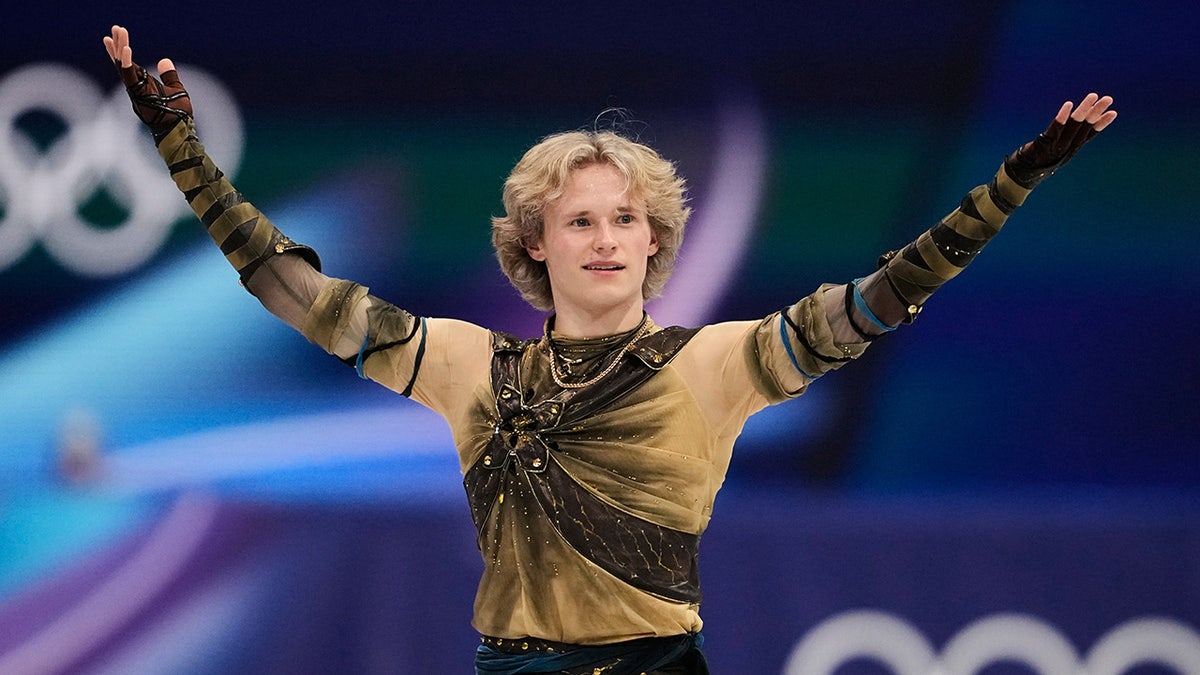
Midway through the routine, Malinin delivered several technically demanding elements flawlessly. But as the music built toward the emotional climax, something shifted. Observers noticed his composure begin to falter. A small stumble, an uncharacteristic hesitation, and suddenly the polished competitive façade gave way to something deeply human.

As the final sequence approached, Malinin slowed. Instead of pushing through to complete the program at full intensity, he appeared visibly overwhelmed. His movements softened, his expression changed, and then, in a moment few expected, he simply couldn’t continue at full force.
The music ended with Malinin standing still on the ice, eyes glistening, trying to compose himself. For a split second, confusion rippled through the crowd. Then realization set in.
The arena rose in unison.
Witnesses say applause thundered not for technical mastery, but for courage — for honoring loss in a public space where athletes are usually expected to suppress emotion in pursuit of victory.
“You could see he was carrying the weight of the whole building,” one spectator later shared. “It stopped being a competition. It felt like we were all grieving together.”
Malinin himself has rarely spoken publicly in detail about that night, but those close to him say the tribute was deeply personal, a reflection of respect for those lost and for a community still healing.
In hindsight, the performance didn’t need to be perfect technically. Its power came from imperfection — from the moment emotion overtook competition.
And now, as Olympic audiences discover or rediscover that night, many are realizing why fans in Boston still talk about it in hushed tones.
Because sometimes, the most unforgettable performances aren’t the ones that win gold.
They’re the ones that remind everyone watching what it means to feel.