Congratulations!
You've earned 1 point
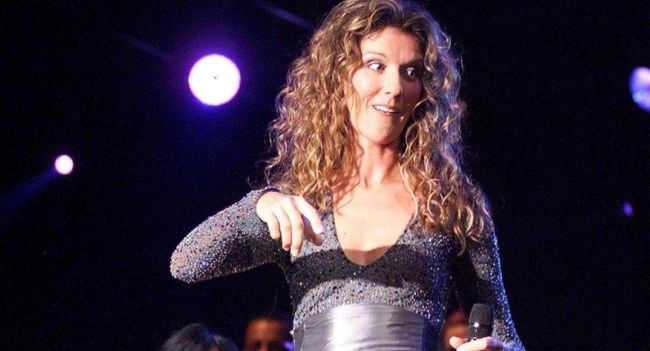
It was meant to be another flawless night in the extraordinary career of Celine Dion — a grand stage, a full orchestra, and a voice that has defined love songs for generations.
The arena was packed. More than 20,000 fans filled the seats, waiting for the next soaring ballad. The lights glowed warmly against the polished instruments. Every cue was timed. Every note rehearsed.
But what unfolded that evening was not written in any program.

Near the front of the stage stood a small boy — just six years old. Quiet. Fragile. Resting gently against his chest was a visible heart support device, a reminder of the medical battle he was fighting while waiting for a transplant. He wasn’t demanding attention. He wasn’t asking for sympathy.
He simply wanted a moment.
Between songs, in a pause that might normally last only seconds, he looked up and called out softly:
“Celine… can I sing with you just once?”
In concerts of this scale, interruptions rarely change the course of a show. The orchestra continues. Security intervenes. The music moves on.
But this time, it didn’t.
Dion noticed.
Instead of turning back toward the conductor, she lifted her hand. The orchestra fell silent. The energy in the arena shifted from excitement to something deeper — stillness.
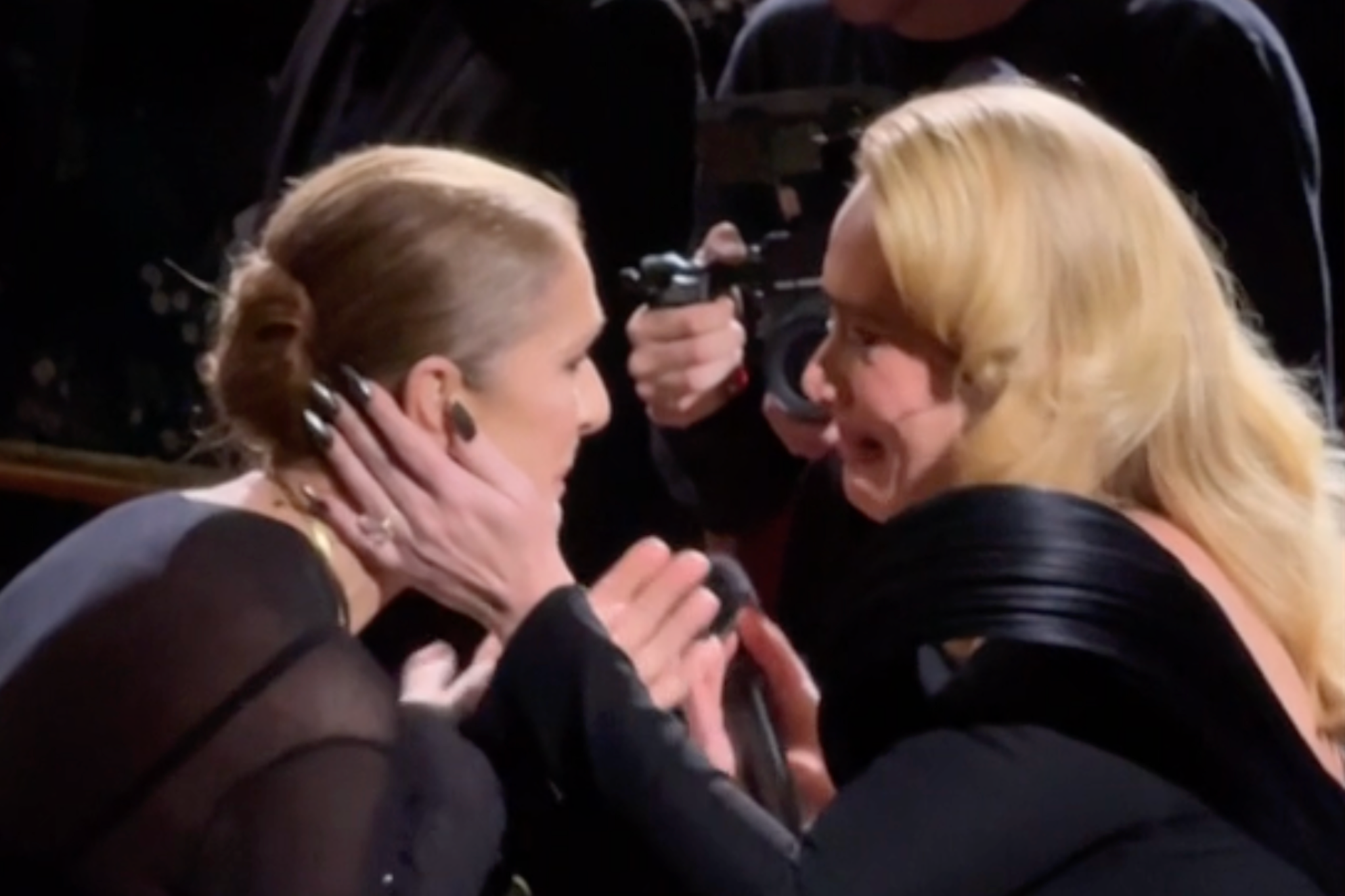
She walked to the edge of the stage and carefully knelt down, her gown pooling around her. Leaning close to hear the child’s trembling voice, she smiled gently.
“Tonight, my sweet angel… we sing together.”
There was no rehearsal. No discussion of key or tempo. Just a legendary vocalist and a child sharing a microphone.
When the music began again, it was softer. The boy’s voice came first — uncertain, delicate. Dion instinctively adjusted, lowering her power, shaping the melody around his tone instead of overpowering it. The orchestra followed her lead, playing gently, as though protecting the moment rather than amplifying it.
It wasn’t technically perfect.
It didn’t need to be.
Inside the arena, something extraordinary happened. Twenty thousand people stood completely still. Cheers stopped. Phones lowered. Conversations disappeared. Some fans wiped away tears. Others simply watched, overwhelmed by the vulnerability unfolding before them.
Live shows often thrive on spectacle.
But sometimes their most powerful moments are built on silence.
That night, silence spoke louder than any standing ovation.
Dion’s career spans decades — sold-out tours, historic residencies, global hits that defined eras. Yet moments like this reveal something deeper than vocal excellence. They reveal heart.
She didn’t see an interruption. She saw a child asking to be heard.
And she listened.
The duet lasted only minutes. But its emotional impact felt larger than any power ballad. The boy wasn’t trying to impress anyone. He simply wanted to sing. Dion wasn’t trying to create a headline. She simply responded with compassion.
Together, they created something unforgettable — a shared moment of courage, vulnerability, and connection.
Years from now, many fans may remember that evening not for the setlist, but for the pause.
The night the orchestra stopped.

The moment a fragile voice joined a legendary one.
The evening when 20,000 people forgot to breathe.
Because sometimes, legacies are not defined only by achievements — but by humanity.
And that night, Celine Dion didn’t just perform.
She paused. She listened. She knelt beside a child who wanted to sing.
And in doing so, she turned a concert into something even greater than music.