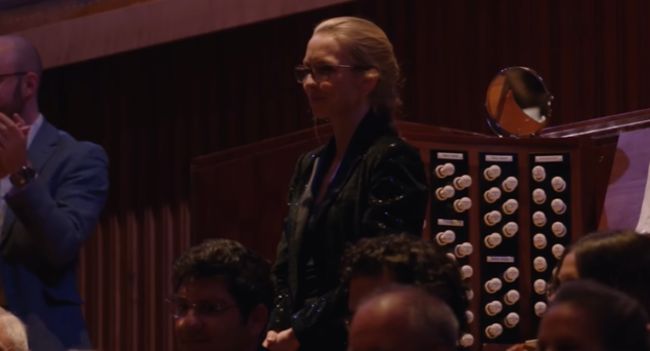
Anna Lapwood Brought Saint-Saëns’ “Organ Symphony” to Life in a Performance That Felt Truly Monumental
There are few moments in classical music more eagerly anticipated than the entrance of the organ in Camille Saint-Saëns’ Symphony No. 3, affectionately known around the world as the “Organ Symphony.”
It is one of those rare masterpieces where the instrument does not merely accompany the orchestra.
It transforms it.
And when Anna Lapwood took her place for this unforgettable performance, she reminded everyone exactly why the work remains one of the greatest triumphs in orchestral history.

For much of the symphony, listeners are carried through Saint-Saëns’ brilliant orchestral writing. Strings shimmer with elegance, woodwinds paint delicate colours, and brass gradually build the musical tension.
The organ waits patiently.
Almost silently.
That anticipation is part of the magic.
Then comes the moment everyone has been waiting for.
Anna’s first chords emerge with breathtaking authority.
The sound doesn’t simply enter the music.
It seems to expand the entire concert hall.
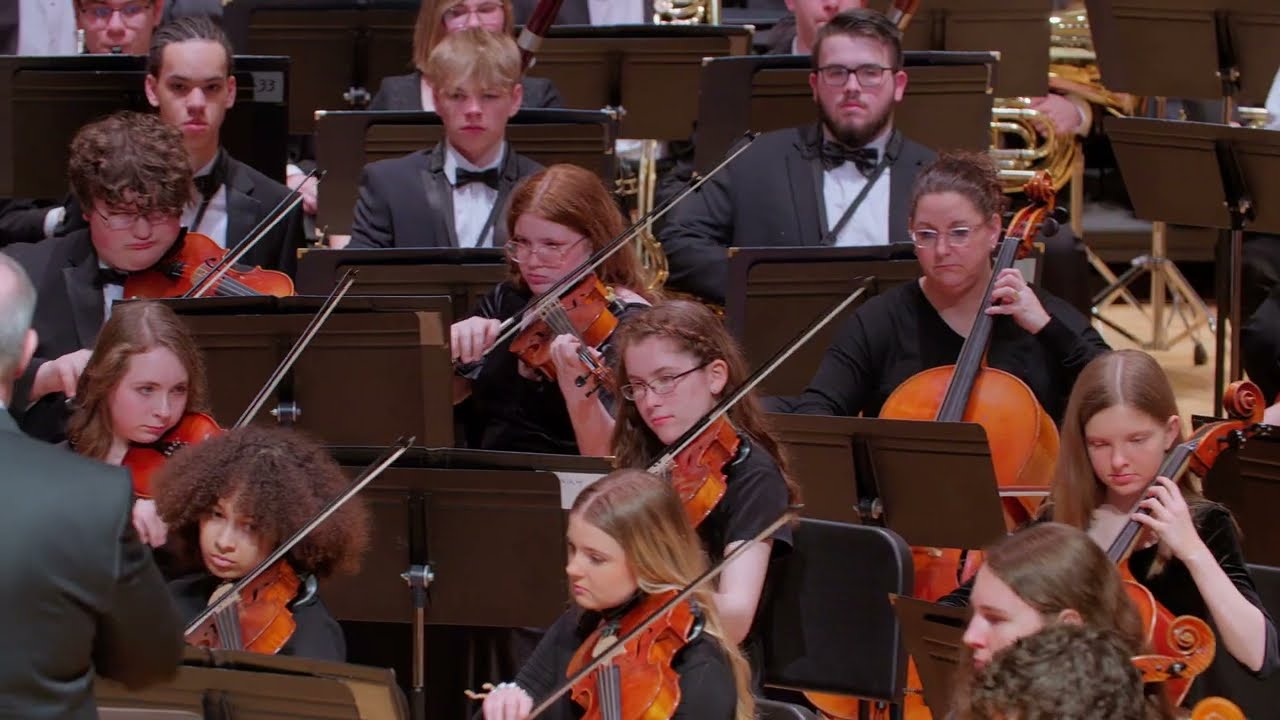
The orchestra suddenly feels larger, richer, more powerful, as though another dimension has opened inside the score.
It is impossible not to feel the impact.
Watching Anna Lapwood perform this masterpiece is equally fascinating.
She never treats the organ as an instrument of sheer volume.
Instead, she shapes every phrase with remarkable sensitivity, allowing its immense power to serve the music rather than overwhelm it.
That balance is one of the qualities that has made her one of the most admired organists of her generation.
There is tremendous technical brilliance on display.
Rapid manual changes.
Constant movement across the pedalboard.
Perfect coordination with the conductor and orchestra.
Yet none of those challenges ever become the focus.
What audiences remember is the emotion.
Anna understands that Saint-Saëns wrote this symphony not simply to astonish listeners with the organ’s grandeur, but to create moments of overwhelming beauty.
Every crescendo feels earned.
Every quiet passage feels intimate.
Every triumphant climax carries genuine emotional weight.
The relationship between soloist and orchestra becomes one of complete trust.
Rather than competing for attention, Anna and the musicians breathe together, shaping the music as one unified voice.
That collaboration elevates the performance beyond technical excellence.
It becomes storytelling.
One of the most extraordinary aspects of the “Organ Symphony” is how timeless it feels.
Written in the nineteenth century, it still possesses the emotional power to captivate modern audiences.
Artists like Anna Lapwood ensure that timelessness continues.
She approaches the score with enormous respect while bringing her own unmistakable warmth and energy to every performance.
As the magnificent final movement reached its glorious conclusion, the hall seemed almost unable to contain the sound.
The famous closing pages erupted with dazzling brilliance, the organ and orchestra combining in one final celebration that left listeners completely overwhelmed.
When the final chord faded into silence, the audience rose almost immediately.
The standing ovation recognised more than a remarkable interpretation of a beloved masterpiece.
It celebrated an artist capable of revealing new beauty inside one of classical music’s greatest works.
Saint-Saëns gave the organ one of its most iconic moments.
Anna Lapwood reminded us why that moment still leaves audiences speechless more than a century later.
Some performances are remembered.
Others become part of the music’s history.
This felt very much like the latter.