
Florida Man Won’t Face Charges After Fatal Shooting of 15-Year-Old Searching for Lost Phone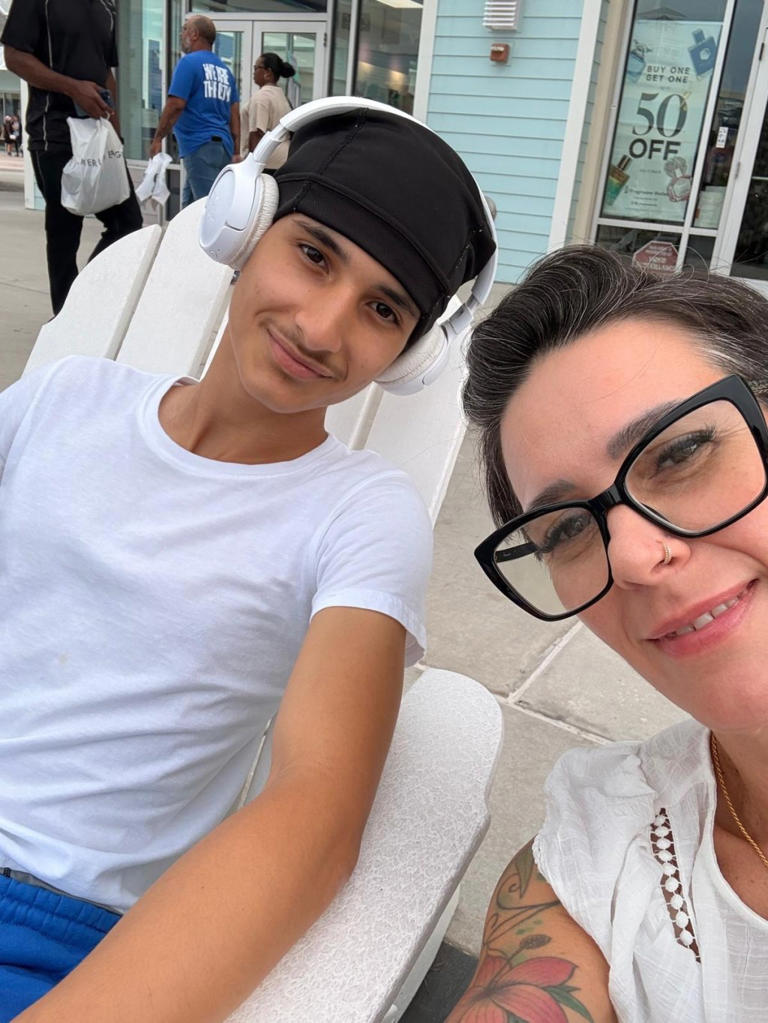
A Florida man who fatally shot a 15-year-old boy during a confrontation at a gated Tampa apartment complex will not face criminal charges after prosecutors concluded they could not disprove his claim of self-defense.
Heitor Amaral, a high-school freshman, died on September 20 after he and two friends entered the community while trying to locate his missing cellphone.
Following a review of the evidence, Tampa police presented the investigation to the state attorney’s office. Prosecutors determined there was insufficient evidence to refute the resident’s account that he fired because he feared for his life.
The decision is being challenged by people close to Heitor, who dispute a crucial part of the account authorities relied upon.
A Missing Phone Led the Teens to the Complex
Heitor had lost his cellphone earlier that day and joined two friends in trying to find it using the device’s location-tracking technology.
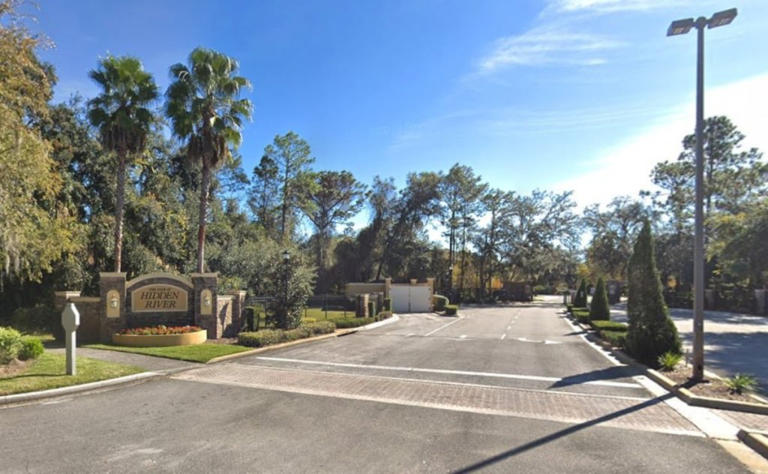
The signal led them to an apartment complex on River Willow Place.
Police said the teenagers entered through an open gate and initially left their truck in a roadway. After being asked to move it, they began going door-to-door looking for information about the phone.
At one residence, nobody answered.
Authorities said the teens then entered an enclosed rear patio and knocked on a glass sliding door.
That is when the encounter escalated.
Resident Said He Feared for His Life
According to police, the resident — an unidentified man in his mid-20s — put on a mask and armed himself in an effort to scare the teenagers away.
Two of the teens fled.
Investigators said a physical confrontation then occurred between Heitor and the resident. The man told authorities that the 15-year-old put him in a headlock, causing him to fear for his life.
He fired once, according to police.
Heitor was critically wounded and died at the scene.
After reviewing the investigation, prosecutors concluded they would not be able to disprove the resident’s self-defense claim. As a result, authorities said no criminal charges would be filed.
Another Teen’s Mother Disputes the Account

The official version of events has been challenged by Yessenia Gonzalez, whose 16-year-old son Julio was with Heitor that day.
Gonzalez said her son told her there had been no physical fight before the shooting and that the teenagers were running away.
She also stressed that the teens were not armed.
According to Gonzalez, her son was frightened not only by the firearm but also by seeing the masked resident emerge during the confrontation.
Her account differs sharply from the resident’s claim that Heitor had placed him in a headlock.
Family Remembers a 15-Year-Old Who Had Just Started High School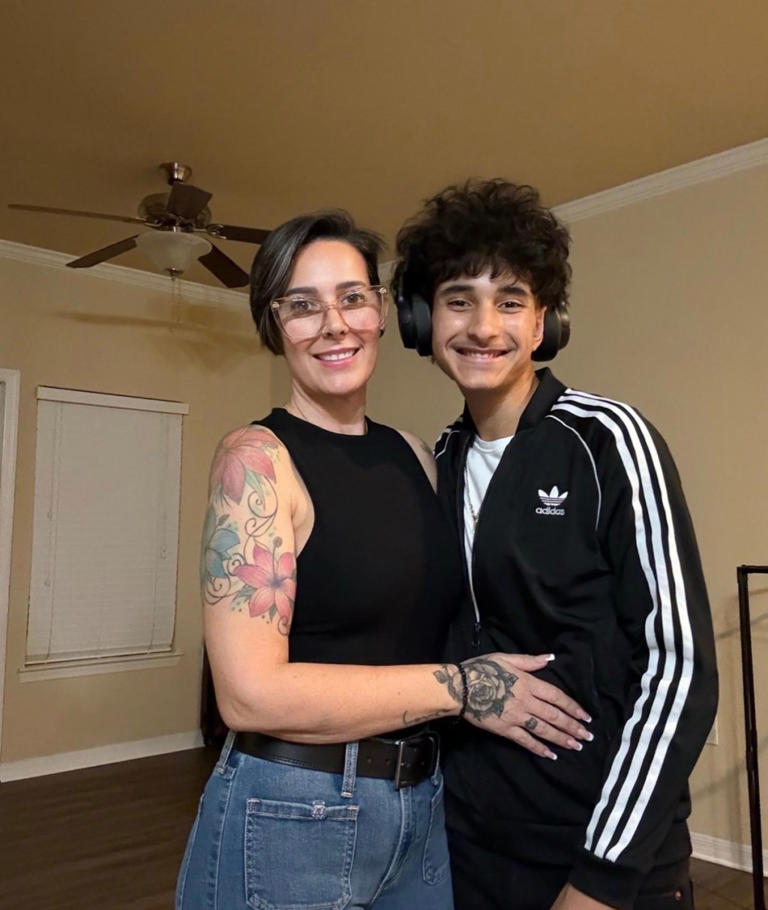
Police did not initially publicly identify the teenager, but his sister, Maysa Amaral, confirmed that Heitor was the boy who died.
He had only recently begun his freshman year of high school.
His family described him as the youngest of three siblings, a caring teenager who completed his chores, enjoyed video games and loved riding an electric bike his father had given him.
Maysa also rejected the suggestion that her younger brother was someone who would deliberately start a fight.
She has launched a fundraiser to help cover funeral expenses and assist the family in hiring an attorney.
For Heitor’s family, the authorities’ decision not to bring charges does not end the dispute over what happened that day. At the heart of it remain two sharply conflicting accounts of the final confrontation — one that prosecutors determined they could not resolve in a way that would overcome the resident’s claim of self-defense.