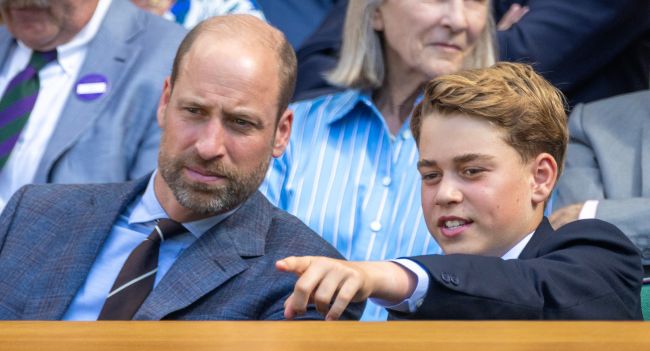
Why Prince William and Kate Chose Eton for Prince George — The Real Reason May Be Far More Personal Than Tradition
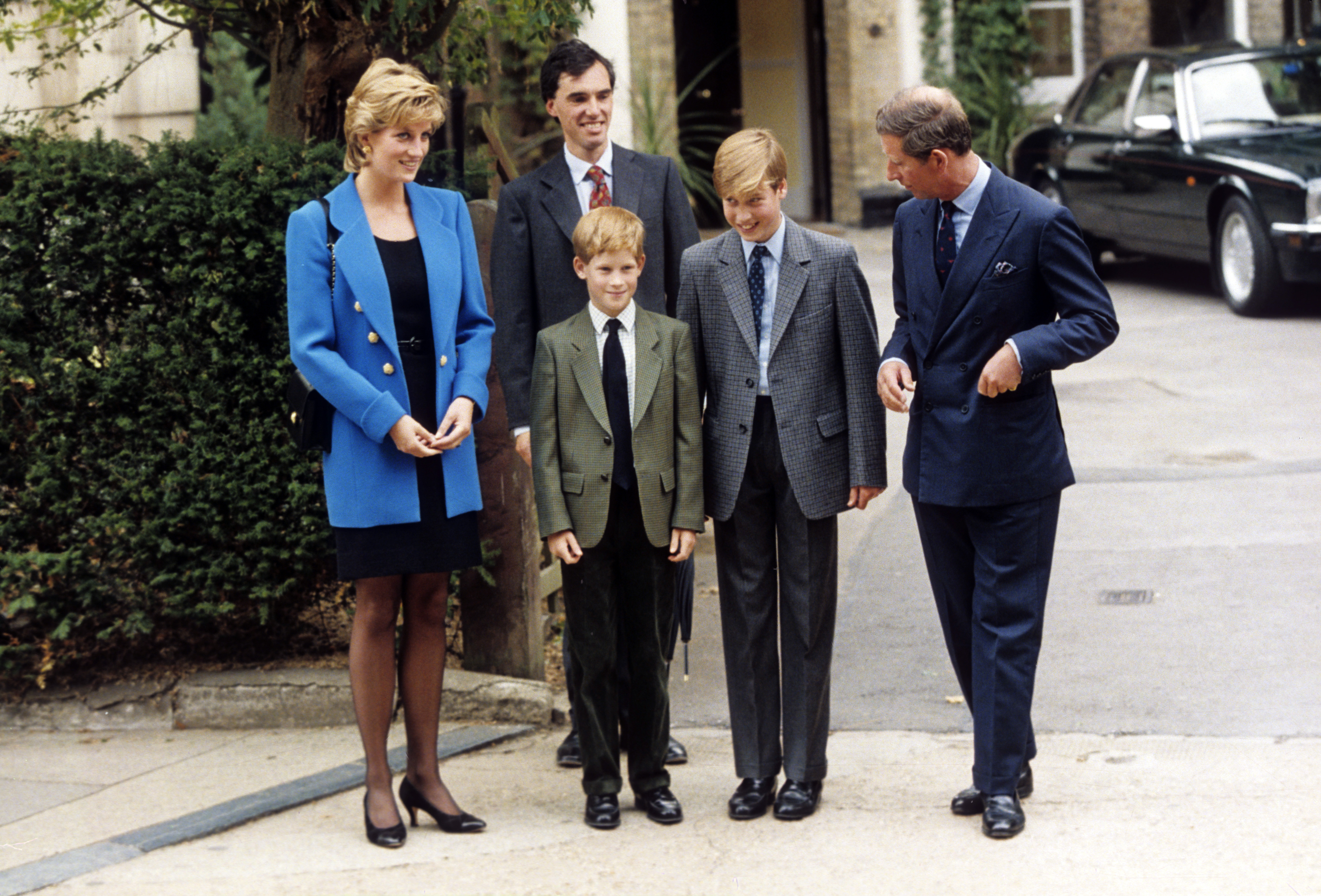
EXCLUSIVE ANALYSIS: For Prince George, Eton may offer something almost impossible to find elsewhere — a chance to grow up as a teenager first and a future King second.
When Prince George begins his studies at Eton College in September 2026, many will see the decision as an obvious royal tradition.
His father, Prince William, attended the prestigious school from 1995, followed shortly afterward by Prince Harry. So it might seem natural that George, now 13 and second in line to the throne, is simply following the same path.
But that explanation misses something important.
Eton is not actually an ancient royal tradition.
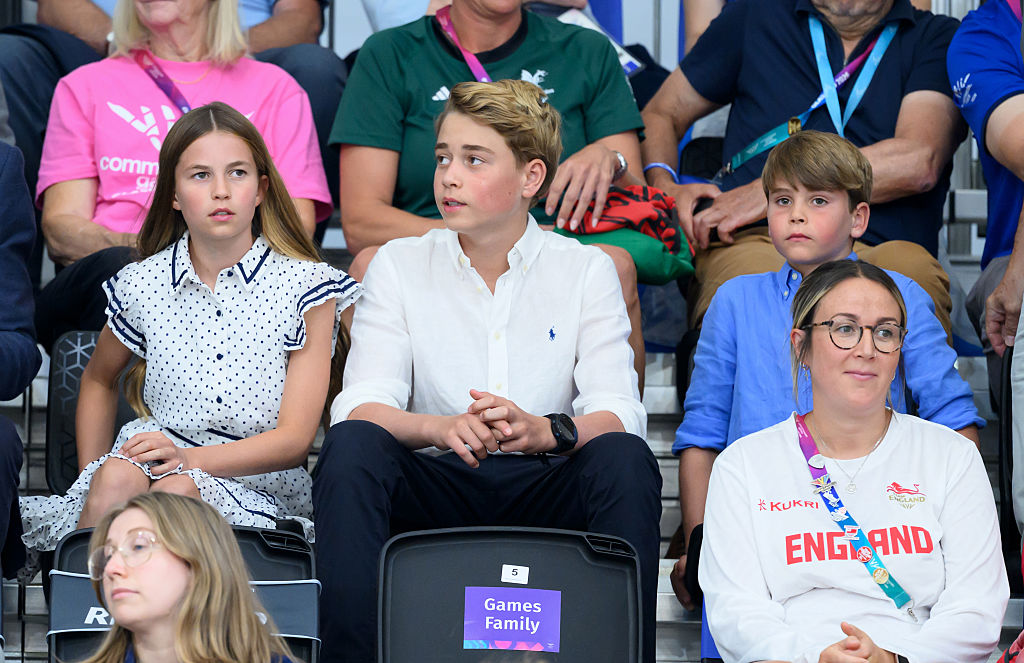
William was the first senior member of the Royal Family to attend the Berkshire school. Before him, both King Charles III and his father, Prince Philip, were educated at Gordonstoun in Scotland.
That means George is not following generations of monarchs to Eton. He is following a choice made by his father just one generation earlier.
And that distinction could be crucial.
Rather than choosing Eton because it is where future Kings are traditionally educated, William and Catherine may have chosen it because William already knows exactly what the school can offer a boy growing up under extraordinary public scrutiny.
A future King who needs to feel like an ordinary boy
There is an unusual challenge at the heart of George’s childhood.
He must eventually be prepared to become King, yet his parents also have to give him as much of a normal childhood as possible.
George cannot simply walk into a classroom unnoticed. Adults know who he is. Other parents know who he is. His teachers and classmates will inevitably be aware that the boy sitting beside them is destined, barring an unexpected change in circumstances, to become Britain’s monarch.
Even an ordinary teenage experience therefore comes with an extraordinary layer of attention.
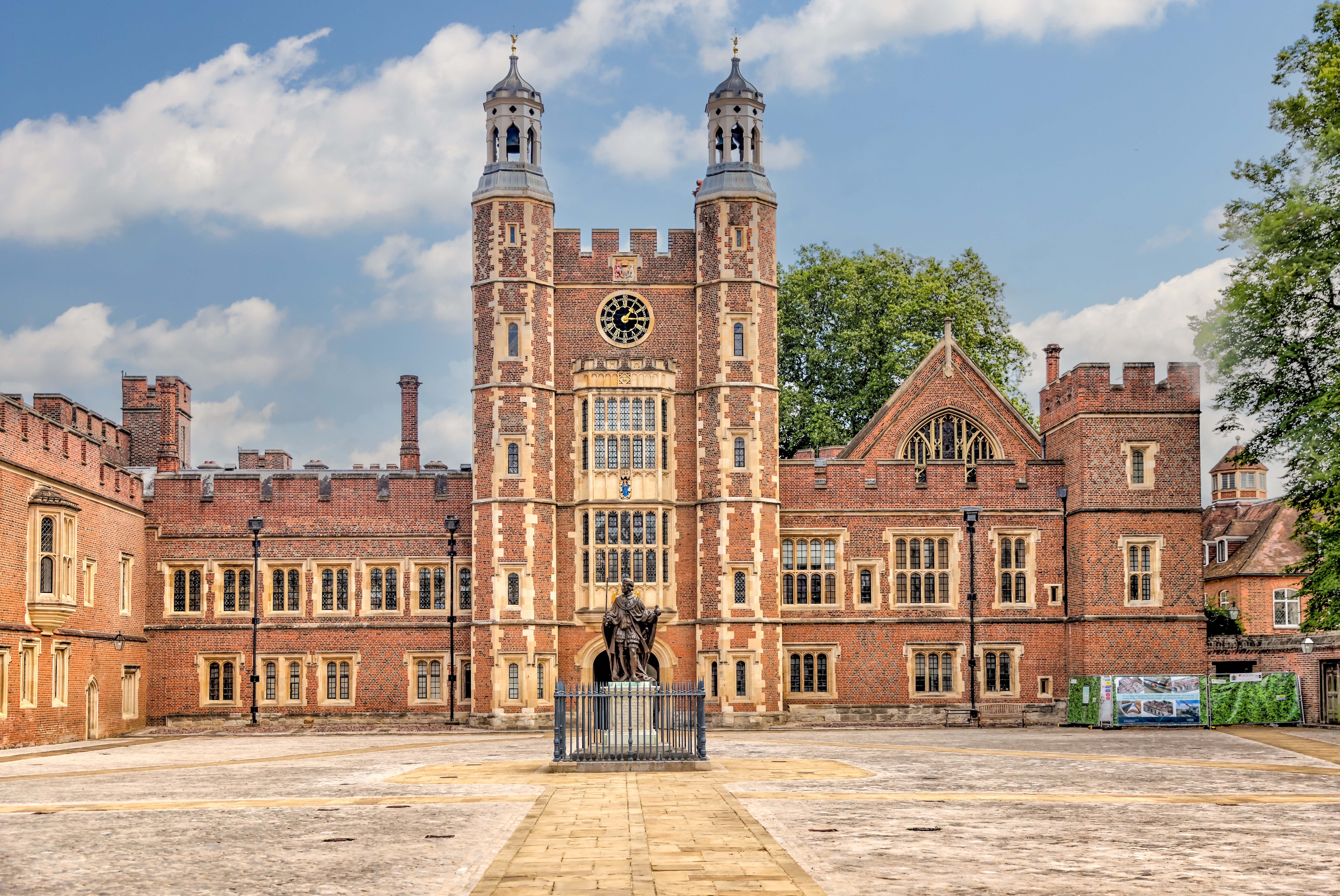
That is where Eton may provide an unexpected advantage.
The school is already accustomed to privilege, famous families, political connections, aristocratic backgrounds and considerable wealth. For most pupils, being an Etonian is itself a marker of distinction.
For George, however, the environment could have almost the opposite effect.
He would still be the future King, but he would be entering a community where exceptional backgrounds are not themselves exceptional.
In other words, Eton could be one of the few places where George’s royal status does not have to be the most remarkable thing about him.
That may be precisely what William wants for his eldest son.
William has already experienced it himself
Perhaps nobody understands that better than the Prince of Wales.
William arrived at Eton in 1995 already one of the most recognisable teenagers in Britain. His family life was under enormous scrutiny, while his parents’ troubled marriage was attracting relentless public and media attention.
Yet his years at Eton provided a degree of separation from that world.
School could become somewhere William was able to concentrate on his education and experience life as another pupil rather than constantly being treated as a future monarch.
Reports from the end of his time at Eton highlighted the importance he placed on having some protection from relentless media attention.
That personal experience may now be influencing the decision being made for George.
William knows what it is like to arrive at Eton knowing that an entire country is watching you. He knows the pressures that come with being a future King and, importantly, he knows what the school environment can do to soften those pressures.
So George’s choice of Eton may be less about nostalgia and more about William applying a lesson from his own childhood.
A room where privilege is already normal
There is another subtle advantage.
If George were placed in a completely ordinary social environment, his presence could dramatically alter the atmosphere around him. Teachers might become unusually conscious of the fact that they were teaching the future monarch. Other pupils could struggle to treat him simply as another friend.
Eton presents a different scenario.
The school has educated prime ministers, aristocrats, actors and generations of pupils from influential British and international families. Its pupils already come from a wide range of prominent social backgrounds.
For George, that could make his own status less overwhelming.
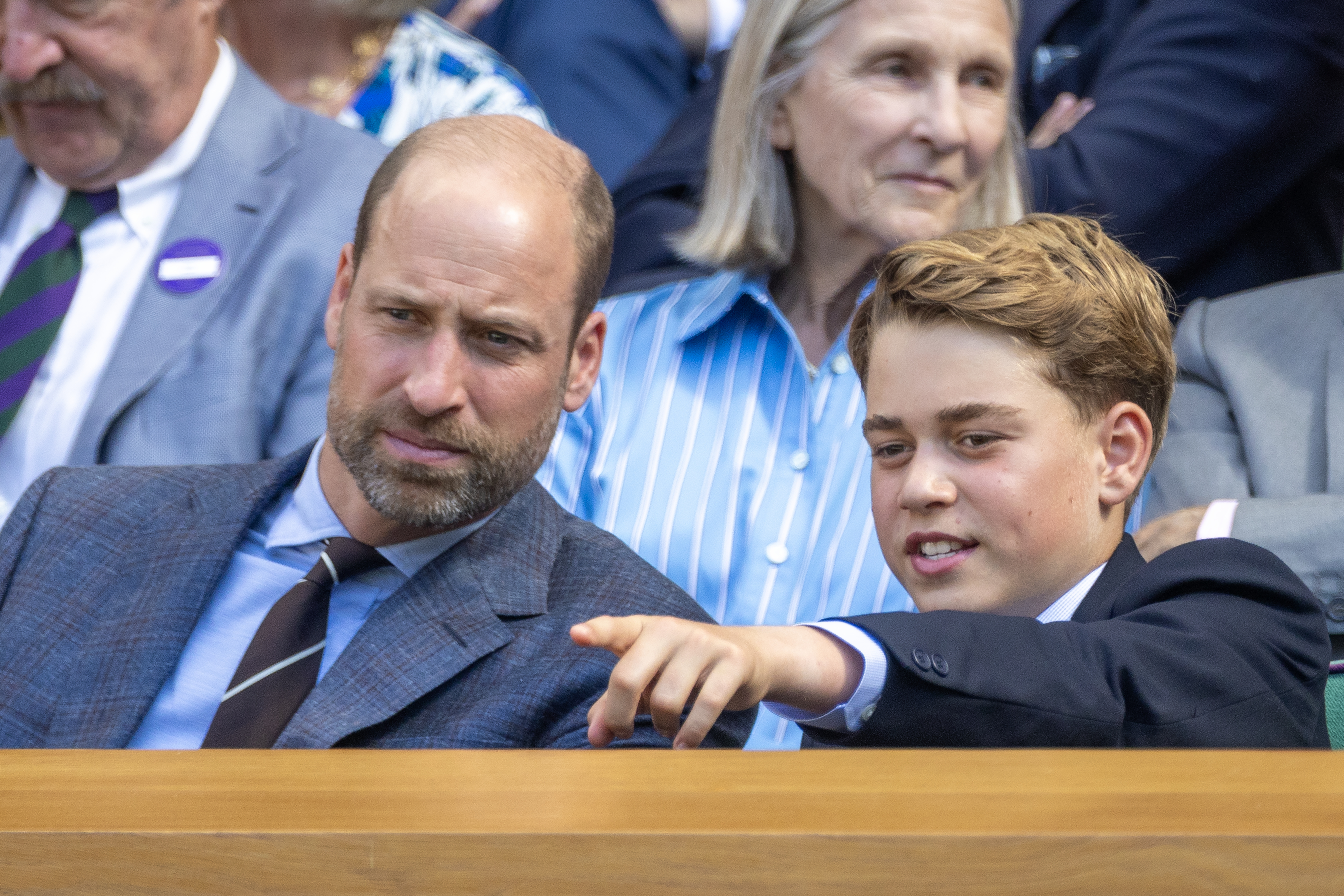
He would not need to forget that he is a Prince. Instead, he could have the opportunity to be known for something else — his personality, interests, friendships, sporting abilities or shared experiences with his classmates.
That distinction could matter enormously during his teenage years.
The goal would not be to hide George’s identity.
It would be to ensure that his identity is not the only thing people see.
Eton’s institutional memory could matter too
There is also a practical reason for the choice that should not be overlooked.
Eton already understands what is involved in educating someone destined for the British throne.
The school has previously dealt with the unusual demands surrounding a future monarch — including security, privacy and the intense attention that comes with educating a member of the Royal Family.
That gives William and Catherine something other schools cannot offer as easily: institutional experience.
William does not have to imagine what life at Eton might be like for a future King.
He has lived it.
He knows the school’s culture, its routines and the realities of boarding there. He also understands the unique pressures that come with trying to live a relatively normal school life while carrying a future constitutional role.
For George, that familiarity could make the transition considerably easier.
Close to home, but still a step toward independence
Location is another factor.
Eton sits immediately beside Windsor, an important consideration for the Wales family as their life has increasingly centred around the area.
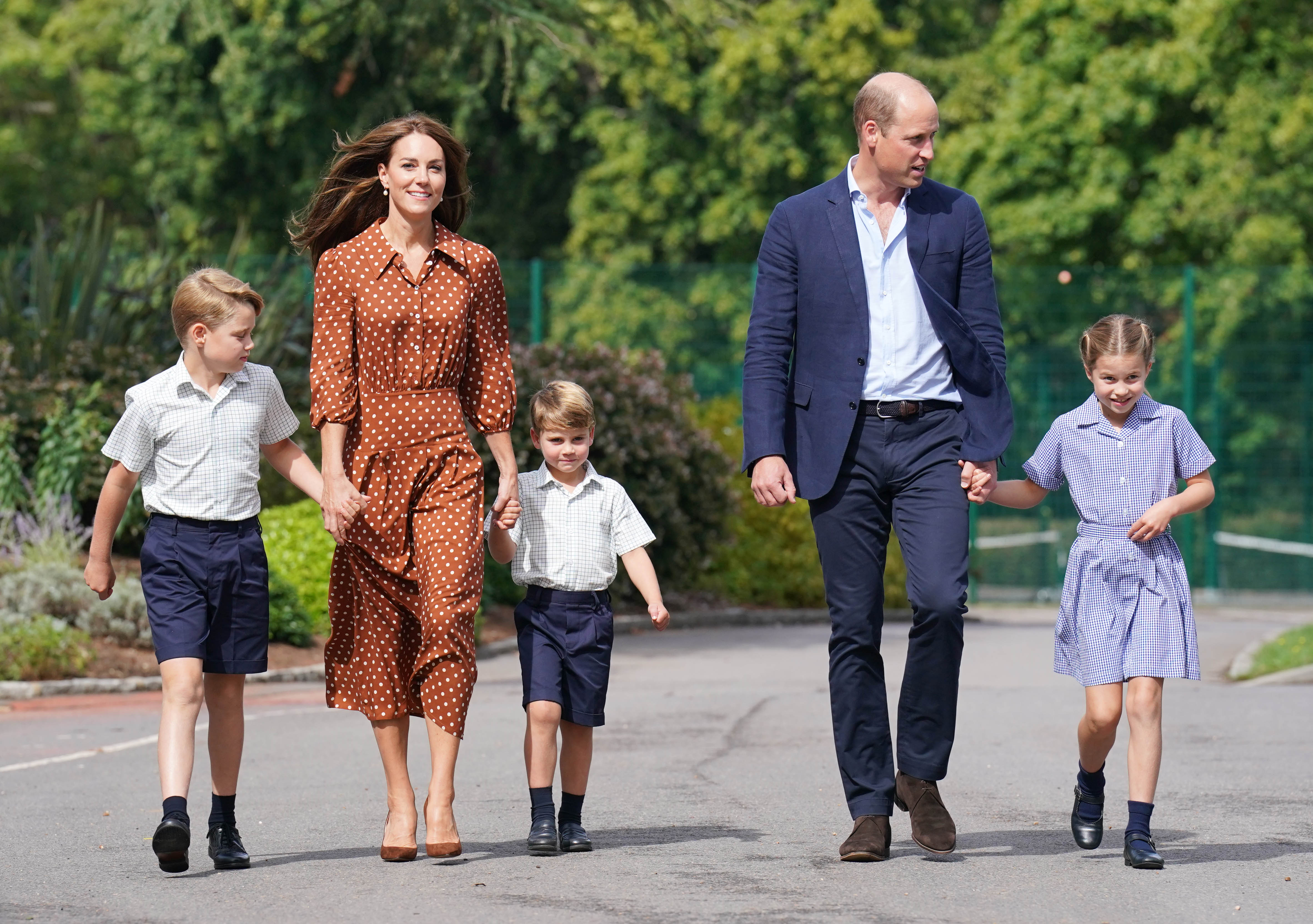
George and his younger siblings, Princess Charlotte and Prince Louis, previously attended Lambrook near Ascot. Eton allows George to take the next step toward the independence associated with boarding school without being sent hundreds of miles away from his family.
That proximity gives William and Catherine the opportunity to remain closely involved.
They can potentially attend sporting fixtures, school performances and important events while George develops a greater degree of independence.
For an ordinary teenager, that balance would already be valuable.
For the future King, whose life will inevitably involve additional security and public scrutiny, it could be even more important.
George can have a world beyond his family while still remaining physically close to them.
The choice may say more about William than royal tradition
Viewed through the lens of royal history, George’s education at Eton looks like another example of tradition being passed from father to son.
But viewed through William’s personal experience, the decision looks very different.
Eton offers academic prestige, security, proximity to Windsor and a community accustomed to highly privileged backgrounds.
More importantly, it may provide George with something that his parents cannot create for him anywhere else: a form of social camouflage.
George can never truly be anonymous. His future has effectively been mapped out from birth, and his position means that the world will always know who he is.
But his parents can choose the environment in which he learns how to live with that reality.
And Eton may be unusually well equipped for that task.
Perhaps, then, William and Catherine are not sending George to Eton simply because William went there.
They may be sending him because William discovered something there that could prove even more valuable to his son: a place where a future King could, at least for a few years, simply be another boy at school.
For Prince George, that may be the most important lesson Eton has to offer.