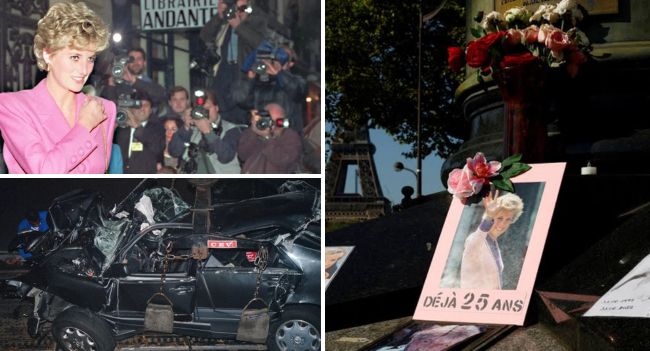
Princess Diana Could Have Survived Fatal Paris Crash with One Simple Decision, Investigator Claims
Nearly three decades after the catastrophic crash in Paris’s Pont de l’Alma tunnel, forensic investigators and crime reconstruction specialists emphasize that a single, overlooked choice could have saved Princess Diana’s life and fundamentally altered history.
The tragedy of August 31, 1997, which claimed the lives of the 36-year-old Princess of Wales, her companion Dodi Fayed, and driver Henri Paul, is receiving a thorough re-examination in the FOX special Celebrity Crime Scene: Princess Diana. Using modern digital recreation technology, investigative crime journalist Jakson Buhaj, British forensic psychologist Kerry Daynes, and former U.S. Secret Service agent Rich Staropoli revisit the forensic evidence to break down what truly happened that fateful night.
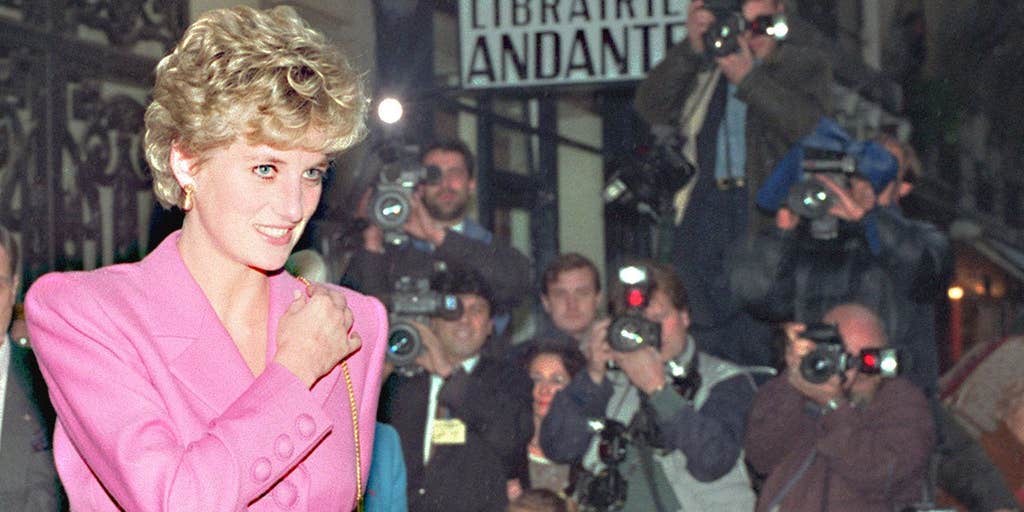
1. The Forgotten Seat Belt: A Life-Saving Difference
The most haunting detail highlighted by investigators is that not a single passenger inside the Mercedes-Benz S280 was wearing a seat belt when the car sped through the tunnel.
-
Debunking the Bodyguard Myth: For years, public perception suggested that bodyguard Trevor Rees-Jones survived because he had buckled up. However, the official British Metropolitan Police inquiry (Operation Paget) confirmed that none of the four occupants wore a seat belt at the moment of impact.
-
Diana’s Potential Survival: Investigative journalist Jakson Buhaj noted that while the sheer force of the frontal impact made survival unlikely for Henri Paul and Dodi Fayed, wearing a seat belt could have saved Diana:“What I think is the most tragic thing about this is that had everyone been wearing their seat belt, unfortunately, Henri Paul and Dodi Fayed probably would’ve passed away, but Diana most likely still would’ve been with us. … There is a whole other timeline out there where a seat belt could have saved Princess Diana.”
2. A Fatal Chain of Decisions Leading to Disaster
Beyond the unfastened seat belts, several critical factors combined to create a lethal outcome before the vehicle even left the Ritz Hotel:
-
An Impaired Driver: Henri Paul, who was off duty that evening before being called back to drive, had a blood alcohol level more than three times the legal French limit.
-
Taunting the Paparazzi: Before accelerating in an attempt to outrun the photographers on motorbikes, Paul told the paparazzi, “You won’t catch up with us.”
-
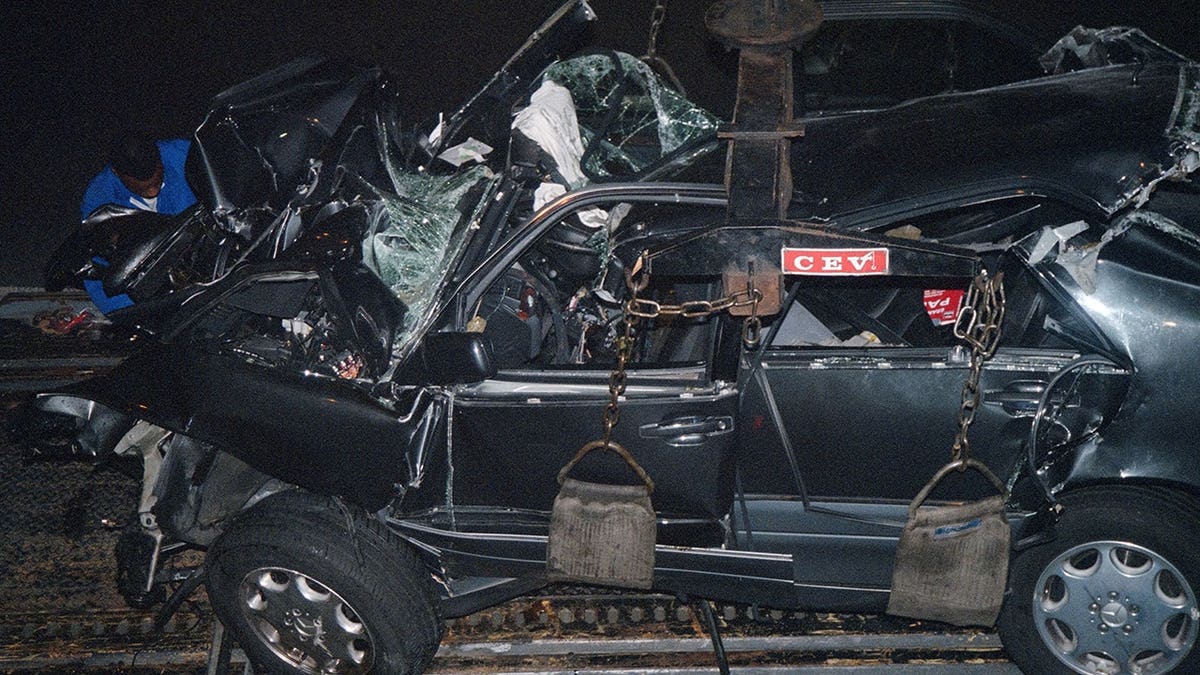
The High-Speed Impact: Shortly after midnight, the Mercedes crashed into the 13th concrete pillar of the Pont de l’Alma underpass, rebounded off the tunnel wall, and came to a halt with catastrophic front-end damage.
3. Emergency Response Time and Pre-Crash Paranoia
Investigators also examined the one-hour-and-40-minute gap between the moment of the crash and Diana’s arrival at the hospital:
-
French Trauma Protocol: French emergency personnel followed a protocol emphasizing on-site stabilization before transport. Diana had to be carefully extricated from the mangled wreckage and suffered cardiac arrest before being moved to an ambulance, which had to travel slowly to manage her dropping blood pressure.
-
Fatal Internal Injuries: At the hospital, surgical teams discovered a ruptured pulmonary vein and severe internal hemorrhaging. Despite extensive resuscitation efforts, Diana was pronounced dead at 4:00 AM.
-
Persistent Security Fears: In her final years, Diana frequently expressed deep anxiety over her physical safety, fearing phone tapping and writing a private note predicting a staged car crash. While Operation Paget ultimately found no evidence of foul play or conspiracy, her profound isolation and strained relationships cast a long shadow over her final months.
Despite decades of theories and forensic scrutiny, investigators agree that Diana’s legacy remains untouchable. Her groundbreaking empathy, hands-on humanitarian work, and refusal to conform to rigid royal protocol ensure she endures globally as the true “People’s Princess.”