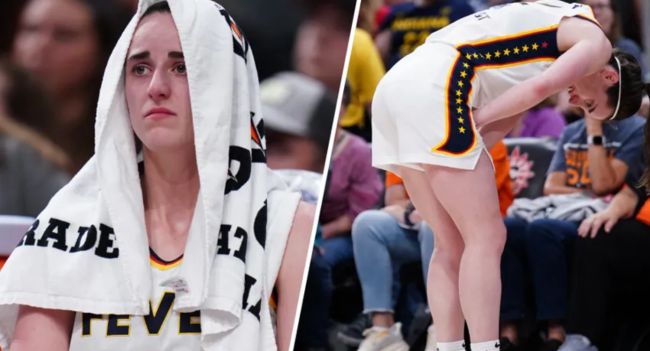

Caitlin Clark’s latest injury has reignited one of the biggest conversations surrounding the WNBA, but this time the warning is coming from a medical expert.
Former Philadelphia 76ers orthopedic consultant Dr. Nicholas DiNubile believes the repeated physical contact Clark has absorbed since entering the league has reached a point where the consequences could become far more serious than a missed game or a sore back.
His comments come just days after Clark suffered a blow to the throat during Indiana Fever’s game against the Phoenix Mercury, a play involving Alyssa Thomas that officials failed to call a foul on during live action. After reviewing the incident, the WNBA upgraded it to a Flagrant Foul 2 and suspended Thomas for one game.
For DiNubile, however, the concern goes beyond one controversial play.
“The type of contact and the amount of contact that she gets is concerning to me. It’s troubling to me,” he told Fox News Digital.
A throat injury can become life-threatening. The former NBA physician was particularly alarmed by the contact to Clark’s throat. According to DiNubile, it does not require extraordinary force to create a medical emergency.
“You can crush someone’s larynx with very little pressure,” he explained, warning that even 10 to 20 pounds of force can damage the throat or larynx. Swelling or internal bleeding, he added, can rapidly block the airway and create a life-threatening situation if immediate treatment is not available.
The concern is no longer just hard fouls
While Clark avoided that outcome, DiNubile believes the incident should serve as a wake-up call. The doctor stressed that the throat incident is only one example of a broader pattern.
He pointed to repeated blows to Clark’s face, contact to her head, eye pokes and defenders invading her landing space on jump shots, all of which increase the risk of concussions, facial injuries and dangerous falls.
“Just getting hit on the head… concussions, any variety of things like that. Then you fall to the floor and anything can happen,” DiNubile said. “It’s just not good and not necessary.”
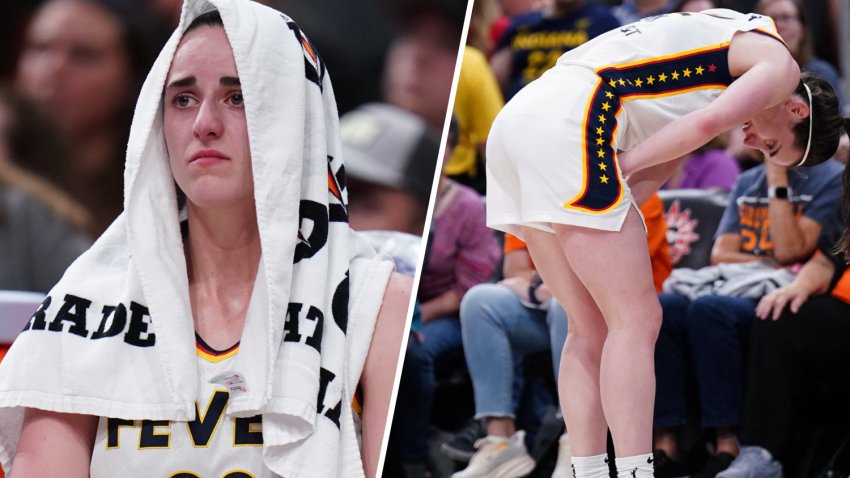
Fox News Digital also noted that Clark has been involved in at least 13 controversial contact incidents since the start of her rookie season, including multiple pokes to the eye and the ruptured eardrum she previously revealed she suffered.
Perhaps DiNubile’s strongest statement was directed not at Clark, but at the league itself. Asked whether the Fever star could do anything differently to protect herself, his answer was simple.
“I don’t think there’s anything she can do.” Instead, he argued that responsibility falls on the officials. “I think they should be calling things. They can officiate better… how do they miss this?” he said, suggesting that consistent officiating is the best way to prevent a more serious injury in the future.
After receiving a one-game suspension, Alyssa Thomas said she and her family had been subjected to threats and online abuse, criticizing what she viewed as a lack of public support from the league during the backlash.
Commissioner Cathy Engelbert later condemned the harassment and reiterated that the safety and well-being of everyone in the WNBA community remains the league’s top priority.
Indiana Fever head coach Stephanie White also urged fans not to cross the line. “I think as a league, as a whole, there’s been so much more toxicity, racism, homophobia, straight-out nonsense… it is absolutely unacceptable,” White said. “If you are one of these people that are online doing this, do not call yourself a WNBA fan.”
Clark herself has also tried to shift attention back to basketball. Speaking publicly after the controversy, she acknowledged the need for better officiating and player protection while calling for more respectful conversations surrounding everyone involved, rather than allowing each incident to fuel another cycle of hostility.
The doctor’s warning, however, leaves the league facing a difficult reality. For DiNubile, this is no longer simply a debate about physical basketball or hard fouls. It is about whether repeated missed calls and dangerous contact will eventually lead to an injury that no suspension can undo.