
In an era where younger generations view “love at first sight” or instant compatibility as absolute prerequisites for marriage, the enduring appeal of Sarah M. Eden’s historical romance novel Seeking Persephone offers a powerful, realistic counter-narrative. The story of the arranged marriage between Persephone and the guarded Duke of Kielder might seem like an outdated trope on the surface, but it actually contains invaluable, timeless lessons on how to navigate and sustain a healthy relationship in the modern world.

At the beginning of the novel, the reader is forced to confront a bleak reality. Persephone enters Kielder Castle not as a blushing, happy bride, but as a pawn in a marriage orchestrated entirely out of societal pressure and family duty. Facing her is Adam, a cynical, volatile man covered in physical and emotional scars, who wastes no time erecting icy boundaries to push her away. They begin their shared life from sub-zero—a bleak starting line defined by zero romance, zero mutual understanding, and most importantly, a complete absence of love.
Instead of turning their forced union into a toxic wasteland of bitter confrontations or passively playing the victim, both characters choose a far more mature path: radical boundary management. Despite his harsh demeanor, Adam never forces Persephone past her comfort zone, and Persephone, though intimidated, maintains a respectful distance while quietly observing her husband to understand his triggers. This represents a level of psychological maturity that many modern couples sorely lack, often under the guise of “love” to justify controlling behavior and invading their partner’s personal autonomy.
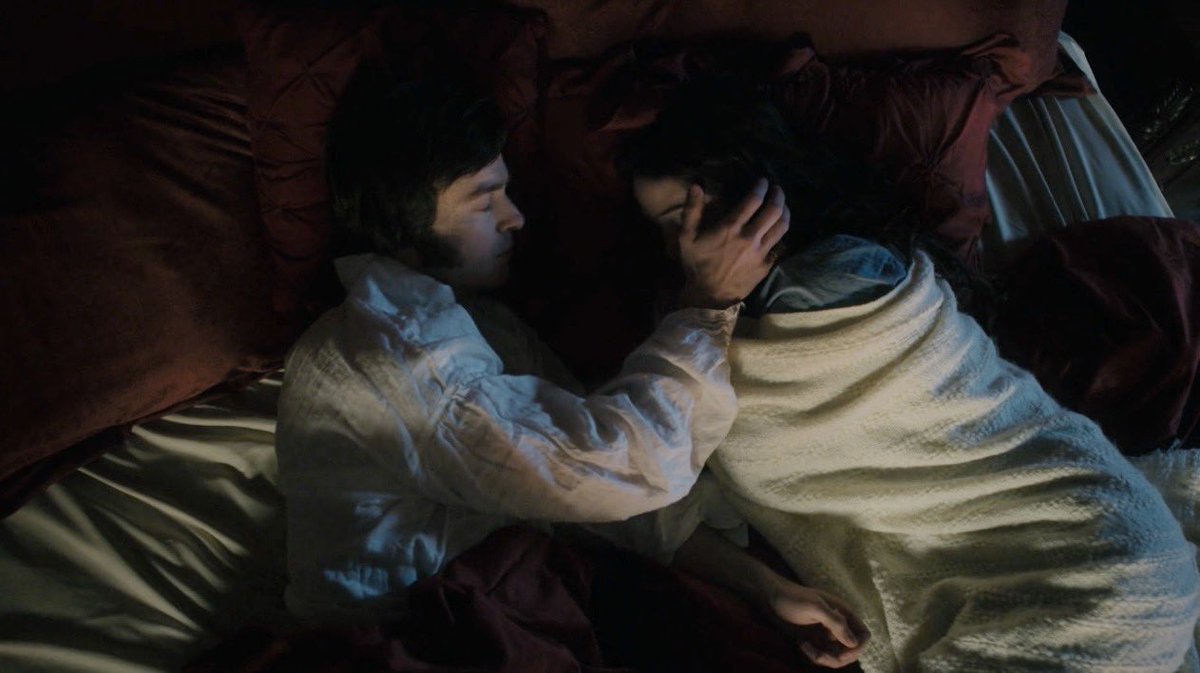
The true turning point that shifts the dynamic of their household is the art of direct communication paired with an unyielding commitment to responsibility. Persephone completely rejects the “silent treatment”—the invisible weapon killing thousands of modern marriages today. She speaks up when necessary, articulating her boundaries clearly without resorting to emotional attacks. On the flip side, Adam fulfills his duty to protect and provide for his wife, proving that the foundation of a lasting home must be anchored in personal responsibility long before romantic feelings enter the equation.
This journey from defensive strangers to an unbreakable team strikes a heavy blow against the hyper-romanticized view of marriage held by the twenty-first-century crowd. We currently live in a disposable “instant culture,” where people are quick to file for divorce or abandon a relationship the second the initial infatuation fades, or when a partner’s flaws inevitably come to light. Seeking Persephone serves as a stark reminder that true compatibility is not a shiny object waiting to be found; it is the hard-won result of a painful, mutual process of chipping away at one’s own ego.
When the wedding bells fade and real life begins, passion alone cannot pay the bills, navigate career stresses, or settle deep-seated disagreements on lifestyle choices. What keeps two people in the room when the fantasy breaks down is raw compassion, the patience to look at a partner’s cracks without judgment, and a stubborn will to build a future together. Love, in this realistic context, is no longer a lucky lottery ticket handed to you at the beginning; it is a luxury prize reserved exclusively for those brave enough to sacrifice, compromise, and invest in another human being over the long haul.

Furthermore, the novel brilliantly highlights the necessity of managing expectations within a partnership. Modern relationship anxiety often stems from the unrealistic burden we place on a single individual to be our lover, best friend, therapist, and career cheerleader all at once. By starting with a clean slate of zero expectations, Adam and Persephone are forced to discover each other dynamically, appreciating small kindnesses rather than mourning the absence of a pre-packaged fairytale. They teach us that a lasting bond is built brick by brick through daily micro-transactions of trust, rather than grand, sweeping cinematic gestures.
Ultimately, the ultimate takeaway of the story is a profound paradigm shift in how we define a “happy ending.” A successful marriage does not require a flawless, storybook beginning. As long as both individuals enter the commitment with absolute seriousness, possess the courage to drop their defensive masks, and view each other as lifelong co-captains, they can transform even the coldest psychological trap into their own thriving, warm oasis.