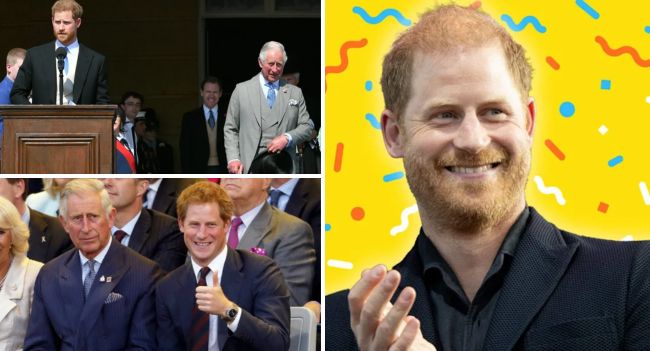
British Public Split on Whether King Charles Should Publicly Acknowledge Prince Harry’s 42nd Birthday

On the occasion of Prince Harry’s 42nd milestone on September 15, a nationwide survey launched by the Daily Express has captured the acute polarization surrounding modern British monarchy protocol: Should King Charles III issue a formal public birthday message to his estranged younger son across official royal communication channels?
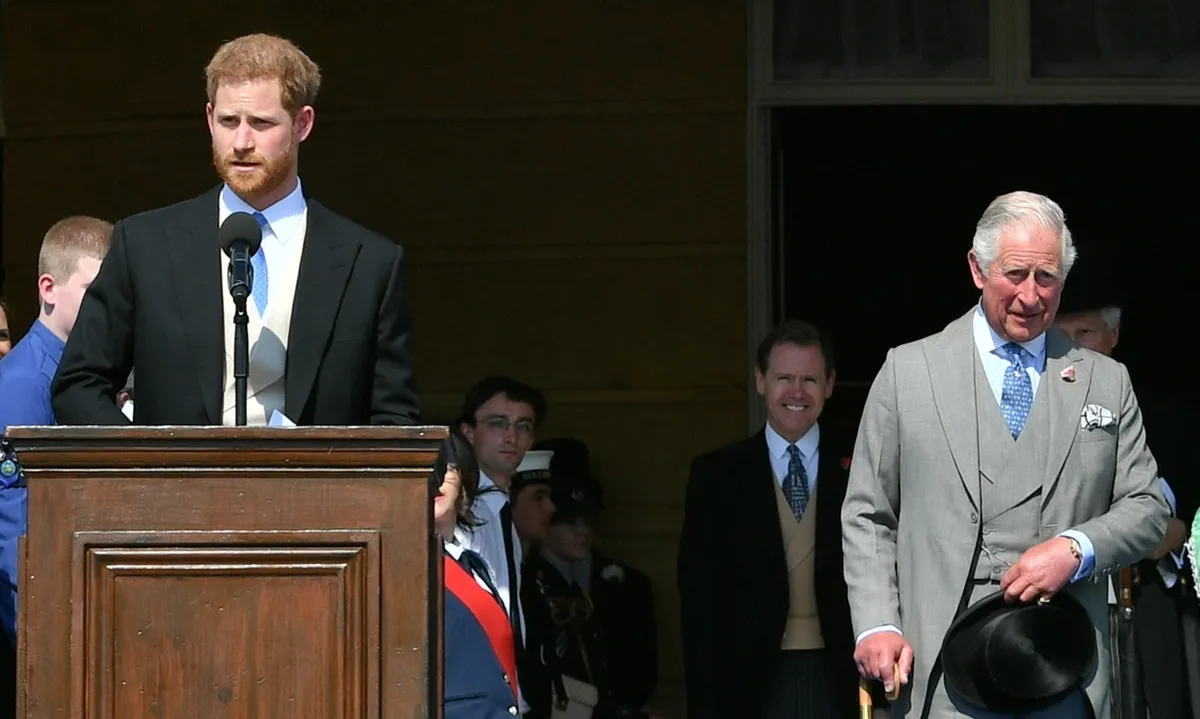
The inquiry arrives against the contentious backdrop of the Duke and Duchess of Sussex’s permanent return to Britain following a six-year domestic chapter in California. While the transatlantic physical barrier has dissolved, the fraternal and paternal rift remains magnified under intense international scrutiny, complicated by commercial entanglements, persistent security lawsuits, and fractured domestic trust.
The constitutional question divides observers across two fundamental perspectives:
-
The Paternal Reconciliation Argument: Proponents of an official acknowledgment maintain that private grievances should not extinguish foundational familial duty. Advocates argue that an overt gesture from the 77-year-old monarch would demonstrate magnanimity, validating to global observers that filial bonds transcend institutional disputes and signaling an open door for generational healing.
-
The Institutional Boundary Argument: Traditionalists strongly counter that sovereign communications must preserve strict institutional standards. Citing the profound damage inflicted by Harry’s 2023 memoir Spare and international media campaigns, opponents contend that a public birthday tribute to a nonworking royal blurs operational boundaries. In this view, maintaining strategic silence avoids triggering renewed tabloid debate and protects working royals who continue to shoulder official duties.
The debate is compounded by Buckingham Palace’s recent administrative maneuver. An official directive released by the Lord Chamberlain on behalf of King Charles reaffirmed that the Sussexes remain strictly private citizens, stripped of the right to utilize “HRH” styles or represent the Sovereign in public or philanthropic initiatives. Designed to preempt the establishment of an alternate, competing royal enterprise on British territory, this firm delineation underscores the complex tension facing the King: navigating the deeply personal love of a father while defending the unyielding authority of the Crown.