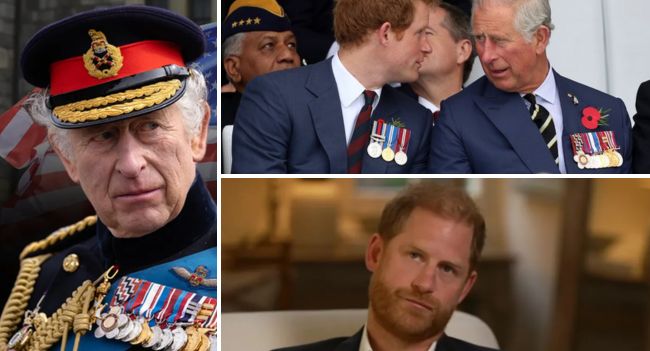
Prince Harry ‘Needs to Call the King and Explain Himself’ Following Sudden UK Relocation
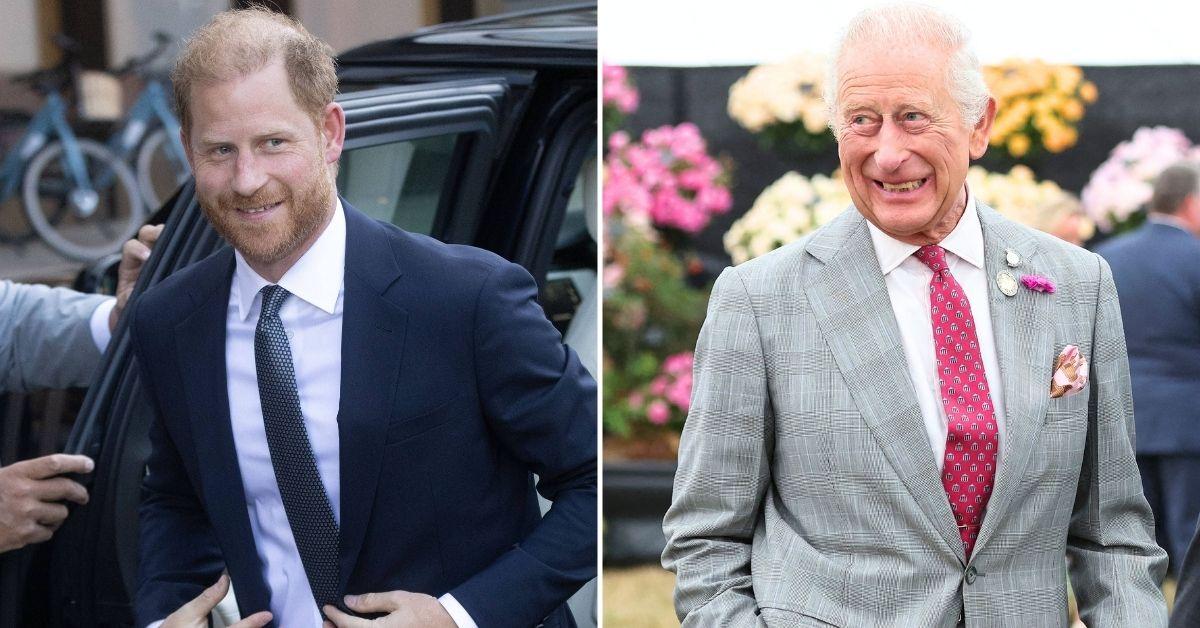
Prince Harry and Meghan Markle’s unannounced transatlantic move back to Britain after six years in California has created acute diplomatic friction within the Royal Family, prompting royal commentators to urge the Duke of Sussex to initiate immediate contact with King Charles III. While the Sovereign is understood to welcome the opportunity to see his grandchildren, Prince Archie and Princess Lilibet, on a more regular basis, palace insiders confirmed that the monarch was left completely “blindsided” by the timing and execution of their return. Most critically, Harry and Meghan reportedly withheld their relocation plans during an intimate family summit at Highgrove in July, despite both the King and Queen Camilla being present alongside the Sussex children. The official notification arrived merely ten days before the family touched down at Birmingham Airport in late August, triggering profound skepticism within institutional circles regarding their true motivations.
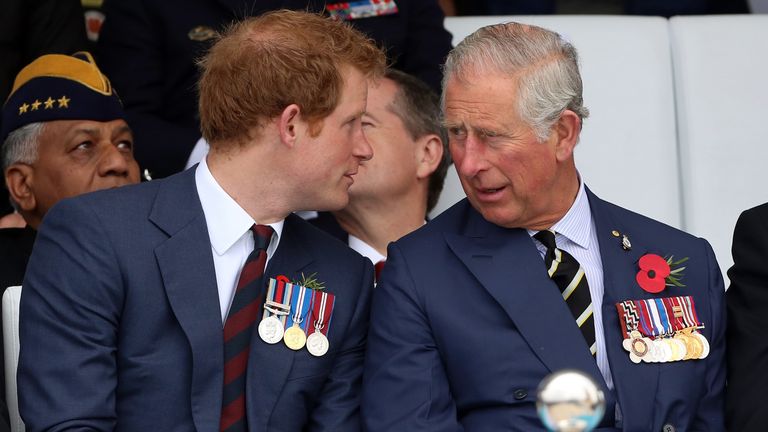
Analyzing the fallout on the Daily Mirror‘s Pod Save the King broadcast, royal editor Russell Myers argued that Harry faces an unavoidable obligation to speak with his father directly and unpack why he chose to keep the Sovereign in the dark. Myers stressed that once the immediate domestic scramble of unpacking boxes in the Cotswolds and ironing British school uniforms concludes, Harry must request an audience with the King—whether in London or Gloucestershire—to formally lay out his agenda on home soil.
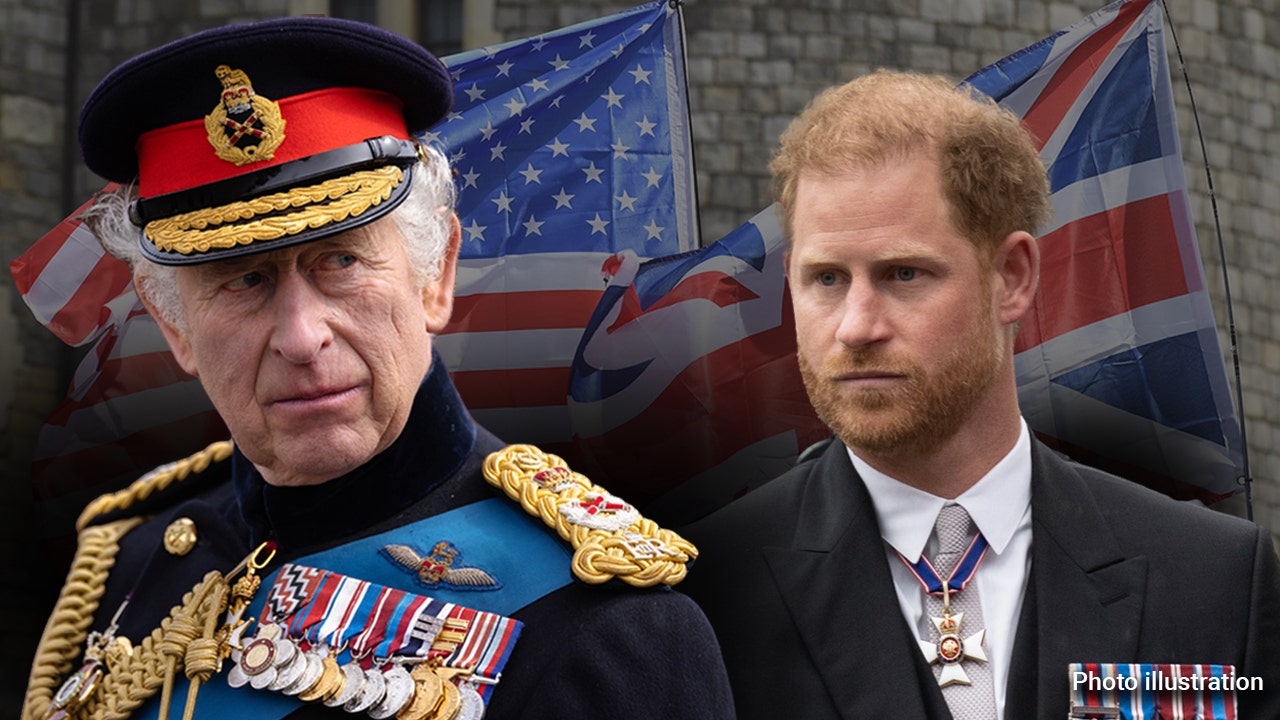
However, the path toward repairing father-son relations remains fraught with institutional skepticism:
-
A Slow, Measured Thaw: Deputy royal editor Jennifer Newton noted that because King Charles was caught off guard, a sudden return to routine weekend family visits is out of the question. Given that the Duke has met with his father only twice across the past two years, any potential rapprochement will require delicate “baby steps,” relying on sparse, private audiences over time before any meaningful public reconciliation can be realized.
