How Harvey Korman and Brenda Vaccaro Quietly Owned the 1974 Emmys — and Why That Night Still Feels Unrepeatable

The room was polished, formal, and filled with television royalty. The 1974 Emmy Awards unfolded the way award shows were expected to back then — elegant, respectful, carefully paced. But beneath the tuxedos and applause, something looser and more human was happening.
And two winners captured it perfectly.
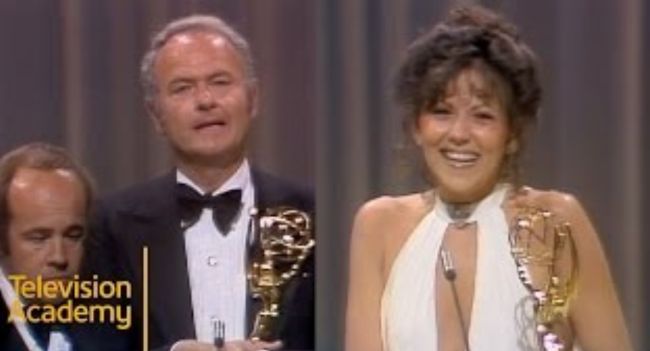
When Harvey Korman’s name was called for Outstanding Supporting Actor, the reaction was immediate and warm. Korman wasn’t just popular — he was trusted. Week after week on The Carol Burnett Show, he had proven himself the rare performer who could play authority, vulnerability, and absurdity all at once. His comedy wasn’t loud. It was precise. Built on timing, restraint, and the quiet understanding that the biggest laugh often comes from holding back.
As he approached the microphone, the smile on his face wasn’t triumphant. It was almost relieved. This wasn’t a breakout moment — it was recognition for years of discipline and craft.
Only minutes later, Brenda Vaccaro claimed the stage as Outstanding Supporting Actress. Where Korman brought comic elegance, Vaccaro brought emotional weight. Her performance had been raw, grounded, and fearless — the kind that doesn’t beg for attention but lingers long after the scene ends.\
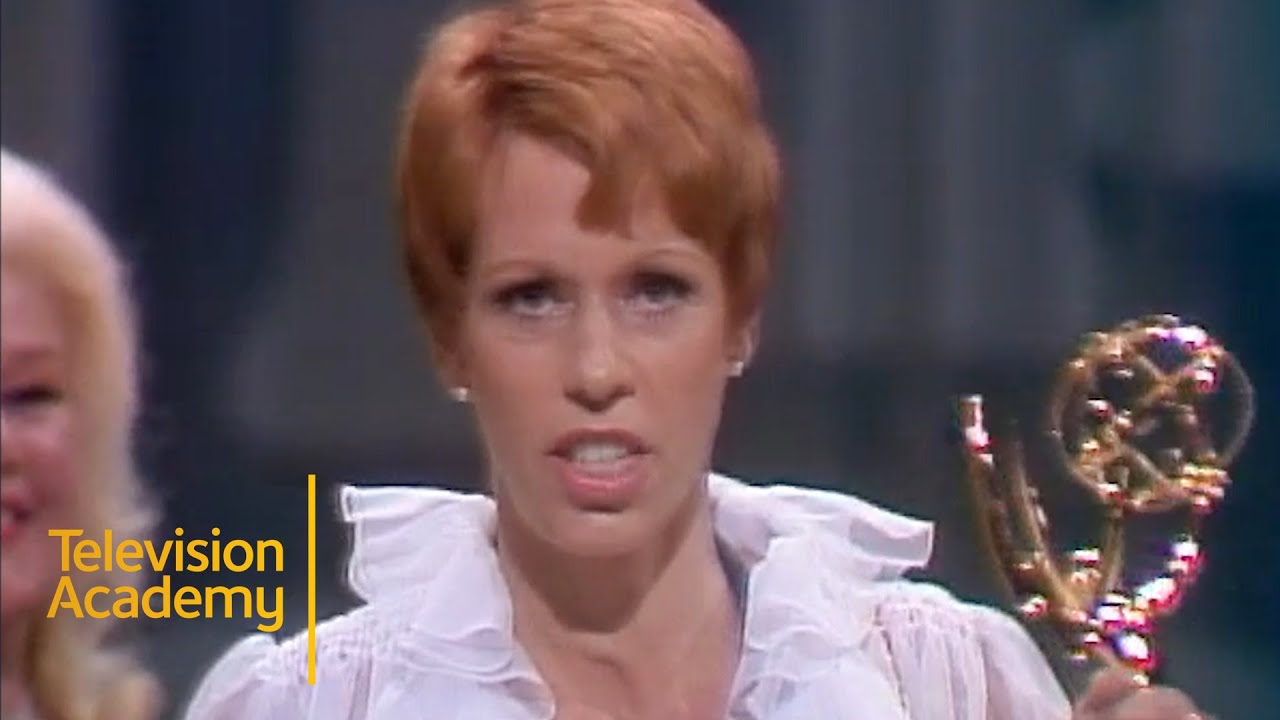
Her acceptance carried a different energy. Less playful. More reflective. A woman aware she had been seen — truly seen — in an industry that often overlooked complexity in supporting roles.
What made the night unforgettable, though, wasn’t just who won.
It was how human it felt.
Korman’s moment was punctuated by the familiar chaos of his longtime collaborator Tim Conway, whose presence alone was enough to threaten derailment. The audience sensed it instantly — that electric awareness that live television was teetering on the edge of something unscripted. Korman fought to keep his composure, and in doing so, reminded everyone why their partnership worked: one man always pushing, the other barely holding the line.
There was no scandal. No outrage. Just laughter bubbling dangerously close to the surface.
That balance — between control and collapse — defined the night.
Brenda Vaccaro, watching from nearby, represented the other side of television’s evolution. Her win marked a shift toward deeper, messier storytelling. Not spectacle. Substance.
Together, their victories captured something rare: a moment when television honored both laughter and truth, discipline and risk, polish and imperfection.
Decades later, people don’t remember that night for the speeches word-for-word or the gowns or the trophies.
They remember the feeling.
A time when award shows felt less manufactured. When winners looked genuinely surprised. When laughter wasn’t planned. When excellence didn’t need to be explained.
Harvey Korman and Brenda Vaccaro didn’t just win Emmys that night.
They embodied an era of television that trusted its performers — and let the moments speak for themselves.