
When Pentatonix Sang “Hallelujah,” They Reminded the World What the Human Voice Can Do
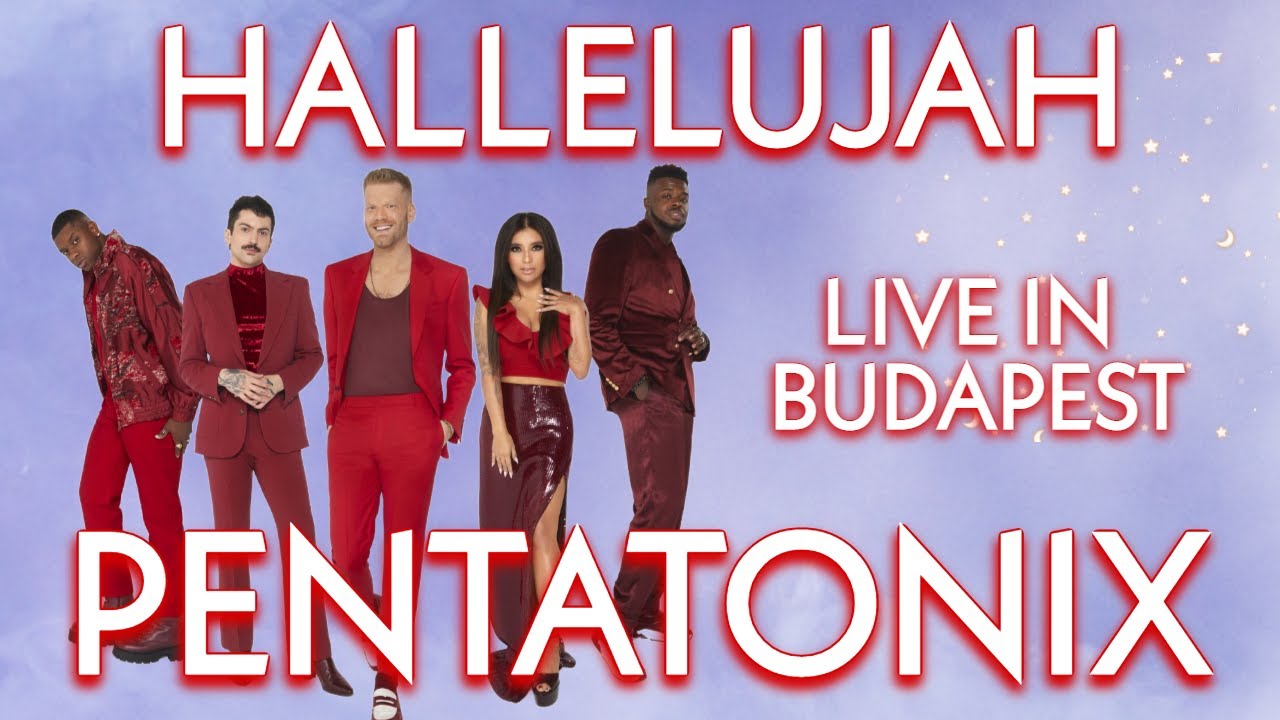
There are performances that impress, and then there are performances that quiet a room. Pentatonix’s live rendition of “Hallelujah” belongs firmly in the second category.
No elaborate staging. No dramatic instrumentation. Just five voices standing together, fully exposed. And from the very first note, it becomes clear: this isn’t about showcasing vocal tricks or technical perfection. It’s about intention.
The opening harmony settles gently, almost cautiously, as if the song itself is being handled with care. Each voice enters with restraint, knowing exactly when to hold back and when to lean in. There is no rush to overwhelm. Every phrase is allowed to breathe.
What makes this performance extraordinary is not volume or power, but control. Pentatonix understands that “Hallelujah” doesn’t ask to be reinvented — it asks to be honored. The group strips the song down to its emotional core, letting the harmonies rise and fall naturally, like a shared breath.
At the center is the understanding that the human voice, when trained and intentional, is enough.
No instrument competes. No sound distracts. The voices move together, sometimes blending so closely they feel like one, sometimes pulling apart just enough to let individual emotion surface. There is reverence here — not just for the song, but for the silence around it.
As the performance builds, the harmonies deepen, but never shout. The restraint remains. It’s the kind of discipline that only comes from artists who trust the material and trust each other completely. Every pause feels deliberate. Every note feels earned.
Watching the audience, you can sense it too. People aren’t cheering. They aren’t reaching for their phones. They’re listening — truly listening — caught in that rare space where music stops being background and becomes presence.
By the final “hallelujah,” the sound doesn’t explode. It lifts. Gently. The last harmony hangs in the air longer than expected, as if no one wants to be the first to let it go.
When the song ends, the reaction isn’t immediate. There’s a moment of stillness — the highest compliment a live performance can receive.
Pentatonix doesn’t treat this as a showstopper. They treat it as a gift.
And in doing so, they offer a quiet reminder: in an era of excess and noise, the most beautiful instrument we have is still the human voice — trained, intentional, and willing to tell the truth without anything to hide.
That’s what makes this performance linger long after the final note fades.