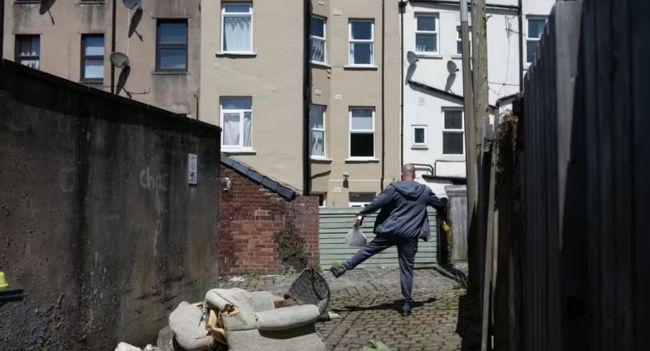

Princess Diana’s brother has been forced to sell land due to flytippers (Image: Getty)
Princess Diana’s brother was forced to sell 310 acres of historic land due to nuisance fly-tipping and vandalism. Earl Spencer said the land in Dallington, Northamptonshire, which the family has owned for around 130 years, became unfarmable due to damage incurred by trespassers.
Once, a pile of 60 burnt-out cars was discarded on the land, while another incident saw a 250-year-old farmhouse set on fire last year. It subsequently had to be dismantled. Princess Diana’s brother said: “My family long despaired at the impossibility of farming the land at Dallington, but is pleased that it now serves a fine purpose as a place for people to live and work.”

Fly tipping is estimated to cost the UK economy £1bn (Image: Getty)
The land was sold to developer Persimmon Homes for £60million, which will be reinvested in the Althorp estate. The developer plans to build 1,800 new homes, a secondary school and two primary schools, and will make contributions towards healthcare, libraries and the road network. West Northamptonshire Council holds some 150 acres of the development.
Fly-tipping and littering have been estimated to cost the UK economy about £1billion annually. Councils dealt with 1.26 million fly-tipping incidents last year, an increase of 9% from the year before.
Farmers are among the worst affected. A survey by the Country Land and Business Association found that almost 75% of farmers who responded experienced fly-tipping each year, with some targeted several times a month.
However, many incidents go unreported because landowners say councils can require them to clear the waste themselves, leaving victims of crime facing cleaning bills.
On average, each fly-tipping incident costs about £1,000 to clean up. Some 85% of affected farmers said they had invested in security measures such as CCTV, lighting and fencing to deter offenders.
This particular piece of land is located next to Dallington Hall, the former home of the Spencer family. The land and home were acquired together by Lord Spencer’s great-grandfather around 1893. In 1919, the 6th Earl Spencer gave the hall to as a convalescent home for soldiers wounded in the First World War. The property was sold and converted into apartments in 1980.