Comprehensive Deep-Dive: Behind the Scenes of Prince Harry’s High-Stakes NATO Address and the Ongoing Fallout Over Veteran Support
Expanding on Prince Harry’s surprise virtual address to NATO’s Military Committee, deeper background analysis reveals why his vulnerable commentary on post-service identity struck such a profound nerve across international defense circles.
:upscale()/2019/02/14/716/n/1922398/f93e717ff0788aa0_GettyImages-1124885115.jpg)
1. The Anatomy of Transition: Why Military Identity Runs Deep
Harry’s candid admission—that hanging up his uniform felt like losing both a profession and a core part of his identity—resonated powerfully because it mirrors clinical findings on veteran mental health.
-
The Loss of Structure: Military psychologists note that service members transition from an environment with absolute clarity of mission, tight-knit camaraderie, and institutional backing into civilian life, where that rigid support structure vanishes overnight.
-
Capitalizing on Lived Experience: By speaking openly as a veteran who served two tours in Afghanistan, Harry leveraged his own lived vulnerability to challenge institutional complacency among top generals and defense ministers.
2. Translating Advocacy into Policy
The Duke’s address was not merely symbolic; it arrived at a critical juncture when NATO member nations are grappling with rising rates of veteran PTSD, mental health struggles, and post-service integration challenges.
-
Rebalancing the Scales: Harry’s core thesis—that nations invest billions in combat readiness but fractional resources in long-term reintegration—drew immediate praise from international veterans’ welfare groups.
-
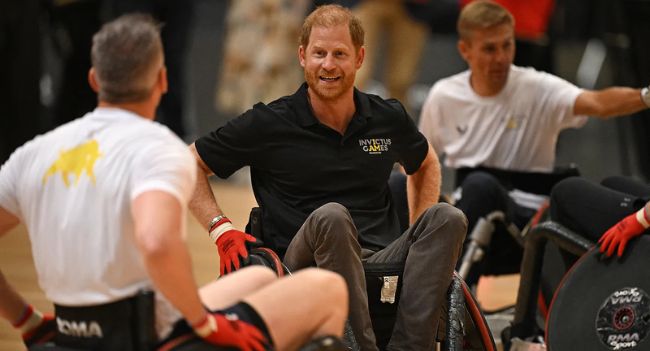
Global Reach of the Invictus Model: Highlighting how sports and community reintegration can rescue shattered lives, the address served to reinforce the expanding global footprint of the Invictus Games as a blueprint that governments should study and adopt.