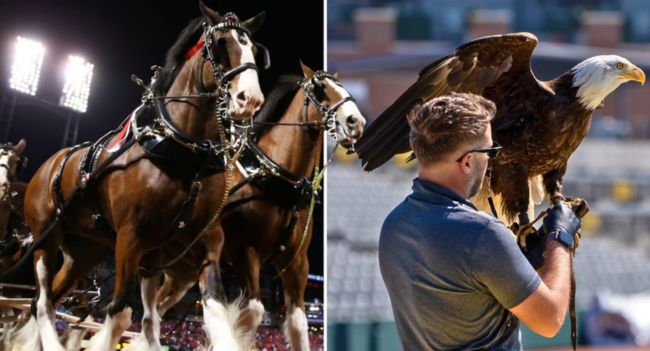
- The ‘Magnet’ Effect: Crew members reveal that Lincoln, the 28-year-old bald eagle, ignored 15 years of flight training to remain perched beside Zeus the Clydesdale long after the cameras stopped rolling.
- ‘No Whistle, No Cue’: Inside the “spine-tingling” moment the eagle refused to return to his handler’s leather glove, choosing instead to wait for the next take on a fallen log with his “gentle giant” partner.
- The ‘Fly’ Philosophy: How a viral poem’s soul became the literal backbone of the Super Bowl LX masterpiece, turning a corporate ad into a “raw and visceral” memory.
- ‘Unforced Stillness’: Why Director Henry-Alex Rubin kept the cameras rolling during breaks to capture the “unscripted” bond that CGI could never replicate.
- The King of Levi’s Stadium: How a bird who was once found scavenging in trash cans became the emotional heartbeat of America’s 250th birthday.
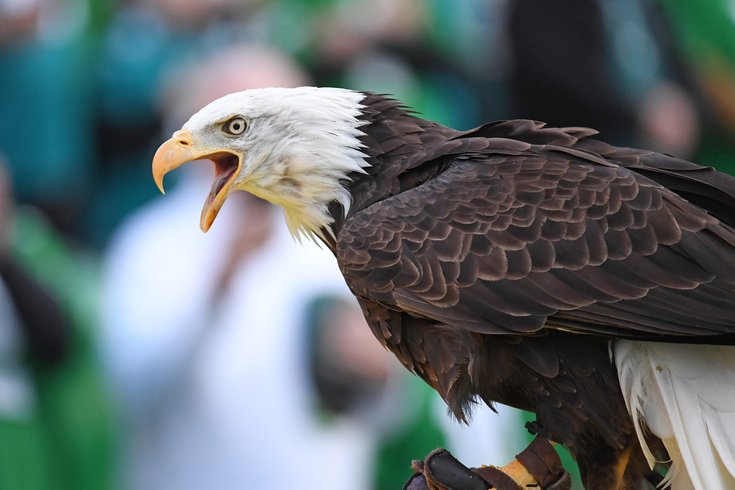
SANTA CLARA, CALIFORNIA — It’s the quote that has defined a generation of dreamers, and now it’s the unofficial mantra of the most-watched commercial in history. “The eagle asked the horse, but what if I fall? The horse replied, oh my dear, but what if you FLY?!!” But as the world obsessively rewatches Budweiser’s “American Icons,” a “stunning” new secret has emerged from the California set. It turns out the “connection” between Zeus the Clydesdale and Lincoln the Bald Eagle wasn’t just a miracle of timing—it was a miracle of choice.
THE ‘STAY’ COMMAND THAT NEVER HAPPENED
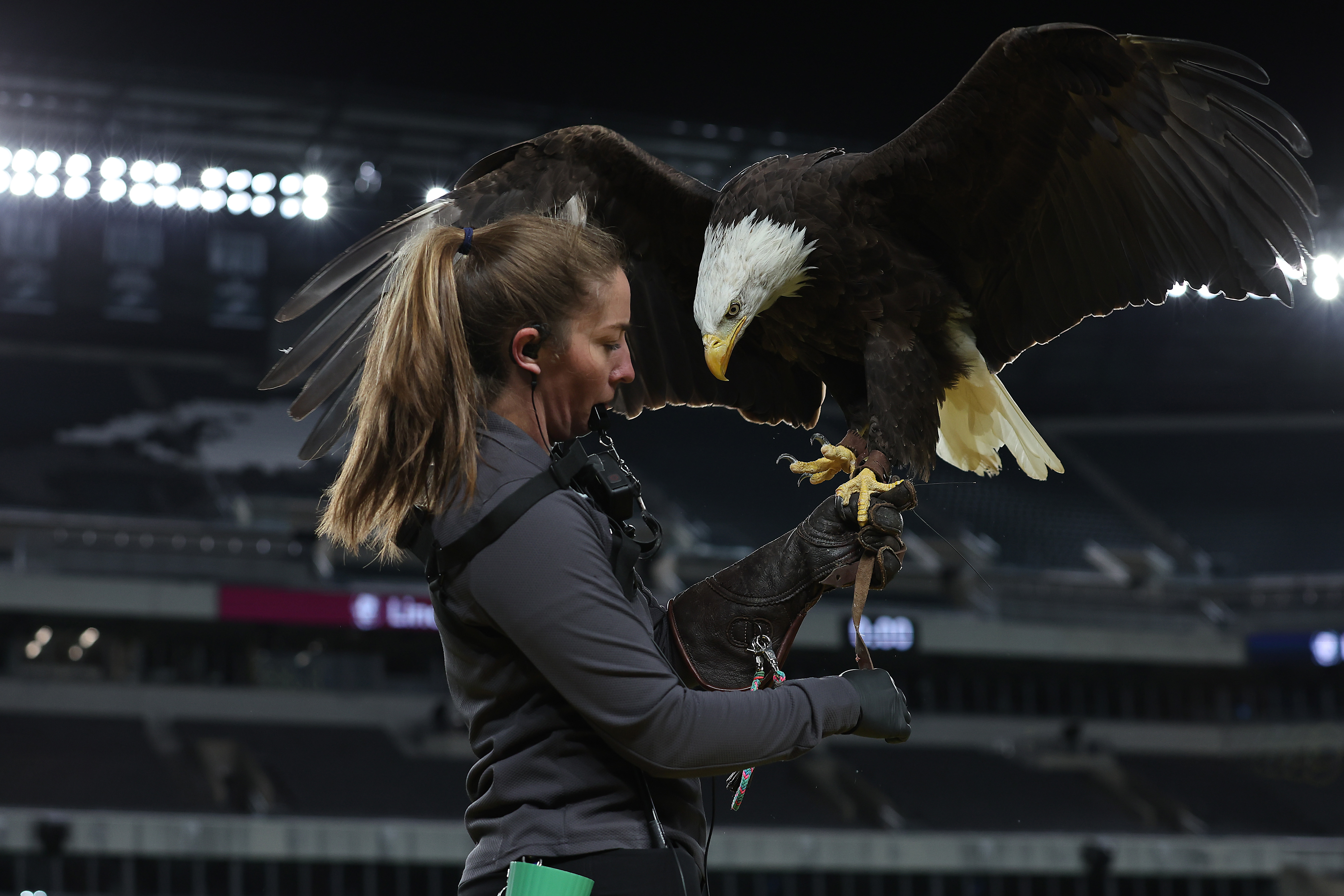
In the world of raptor training, birds are taught “precision exits.” They fly to the mark, perform, and return to the handler’s glove for a reward. It is a transactional relationship built on thousands of hours of repetition.
But during the filming of the “fallen tree” scene, Lincoln broke the rules. When the director yelled “Cut!”, Lincoln didn’t return to the handler. He stayed. As wind machines roared and lighting rigs were hauled across the mud, the eagle remained motionless beside the horse.
“Raptors are solitary predators; they don’t do ‘friends,'” a production assistant whispered to The Mail. “But Lincoln wouldn’t budge. He watched the crew, he watched the horse, and he waited. He chose proximity over his training. It was the most ‘incandescent’ thing I’ve seen in 20 years of filmmaking.”
SIDEBAR: THE ‘UNSCRIPTED’ BOND BY THE NUMBERS
| The Fact | The Detail | The ‘Daily Mail’ Verdict |
| The ‘Stay’ | 45 Minutes of Uncued Perching | Unheard Of! |
| The Cue | Silence (No Whistle Used) | Pure Intuition! |
| The Impact | 115M Viewers in Tears | National Treasure! |
| The History | 150th Anniversary Special | A Legacy Sealed! |
‘WHAT IF YOU FLY?’: THE POEM THAT BECAME REALITY

While the ad is set to the “electrifying” solo of Free Bird, the crew says the spirit of the shoot was guided by that iconic exchange of courage. The foal (young Zeus) wasn’t just a protector in the script; the animal behaviorists noticed a “shimmering” change in the horse’s temperament when the eagle was near.
“Zeus is a high-energy Clydesdale, but around Lincoln, he became a ‘zen’ master,” the head trainer added. “The horse gave the eagle the ‘foundation’ to trust, and in return, the eagle gave the horse his ‘wings.’ It was the ultimate ‘Pegasus’ illusion, made real by two hearts beating as one.”
As the nation prepares for its 250th birthday, this “harrowing” display of unforced stillness has become a symbol of what the “American Dream” looks like when you stop performing and start belonging.
Does knowing the eagle ‘chose’ to stay make the ‘Pegasus’ leap feel more like destiny and less like a commercial, or is this just ‘marketing magic’ at its finest?