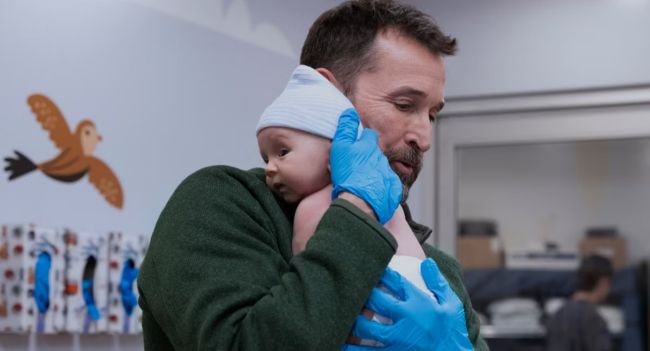
‘The Pitt’ Season 2 Review: HBO’s Medical Hit Returns Sharper, Bloodier, and Unapologetically Human

It was never a surprise that The Pitt became one of HBO’s biggest breakout series. Led by Noah Wyle and built around a gripping real-time format, the medical drama’s first season culminated in a devastating mass-shooting storyline that cemented its reputation for intensity, realism, and emotional weight. Praised by critics, audiences, and medical professionals alike, The Pitt quickly landed on many “best of 2025” lists.
Now, one year later, The Pitt returns for Season 2 — and rather than reinventing itself, the series chooses to double down on its core identity, for better and for worse.
A single day, a different kind of crisis
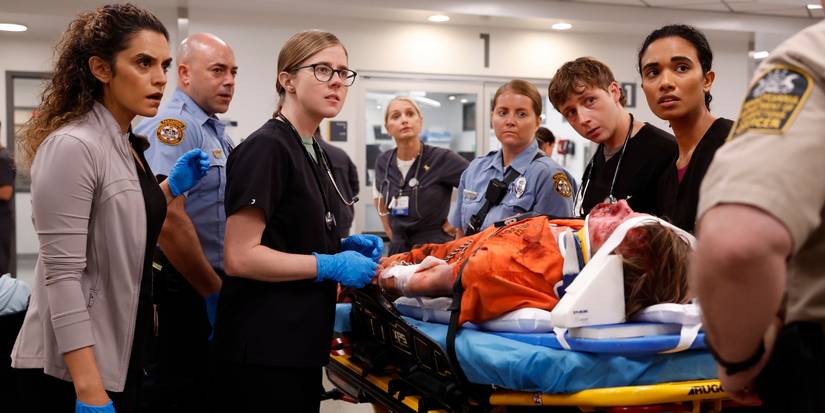
Like its debut season, Season 2 unfolds over the course of a single day. This time, however, the ticking clock leads not to a mass casualty event but to July 4th — a holiday shift that blends chaos with uncomfortable normalcy. There are fireworks-related injuries, drunken accidents, and brutal emergencies, but much of the day feels like any other relentless ER shift.
Dr. Robby (Noah Wyle) begins the episode preparing for a sabbatical, planning to spend several months riding his motorcycle across the country — a decision that earns quiet judgment from his colleagues. Langdon (Patrick Ball) returns from rehab, hoping to repair fractured relationships, only to find forgiveness harder to come by than expected.
Season 2 also introduces a wave of new faces: medical students Joy (Irene Choi) and James (Lucas Iverson), rookie nurse Emma (Laëtitia Hollard), and, most notably, attending physician Dr. Baran Al-Hashimi (Sepideh Moafi), who will take over Robby’s role during his absence.
A worthy challenger to Robby’s authority
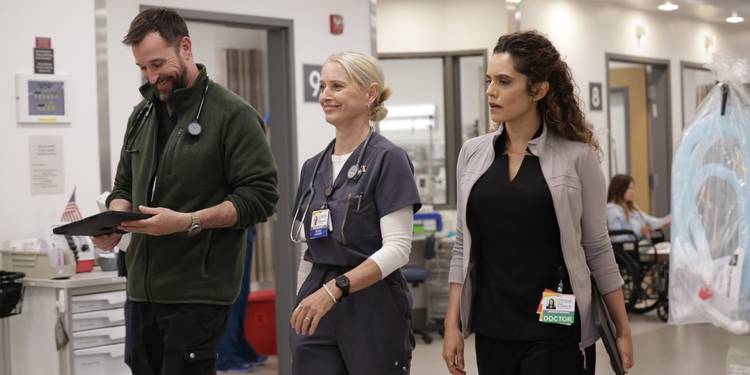
Almost immediately, Al-Hashimi clashes with Robby. Their conflict isn’t rooted in ego alone but in fundamentally different philosophies about medicine and teaching. Moafi proves to be an inspired counterbalance to Wyle — confident, challenging, and unafraid to question Robby’s long-held beliefs.
For perhaps the first time, viewers are pushed to see Robby not as the unquestioned moral center of the ER, but as one perspective among many. The tension between the two doctors becomes one of Season 2’s most compelling dynamics, grounding the show’s emotional and intellectual stakes.
When the system goes dark
Midway through the season, The Pitt throws its staff into crisis by forcing the hospital to go fully analog. Digital charts disappear. Tablets shut down. Procedures must be performed without cameras or technological shortcuts.
The message is clear — and not subtle. In an era increasingly dominated by automation and AI, The Pitt argues that lived experience, instinct, and human judgment remain irreplaceable. When the tech fails, it’s the people who matter. The commentary may be blunt, but it feels timely and earned.
A rotating cast that mirrors real medicine
Season 2 continues to reject the traditional medical drama trope of static casts that linger for decades. Characters like Samira Mohan (Supriya Ganesh) and Victoria Javadi (Shabana Azeez) face looming transitions — moves, career decisions, and parental pressure that reinforce the impermanence of residency life.
This constant sense that any shift could be someone’s last adds emotional weight to even quiet moments. In The Pitt, goodbyes aren’t always dramatic — they’re often unresolved, mirroring real hospital life.
More graphic — but never pointless
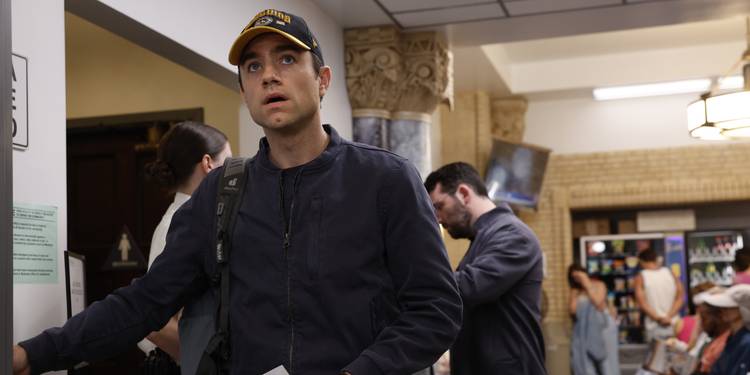
If Season 1’s visceral imagery divided audiences, Season 2 pushes even further. From graphic injuries to stomach-churning medical procedures involving infection, parasites, and severe trauma, The Pitt is emphatically not a show to watch while eating.
Yet the gore is never empty spectacle. These moments serve character development and social commentary, highlighting the realities faced by medical professionals treating unhoused patients, uninsured individuals, incarcerated people, and survivors of sexual assault. One particularly restrained storyline allows Katherine LaNasa a powerful, understated performance — standing out precisely because the show slows down instead of escalating.
Familiar rhythms, mixed results
For viewers who loved Season 1, Season 2 delivers exactly what they expect. There are no outrageous twists, no disaster-movie openings, and no reliance on flashy network-TV tropes. That commitment to realism, however, means some episodes feel slower and less urgent than others, especially early on.
Those hoping for expanded romance arcs may also be disappointed. The Pitt deliberately avoids becoming Grey’s Anatomy. Relationships remain secondary to the work itself, and emotional connections are largely forged within the pressure of the ER, not outside it.
The verdict
Ultimately, The Pitt Season 2 succeeds by staying true to its original mission. It offers more empathy, more moral complexity, and more unfiltered realism — even when that choice sacrifices easy thrills. The show understands what it is: a drama about people doing impossible work under impossible conditions.
As long as The Pitt continues to prioritize humanity over spectacle, HBO’s medical powerhouse looks well-positioned for another strong season.