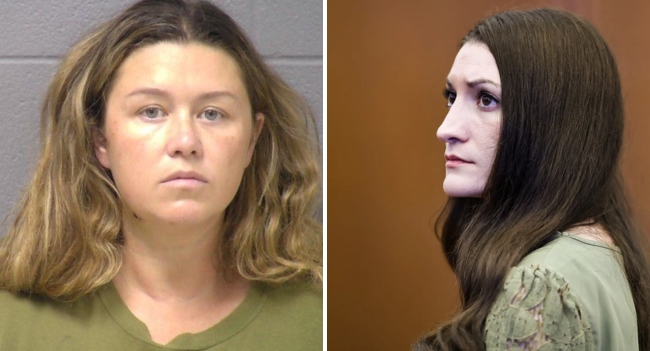
An Illinois mother accused of killing her 2-year-old son had been closely following the Lindsay Clancy murder trial and discussing the nationally watched case with friends just hours before her own family was struck by tragedy, according to prosecutors.
Corie Walsh, 40, appeared in Will County court on Tuesday, Sept. 8, where a judge ordered her held in custody as she faces three counts of first-degree murder in the death of her son, Barrett Walsh.
Her attorneys say Walsh was experiencing a severe psychotic episode at the time of the Sept. 1 incident. Prosecutors, meanwhile, have disclosed a series of disturbing allegations about her behavior in the hours surrounding her son’s death, including what witnesses described as an intense interest in Clancy’s Massachusetts trial.
Friends said Walsh had become ‘very invested’ in the Clancy case

Corie Walsh (Will County Sheriff’s Office)
Court records say witnesses told investigators that Walsh had recently become “very invested” in Lindsay Clancy’s murder trial.
Clancy, a former labor and delivery nurse from Massachusetts, was charged in the 2023 deaths of her three young children. Her defense argued that she was suffering from postpartum psychosis and was not criminally responsible, while prosecutors maintained that she understood her actions were wrong.
Walsh was reportedly discussing the Clancy proceedings with friends in a group chat until approximately 12:30 p.m. on Sept. 1.
Less than four hours later, her own 2-year-old son would be found unresponsive inside the family’s home in Frankfort, a suburb southwest of Chicago.
Despite the striking timing, authorities have not publicly established that the Clancy trial caused or inspired what allegedly happened in the Walsh home. The publicly available evidence establishes that Walsh was following and discussing the case, but not a direct causal connection between the two cases.
Defense says Walsh was experiencing psychosis
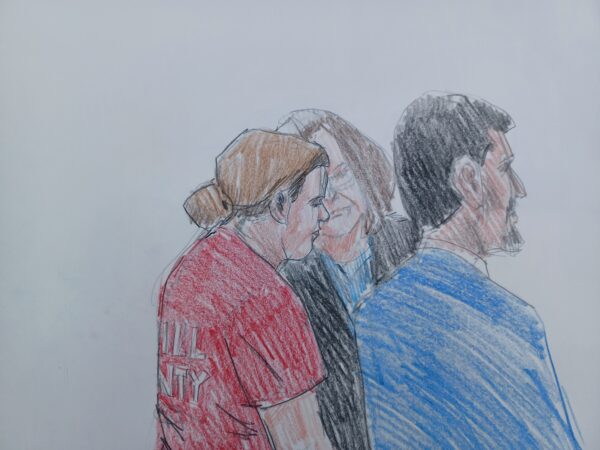
Corie Walsh appeared in court on Sept. 8, 2026. (Sketch by L.D. Chukman)
At Tuesday’s hearing, defense attorney Robert Kerr said Walsh had been “severely mentally ill at the time of the incident.”
According to Kerr, Walsh was suffering a psychotic episode when Barrett died.
Her legal team also includes Andrea Lyon, a prominent defense attorney whose past clients include Casey Anthony, who was acquitted of murder charges in 2011 in connection with the death of her daughter, Caylee.
Lyon has pushed back against suggestions that the Walsh case should simply be characterized as a copycat of the Clancy case, calling such speculation unfounded. Walsh’s defense is instead focusing on her psychiatric condition at the time of Barrett’s death.
Walsh has since reportedly been diagnosed with brief psychotic disorder, according to reporting on statements from her legal team.
Neighbor discovered Barrett inside the home
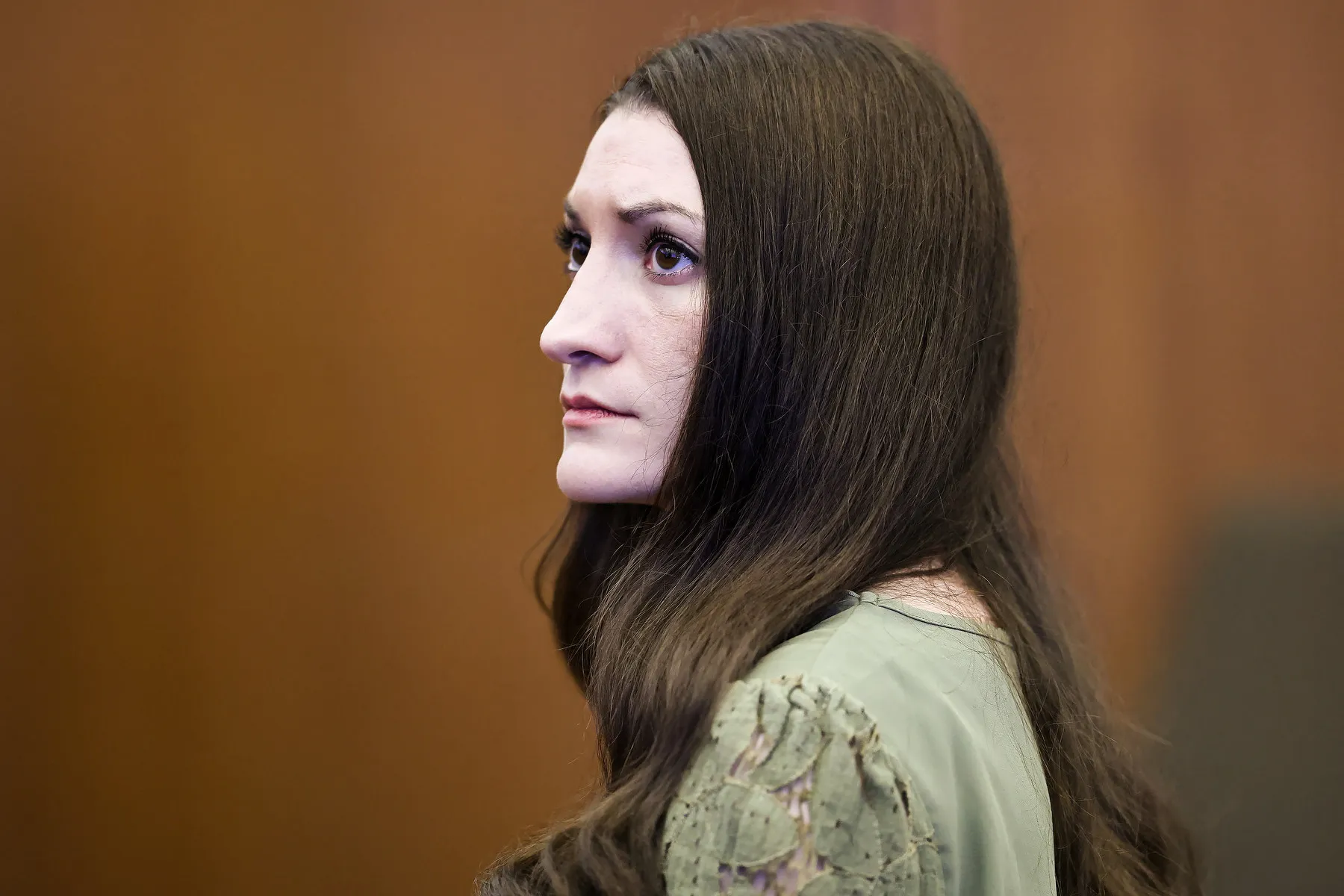
Police were called to the Walsh residence shortly before 4 p.m. on Sept. 1.
According to prosecutors, a neighbor entered the home after Walsh’s older children sought help and discovered Barrett in the basement. The neighbor began CPR and called 911.
The toddler was transported to a hospital but could not be saved.
An autopsy determined that Barrett died from asphyxia caused by ligature compression of the neck.
Because the case involves a young child, some of the more graphic details contained in court documents have been omitted here.
Walsh found injured elsewhere in the house
Investigators searching the residence also found Walsh elsewhere inside the home with injuries authorities described as self-inflicted.
She was taken to a hospital, and officials said those injuries were not life-threatening.
Prosecutors allege that Walsh later made extraordinary statements to investigators about Barrett, referring to him as the “devil” and the “anti-Christ.” Her defense maintains those statements and her behavior should be understood in the context of the psychotic episode they say she was experiencing.
Authorities also alleged during Tuesday’s proceedings that Walsh had contemplated harming other members of her family.
Prosecutors said she discussed poisoning her husband with a drink. Additional reporting on the hearing said Walsh had also made statements involving her other children.
Walsh’s husband was reportedly out of town on Sept. 1.
An infant who was inside the house was unharmed, while two school-age children returned to the residence around the time the neighbor contacted emergency services.
A family tragedy unfolding as another trial captivated the country
The disclosure about Walsh’s interest in the Clancy proceedings has drawn national attention largely because of the timing.
The Clancy jury was deliberating in Massachusetts as investigators in Illinois began examining Barrett’s death.
Clancy’s nearly six-week trial ultimately ended in a mistrial on Sept. 4 after jurors failed to reach a unanimous verdict. The panel was reportedly divided 11-1, with eleven jurors favoring a finding that she was not guilty by reason of insanity.
Her defense had argued that postpartum psychosis left her unable to appreciate the wrongfulness of her actions. Prosecutors disputed that interpretation and argued the deaths were planned.
Those questions about psychosis and criminal responsibility had become a major part of the extensive public coverage of Clancy’s trial.
But Walsh’s attorneys caution against assuming that her interest in that case explains what happened in Frankfort.
Lyon has rejected the idea of simply labeling Walsh a Clancy “copycat,” while authorities have not announced evidence demonstrating that the Massachusetts case directly motivated Barrett’s death.
Judge orders Walsh held pending trial
Walsh appeared before Will County Judge Amy Bertani-Tomczak on Sept. 8.
Her attorneys argued that she needed psychiatric treatment and maintained that her mental condition should be central to how the case proceeds.
The judge nevertheless granted the prosecution’s request to keep Walsh in custody pending trial, citing compelling reasons for detention.
Walsh now faces three counts of first-degree murder.
Her next preliminary hearing is scheduled for Sept. 24.
As the criminal case moves forward, one question is likely to remain central: what was happening to Walsh psychologically in the period leading up to her son’s death?
Her attorneys say she was experiencing psychosis. Prosecutors have laid out allegations showing increasingly alarming behavior. And witnesses have added another unusual piece to that timeline — only hours before Barrett was found, Walsh was still discussing another mother’s closely watched murder trial with her friends.