Congratulations!
You've earned 1 point
Mother of Briton Killed Fighting for Russia Reveals He Told Her He Was Going to Romania — Family Now Desperate to Bring His Body Home

The mother of Bradley Townsend, the first known British citizen to die while fighting for Russia, has revealed that her son never told his family he was travelling to the war in Ukraine.
Instead, the 33-year-old told his mother, Maureen, that he was going to Romania.
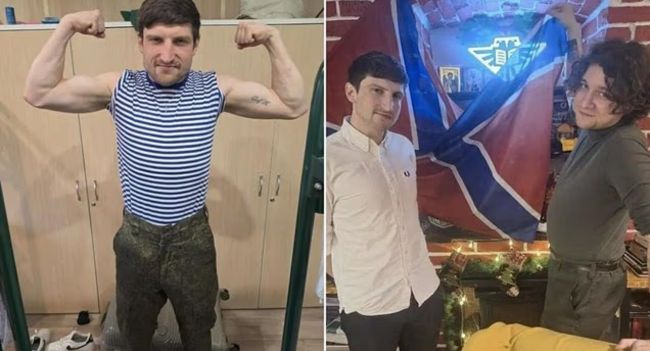
Townsend, from Barnsley, South Yorkshire, secretly left Britain on April 1 and travelled to Russia, where he enlisted in the Russian armed forces despite having no previous military experience.
He was later killed in a drone strike while fighting near Lyman, in Ukraine’s Donetsk region, on June 10.
Now his grieving family say they are desperate for answers — and want to bring his body back to Britain for burial.
‘He Told Me He Was Going to Romania’

Maureen, who works as an NHS care support worker, said she initially believed her son was simply travelling after telling her he wanted to spend a year abroad.
She said Townsend had previously experienced two failed relationships and had told her he wanted to do something different with his life.
But the story changed when he contacted her and revealed he was not where he had claimed to be.
“He said he was going to Romania,” Maureen recalled.
She believed him, thinking he was travelling and visiting friends he had met through work.
Then the family began to suspect something was wrong.
One of Townsend’s sons reportedly used Google to check photographs his father had posted online because they did not appear to resemble Romania.
Soon afterwards, Townsend admitted that he was actually in Russia.
Maureen said she initially thought he was joking.
It was only after Townsend appeared in a video on April 4 for the Russian International Volunteers Association that his mother and siblings realised he had joined the Russian side.
‘A Normal Working-Class Lad From Yorkshire’

Townsend, whose call sign was “Badger,” described himself publicly as a “normal working-class lad from Yorkshire.”
He had trained as a joiner after leaving school and had never shown an interest in joining the British Army.
According to his family, there were no Russian connections in their background.
Townsend said his motivation for fighting for Russia was linked to the miners’ strikes of the 1980s, claiming he wanted to “repay the favour” to miners in Donbas who had supported striking Yorkshire miners decades earlier.
Before leaving, he acknowledged that he might never be able to return home.
He also said the decision was his own and that he understood the dangers involved.
Family Faces Another Painful Battle
After Townsend’s death, his family were left facing another painful uncertainty.
They want his remains returned to Britain so they can lay him to rest, but Maureen said Russia has not been cooperating with the British Government over the repatriation.
The circumstances have left the family desperate for answers about what happened to her son after he secretly left Britain.
Meanwhile, fellow Britons who had served alongside or communicated with Townsend paid tribute to him online.
Aiden Minnis said Townsend understood the risks but remained determined to sign up, describing his death as a sacrifice for their cause.
Another British fighter, Ben Stimson, said he had previously warned Townsend about the dangers and even encouraged him to stay in Britain. According to Stimson, Townsend remained adamant that he wanted to fight.
Questions Over Why He Went
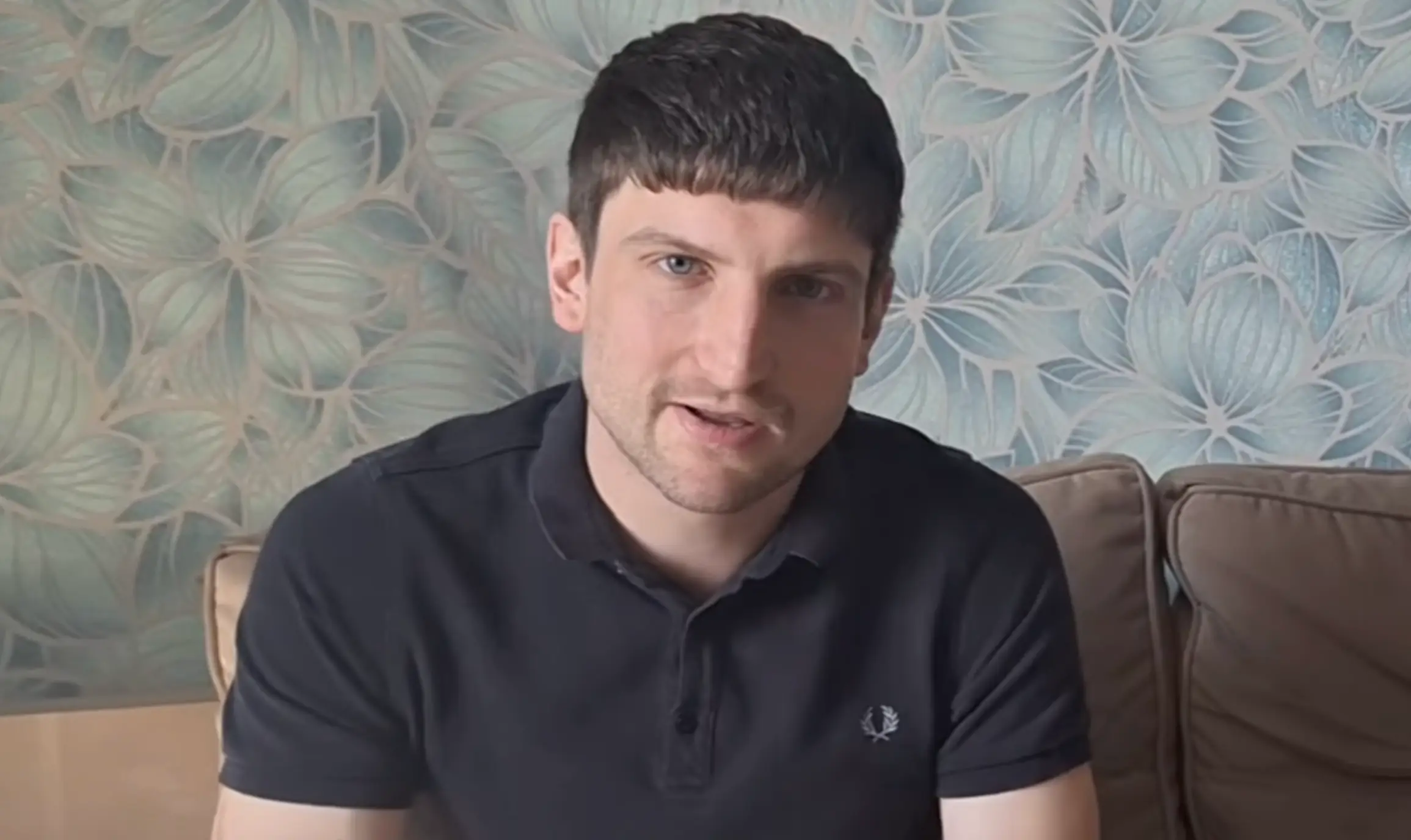
People who knew Townsend offered differing views about what may have influenced his decision.
One acquaintance told LBC that Townsend had struggled with mental health and addiction in the past.
Another described him as a “normal guy” who had allegedly been influenced by people who recognised his vulnerability and recruited him into their cause.
Former security minister Tom Tugendhat said he felt sorry for Townsend’s family but strongly criticised his decision to join the Russian armed forces.
The Foreign Office said it was aware of reports that a British national had died in Ukraine and was in contact with his family.
For Maureen, however, the political arguments surrounding her son’s decision remain secondary to a deeply personal question: when will she finally be able to bring Bradley home?