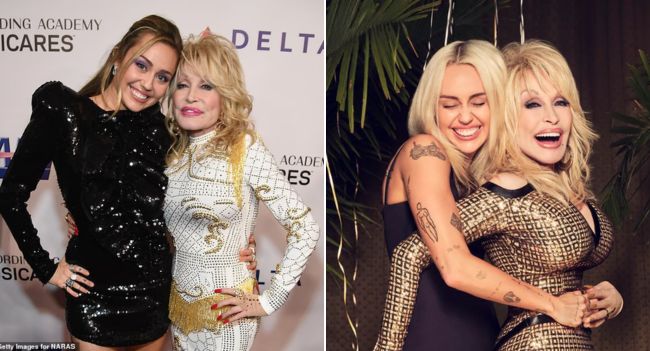
Dolly Parton’s Final Six Months: The Private Health Struggle Behind Her Last Public Appearances

For decades, Dolly Parton made a career out of appearing almost indestructible.
Even in the final months of her life, she continued to present the familiar image her fans had known for generations: perfectly styled hair, flawless makeup, sparkling clothes and an unmistakable optimism that made even difficult moments seem manageable.
But behind that carefully maintained public image, people close to the country music legend say her health had deteriorated far more seriously than the public understood.
Parton died at the age of 80 on Tuesday, August 25, 2026, after what her representatives described as a brief battle with cancer. She died at Vanderbilt-Ingram Cancer Center in Nashville, surrounded by loved ones. The type of cancer and the date of her diagnosis have not been publicly disclosed.
In the days since her death, accounts from people who said they were close to Parton have offered a more private picture of the months leading up to her final hospitalization.
According to those sources, Parton had become increasingly isolated, keeping details of her condition within a very small circle of family and trusted friends.
She insisted she was still working and healing
Just four days before her death was announced, Parton gave what would become her final interview with People magazine.
She acknowledged that she was dealing with health problems that she had neglected while caring for her husband, Carl Dean, who died in March 2025 at the age of 82 after nearly six decades of marriage.
“I am dealing with some health issues that I just didn’t pay attention to when I was watching over Carl,” she said at the time.
Parton had also suffered another devastating family loss in July 2026, when her older brother, Coy “Denver” Parton, died.
Yet even while acknowledging the difficult period she had endured, Parton continued to reassure the public that she was recovering.
“It’s not like I haven’t been through hard times with my health. I’m still healin’, I’m still workin’,” she told People.
Publicly, that was the message she wanted fans to hear.
Privately, sources cited by the Daily Mail claimed the situation was considerably more serious.
One source said Parton had been dealing with significant health problems for months and had deliberately avoided allowing the wider public to know how sick she had become.
Another said she had shared the details of her condition with only a very small and intimate circle.
That secrecy was consistent with the way Parton had handled many difficult moments throughout her life: keeping moving, continuing to work and protecting the people around her from worry.
The image of Dolly remained carefully protected

Parton had already begun withdrawing from public life before her death.
In May, she cancelled her planned Las Vegas residency at Caesars Palace. At the time, she addressed fans directly on Instagram, saying she was responding well to medication and treatment and was improving.
The video showed the Dolly Parton fans recognized immediately — immaculate makeup, carefully arranged hair and her unmistakable appearance.
People close to her later claimed that maintaining that image had become increasingly difficult.
According to one source, Parton relied heavily on wigs, makeup, lighting and filters when appearing publicly or on social media.
“She wanted them to see the Dolly they’ve loved for decades,” the source said.
The goal, they claimed, was not to deceive fans for publicity, but to prevent them from seeing how seriously ill she had become.
That account fits with what was publicly known at the time: Parton continued to speak optimistically about her health even as she was stepping back from an increasing number of commitments.
Her public appearances became increasingly rare

The warning signs had been accumulating for months.
Before cancelling her Las Vegas residency in May, Parton had already missed a concert celebrating her 80th birthday at Nashville’s Grand Ole Opry.
A scheduled appearance at Dollywood, the Tennessee amusement park she founded, was also cancelled.
Then, on June 24, she made what would become her final public appearance.
Parton surprised fans at the ribbon-cutting ceremony for the newly opened Dolly’s Tennessean Travel Stop in Cornersville, Tennessee.
The truck stop includes a restaurant and sells Dolly Parton-themed merchandise as well as cups of Ambition Coffee, a name inspired by her iconic song “9 to 5.”
According to a source quoted by the Daily Mail, Parton made an effort to attend despite being seriously unwell and had increasingly been turning down invitations.
Her appearances afterward became even more limited.
A life increasingly confined to her Tennessee home
Sources told the Daily Mail that Parton had spent much of the previous year inside her Tennessee home.
One insider described her as having largely stopped travelling and said that, roughly six months before her death, she was no longer taking on new projects and was concentrating on her health.
There were rumors among people around her that cancer might be involved, the source claimed, but no one within her circle would publicly confirm the diagnosis at the time.
Instead, some of her missed appearances had been associated publicly with more manageable health problems, including digestive issues and kidney stones.
Sources later claimed that those explanations did not tell the whole story.
“It was ‘shhhh, don’t ask’ from her circle,” one source said.
That private approach meant fans continued to see occasional appearances from Parton without necessarily understanding how limited her health had become.
Her final days were spent largely out of the spotlight

By the final weeks, sources said Parton’s condition had deteriorated substantially.
One source claimed she was largely confined to bed toward the end of her life and had become extremely thin.
The source also claimed that she had lost all of her hair.
Parton had famously worn wigs for much of her career, making her hair an integral part of the carefully constructed image she presented to the world.
According to the source, family members were with her during her final days.
Parton’s representatives ultimately confirmed that she died following a brief battle with cancer. They did not identify the type of cancer or provide further details about her treatment.
Dolly kept working on her final major project
Even as her health deteriorated, Parton remained focused on DOLLY: A True Original Musical, the autobiographical Broadway production based on her life.
The show was still scheduled to open on January 19, 2027, which would have been Parton’s 81st birthday.
According to people cited by the Daily Mail, Parton remained deeply invested in the production despite no longer being able to travel to New York to oversee it personally.
“She really cared about the project and did not want to jeopardize it,” one insider said.
That determination was characteristic of a woman who had spent more than six decades building a career across music, film, television, publishing and business.
Her family remained close as her condition worsened
Parton grew up in rural Tennessee as one of 12 children, and her family remained an important part of her life throughout her career.
Her younger sister Stella Parton, now 77, also pursued a career in country music.
Those close to the family said relatives were protective of Dolly and did not discuss her medical condition publicly.
Concert promoter Arny Granat, who worked with Parton for years, told the Daily Mail that her loved ones avoided speaking negatively about her health and largely kept those matters private.
One insider said Stella remained particularly close to Dolly during her final period.
“She is very sweet and nurturing. She was by her side all the time,” the source said.
That support became especially important as Parton’s illness progressed.
Miley Cyrus was left “shell-shocked”
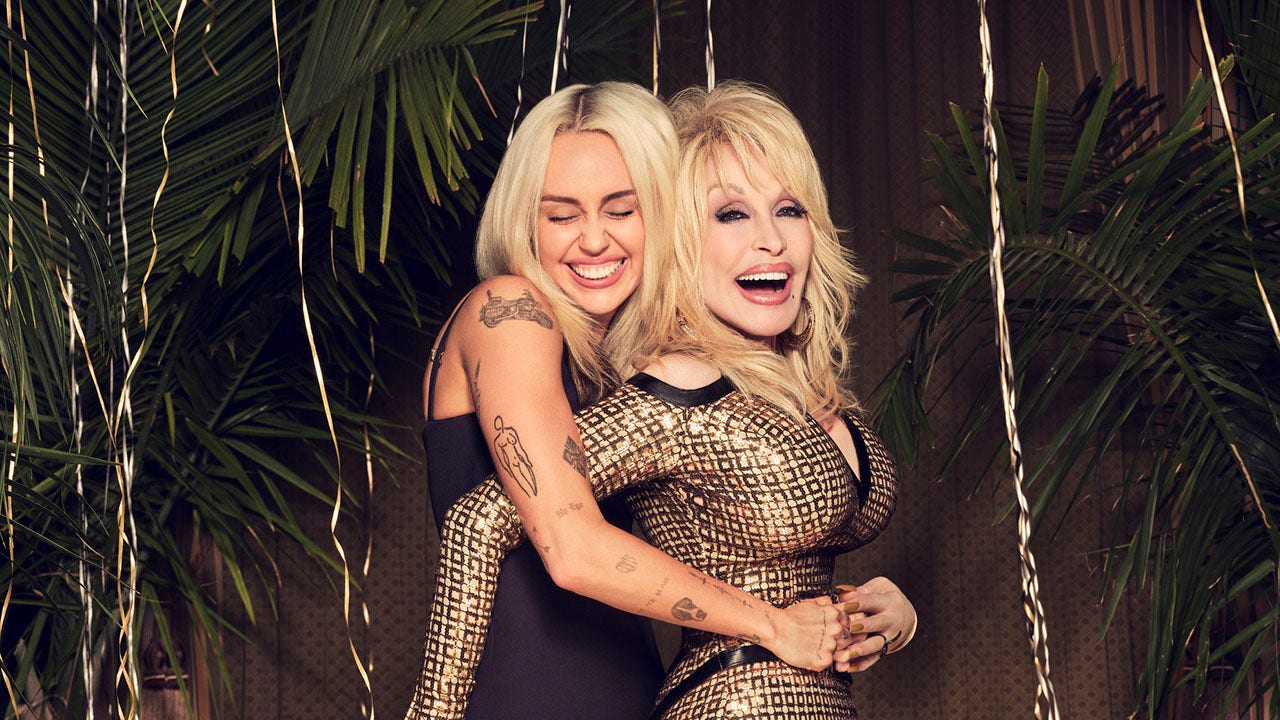
Among the people grieving most deeply is Parton’s goddaughter, Miley Cyrus.
Parton and Cyrus had shared an unusually close relationship for years. Parton appeared on Hannah Montana, the Disney series starring Cyrus, and the two later performed together on multiple occasions.
Parton never had children of her own, but she became an important maternal figure in Cyrus’ life.
Following Parton’s death, Cyrus described the loss as deeply personal and said many of their most meaningful moments would remain private. Reuters reported that Cyrus referred to Parton as her “Aunt Dolly” and said their most sacred moments belonged behind the stage and between their hearts.
Cyrus also wrote that she believed Parton would want her to turn the grief into music and continue moving forward.
The relationship between the two women had lasted for decades, beginning long before Cyrus became a global star and continuing through their work together on television and music.
For Cyrus, losing Parton meant more than saying goodbye to a legendary performer.
It meant losing someone she regarded as family.
A private battle behind a very public legacy
Parton’s death has prompted an enormous outpouring of grief from across the entertainment world.
She leaves behind one of the most recognizable legacies in American music, built around songs including “Jolene,” “9 to 5” and “I Will Always Love You,” alongside decades of acting, business ventures and philanthropy. Her representatives confirmed that she died surrounded by loved ones after a brief battle with cancer.
Her business empire includes Dollywood, while her charitable work through the Dollywood Foundation and Imagination Library became another defining part of her public legacy.
Her fortune has been estimated by various outlets at hundreds of millions of dollars, generated through music royalties, songwriting, film and television, books, investments and her business interests.
Details of her will and estate arrangements have not been made public.
She is survived by six siblings and leaves behind a charitable legacy that reaches far beyond the entertainment industry.
Yet for those who knew her personally, the most striking part of Parton’s final chapter may be how hard she worked to keep her suffering away from the public.
For decades, she had built a persona around optimism, humor, glamour and resilience.
Even as her health worsened, sources say she continued trying to give her audience the version of Dolly they had always loved.
“She made it seem like she would get better,” one source said.
“But that was Dolly. She really didn’t want to share bad news.”
And in the end, that may have been one of the final gifts she chose to give her fans: allowing them to remember her not as a woman overwhelmed by illness, but as the Dolly Parton who kept smiling, kept working and kept bringing joy to others for as long as she could.