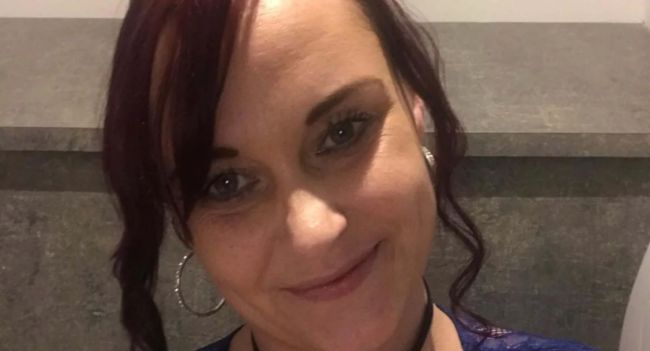
A 36-year-old mother of two drowned in her bath at home after a sponge was found covering the plughole, an inquest has heard. Natasha Keryk was discovered at her home in Blackburn, Lancashire, on October 7, 2024, after her family became concerned when they could not get in touch with her.
The inquest concluded that Natasha died from drowning, with acute alcohol intoxication contributing to her death. However, Coroner Emma Mather said there was insufficient evidence to determine her intentions, declining to record either accidental death or suicide.

Coroner Unable to Determine Her Intentions
Natasha was found submerged in the bath, with a sponge covering the plughole, the hearing was told.
Delivering her findings, Coroner Emma Mather said Natasha had been experiencing significant personal difficulties and was receiving support from professionals at the time of her death.
“Her intentions cannot be determined,” the coroner said, recording a narrative conclusion rather than classifying the death as accidental or intentional.
A post-mortem examination established drowning as the cause of death, with acute alcohol intoxication identified as a contributing factor.
Mother Had Been Trying to Rebuild Her Life
The inquest heard that Natasha, a secretary and mother of two, had been working to rebuild her life following the end of a long-term relationship.
She had also been struggling with alcohol, but her family said she had made progress in the weeks before her death.
Natasha had reportedly remained sober for several weeks before relapsing shortly before she died. Despite the setback, relatives told the hearing that she had been discussing future plans and wanted to make sure she was a good parent to her children.
Her family believed she was making positive changes and trying to move forward during a difficult period in her personal life.
Alcohol Recovery Worker Said Natasha Was Trying Her Best
Natasha had sought professional help with her drinking in August 2024, when she referred herself to Spark, an alcohol recovery service.
Emma Spencer, the service’s deputy manager, told the inquest that Natasha had reached out for support after experiencing difficulties in her personal life.
“She was really doing her best to engage and make changes to her life,” Spencer said.
The hearing also heard that Natasha had disclosed suicidal thoughts to both her GP and a social worker during 2024.
Her death subsequently prompted a review of the support she had received, which identified instances in which information had not been shared between agencies.
Questions Raised Over Information Sharing and Children’s Services
The inquest examined the involvement of professionals in Natasha’s life during the months leading up to her death.
The coroner criticised children’s services after learning that Natasha had spoken to a social worker about suicidal feelings. The subsequent review also highlighted gaps in communication between agencies involved in supporting her.
In response, Blackburn with Darwen Council said evidence presented at the inquest demonstrated that children’s services had remained actively involved with Natasha between July 29 and October 7, 2024.
A council spokesperson said records documented 24 contacts or interactions during that period. These included home visits, unannounced visits, telephone calls, text messages, multi-agency meetings and communication through partner organisations involving her social worker.
The council’s statement outlined the extent of its recorded contact with Natasha during the period under review.
Support Available for Those Struggling With Their Mental Health
Natasha’s death highlights the importance of seeking support when dealing with emotional distress, alcohol problems or other challenging personal circumstances.
Anyone in the UK who is struggling or worried about someone else can contact the following organisations for help:
-
Samaritans: Call 116 123 for free, confidential support at any time.
-
CALM: Call 0800 585 858 or visit www.thecalmzone.net .
-
Mind: Visit www.mind.org.uk or call 0300 123 3393.
-
PAPYRUS: Call 0800 068 4141 or visit www.papyrus-uk.org .
-
HUMEN: Visit www.wearehumen.org .
The inquest established that Natasha died from drowning, with acute alcohol intoxication contributing to her death, but it could not determine her intentions. Her family’s account of her recent progress, alongside evidence about the professional support she received, formed part of the wider examination of the circumstances surrounding her final months.