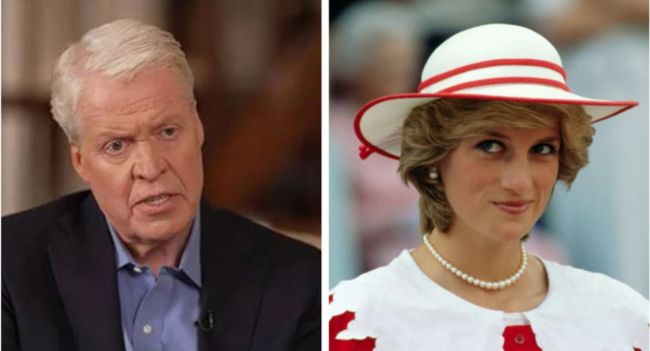
Are We Forgetting the Woman Behind Princess Diana’s Legend?
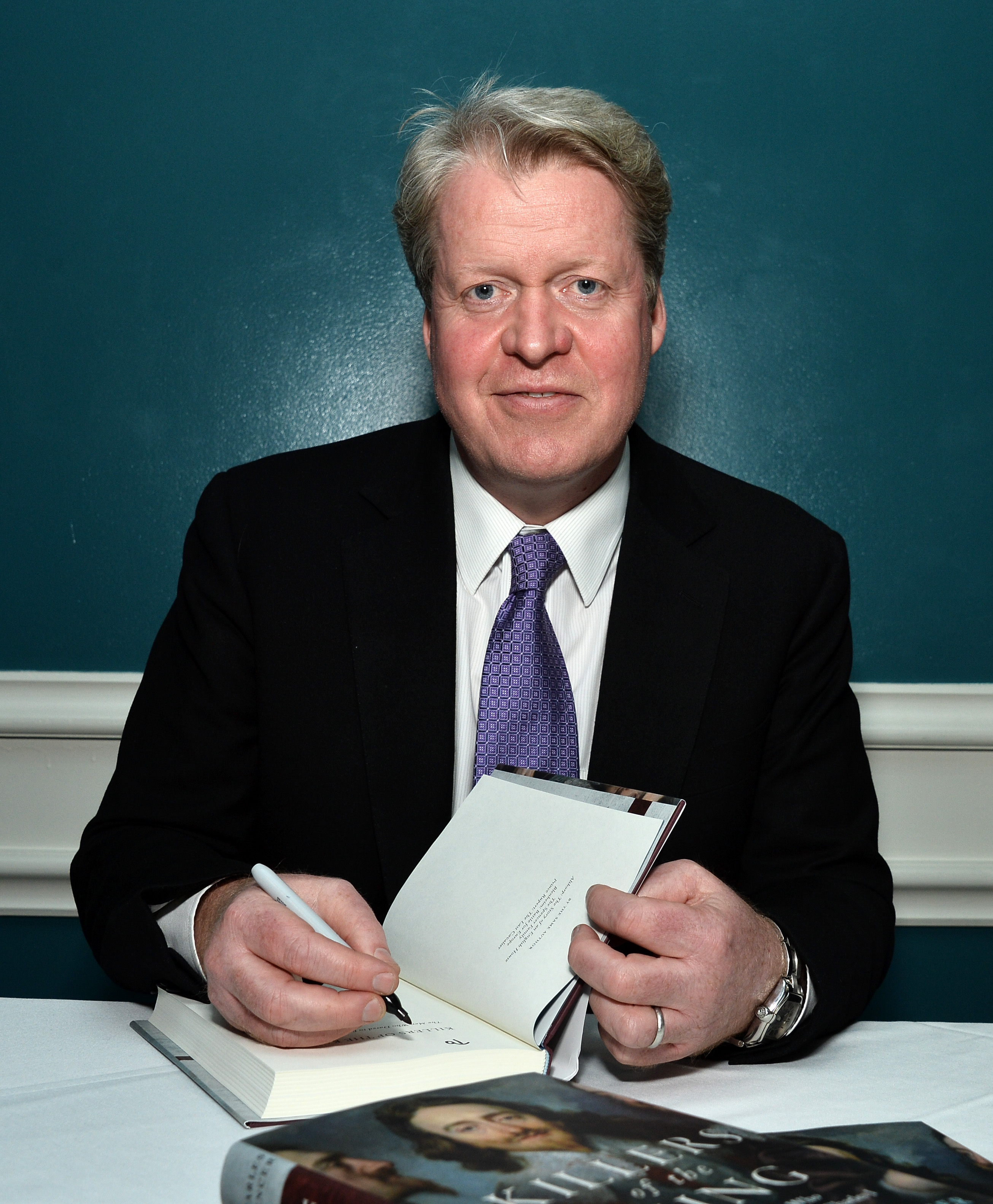
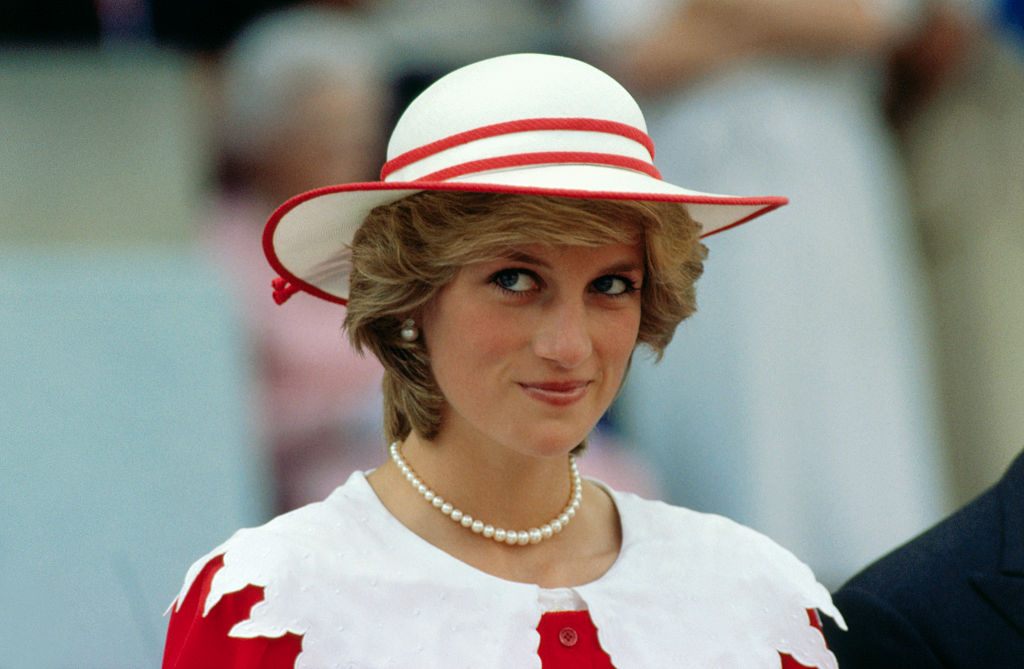
Nearly 30 years after her death, Princess Diana remains at the centre of royal arguments, books, documentaries and public fascination. But as new claims continue to reshape the story surrounding her final years, an uncomfortable question is becoming harder to ignore: are we remembering Diana herself, or simply the many versions of her that others have created?
Diana died at just 36, but her story has never stopped evolving.
Her brother, Earl Spencer, has now placed her back at the heart of a fresh royal dispute through his memoir, Swan Song: Diana, My Sister. The book contains a series of claims about the aftermath of Diana’s death in 1997, including Spencer’s account of an alleged conversation with the then-Prince Charles.
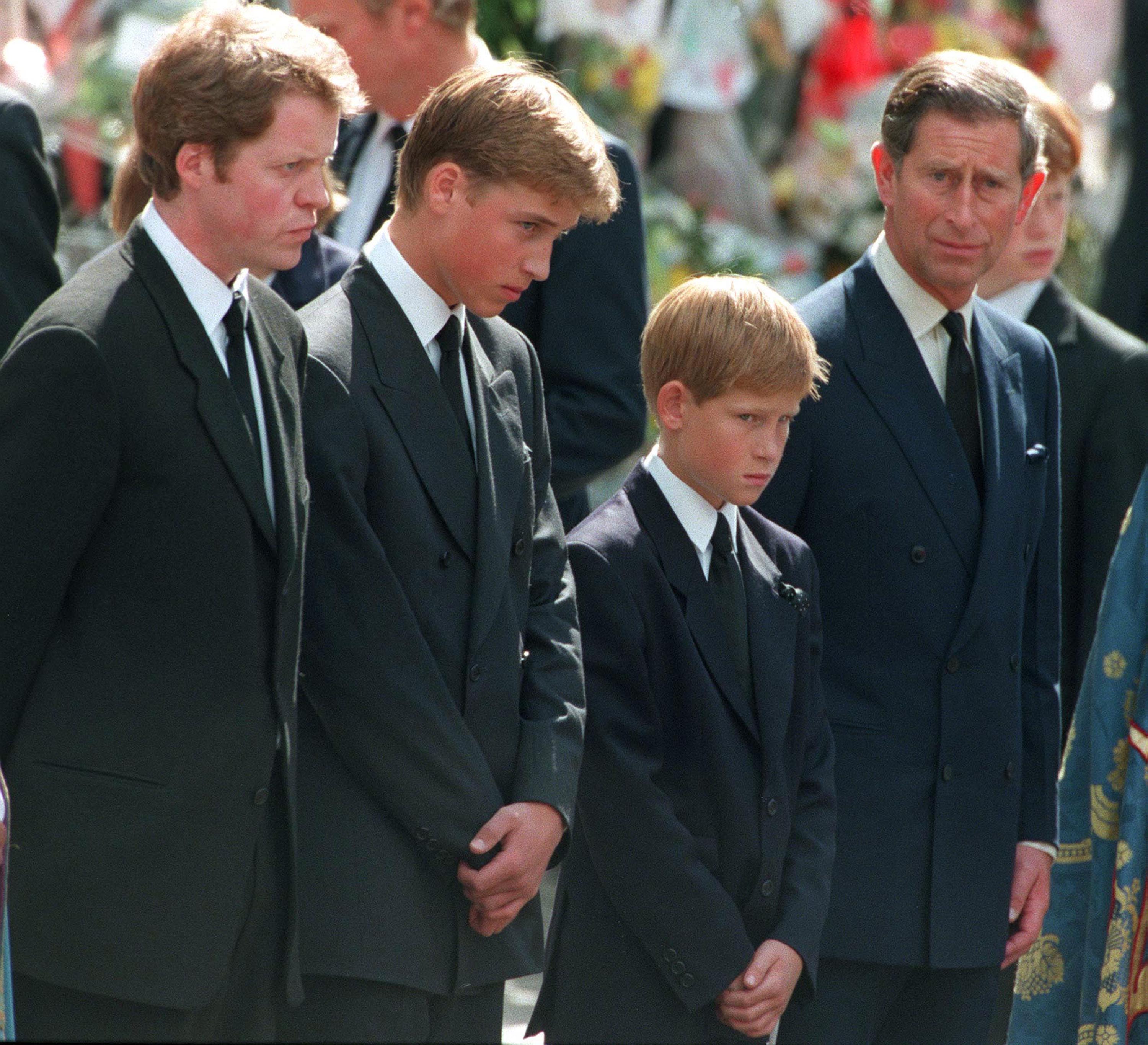
According to Spencer, the disagreement centred on whether Prince William and Prince Harry should walk behind their mother’s coffin during her funeral procession. He claims Charles told him, “We’ll forget her soon enough.”
Buckingham Palace has strongly pushed back against the account, saying that “the pain of fraternal grief can cloud reason, affect judgment and colour memory.” Spencer has stood by his version of events and accused the King of “gaslighting” him.
The dispute is remarkable. But beyond the competing recollections lies another question: where is Diana in all of this?
A woman remembered through everyone else’s eyes
For almost three decades, Diana’s memory has been used to examine the monarchy, the press and the breakdown of her marriage. Her life has also become central to discussions about Charles and Camilla, as well as the experiences of William and Harry.
Spencer is, of course, Diana’s brother. He knew her privately in a way the public never could, and he has previously explained that he wanted to put his own memories on record rather than allow other versions of his sister’s story to dominate.
There is value in hearing from someone who knew Diana personally.
But memories can conflict, particularly when they concern events surrounded by intense grief.
The Palace and Spencer now offer sharply different interpretations of conversations said to have taken place in the aftermath of Diana’s death. And because Diana is no longer here to confirm, challenge or explain those memories, the disagreement can never be settled by hearing directly from her.
When does remembering become profiting?
There is another uncomfortable dimension to Diana’s enduring legacy: its commercial value.
In 1998, Spencer strongly rejected suggestions that he might financially benefit from his sister’s death, declaring: “I’ll never profit from Diana’s death.”
Almost three decades later, that statement has resurfaced as he promotes a commercially published memoir devoted to Diana and his memories of her.
That does not make Spencer unique. Diana remains one of the most recognisable figures in modern royal history, and her story continues to generate books, documentaries, exhibitions and other projects.
Her image has enormous public and commercial appeal.

But Spencer’s earlier words inevitably invite a broader question: when does preserving someone’s memory become profiting from it?
It is a question that extends far beyond Diana’s brother. Many people have built careers, projects and public profiles around different interpretations of her life.
There is no single version of Diana
To some people, Diana represents compassion and humanitarian work. To others, she symbolises rebellion, motherhood, vulnerability, glamour or the transformation of the modern monarchy.
Even her clothing has become part of the mythology.
Her famous black “revenge dress,” worn in 1994 shortly after Charles publicly acknowledged his infidelity, has recently returned to public attention ahead of its planned auction. The dress is now more than an item of clothing; it has become part of the larger story people continue to tell about Diana and her marriage. Reuters reported that the dress is expected to be auctioned in December with a guide price of between $150,000 and $300,000.
And that is part of the difficulty.
There is Diana according to her brother. There is Diana according to the Royal Family. There is Diana according to her sons, biographers, friends and former members of her staff.
There is also Diana as portrayed through television dramas, documentaries, photographs and decades of newspaper coverage.
Then there is the Diana the public believed it knew.
The problem is that the one person who cannot add anything new to that conversation is Diana herself.
The Diana who never got to grow older
Diana died in Paris in 1997 at the age of 36 after the car carrying her and Dodi al-Fayed crashed while being pursued by paparazzi photographers.
She never had the opportunity to grow older and reconsider the events of her younger years.
We will never know what she might have thought about her marriage at 50, how her relationship with Charles might have developed at 60, or how she would have viewed the monarchy in the decades that followed.
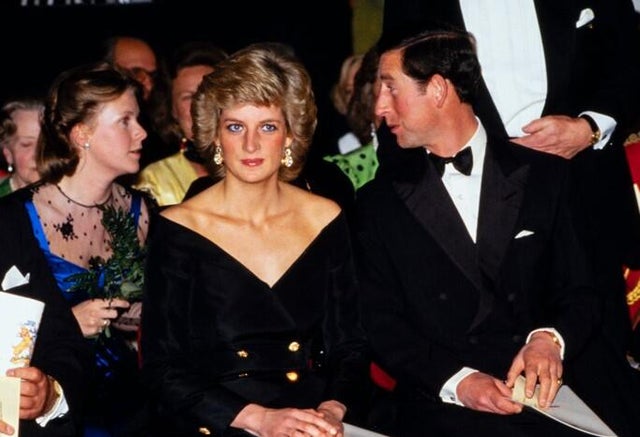
Instead, the public image of Diana remains largely frozen around the woman who died in 1997.
Everyone around her has continued to age, change and reinterpret the past.
Diana cannot.
First and foremost, she was a mother
Perhaps the simplest part of her story is also the easiest to overlook.
Diana was William and Harry’s mother.
William was 15 when she died. Harry was only 12.
The very funeral procession that Spencer now revisits in his memoir involved those two boys walking behind their mother’s coffin while the world watched.
That moment has been debated repeatedly over the years, particularly because of questions about whether children so young should have been expected to participate in such a public and emotionally devastating ceremony.
Nearly 30 years later, it remains a deeply personal memory for William and Harry as well as for the rest of Diana’s family.
Spencer’s account may offer another perspective on what happened behind the scenes. But it also illustrates how quickly an intensely private family tragedy can become part of a much larger public argument.
Remembering Diana without turning her into an argument
Diana does not need to be remembered as perfect.
Nor does listening to those who knew her personally require accepting every recollection without question.
The challenge is recognising the difference between remembering a person and using that person’s memory to settle disputes she can no longer answer.
That distinction has become particularly relevant now.
Spencer’s memoir has reopened arguments about Charles and Diana’s relationship, the Royal Family’s response to her death and the treatment of William and Harry. Buckingham Palace has disputed his recollections, while Spencer continues to defend them. Reuters has described the Palace response as an unusually direct intervention in the dispute.
At the same time, Diana’s legacy continues to appear in entirely different contexts — from fashion exhibitions to discussions about the monarchy and the lives of her sons.
Nearly three decades on, it is clear that Diana has not been forgotten.
Perhaps the more difficult question is what exactly we are remembering.
Behind the photographs, the royal disputes, the memoirs, the documentaries and the endless revelations was a real woman — a daughter, sister and mother whose life ended far too soon.
Her story continues because so many people still feel connected to it.
But Diana herself can no longer tell us which version of that story she would recognise.