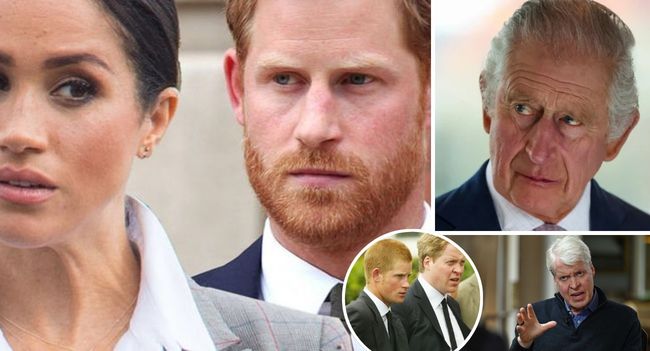
Earl Spencer Brands Media Treatment of Harry and Meghan a ‘Cancerous Influence’ and Accuses King of Gaslighting

In an explosive broadcast interview with the BBC, Earl Charles Spencer drew blistering historical parallels between the ruthless tabloid pressures that broke his late sister, Princess Diana, and the unrelenting scrutiny currently targeted at Prince Harry and Meghan Markle. The Earl characterized the contemporary press assault on the Duke and Duchess of Sussex as a “cancerous influence” operating within their daily domestic realities, warning that the British media ecosystem has catastrophically failed to internalize the lessons of Diana’s tragic demise. Reaffirming that tabloid cruelty remains deeply destructive, Spencer insisted that seeing these exact patterns repeated against his nephew represents an institutional tragedy.
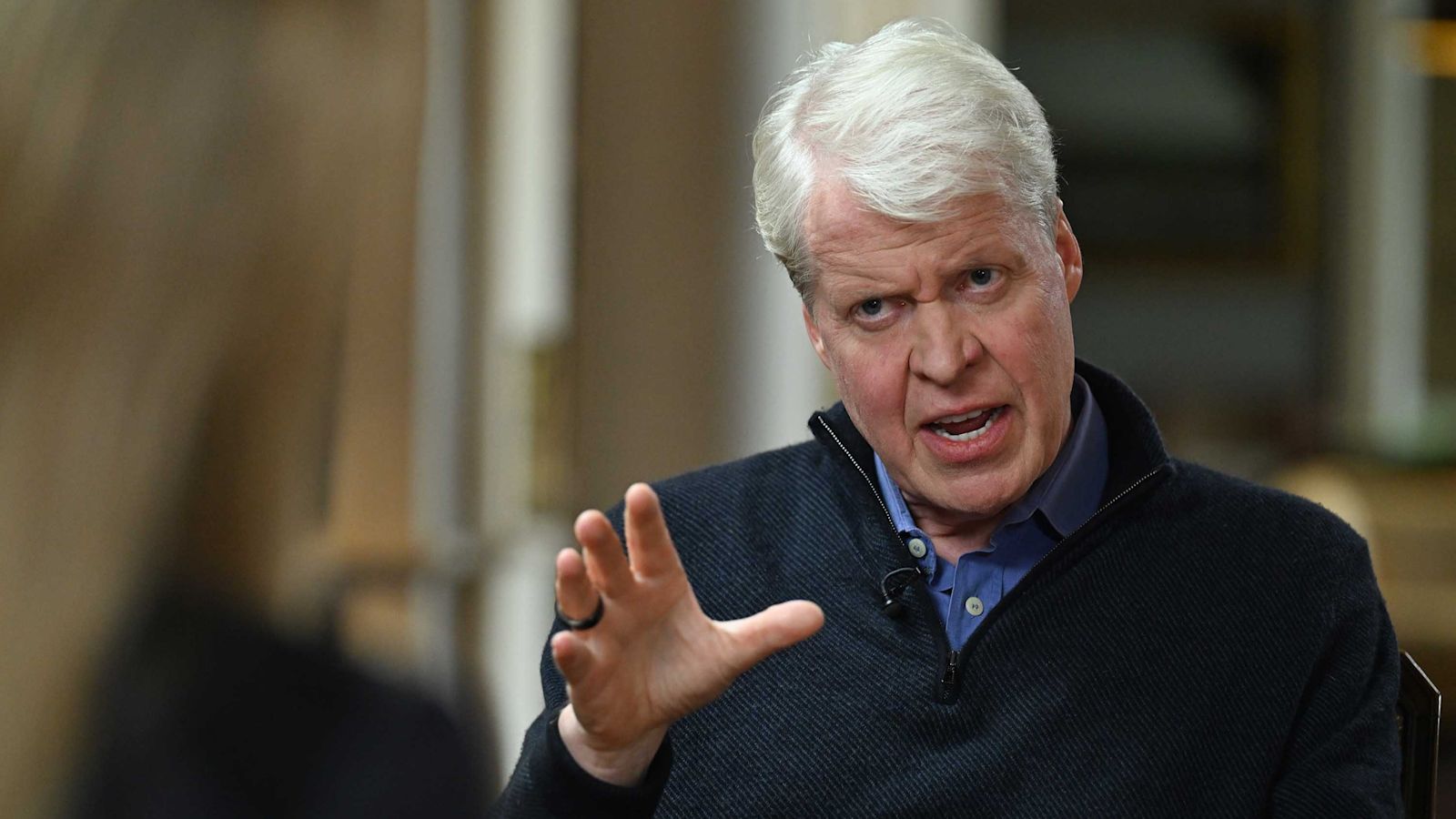
The Earl’s impassioned defense of the Sussexes coincides with a bitter public feud erupting between Althorp and Buckingham Palace following early excerpts of Spencer’s upcoming memoir. The historical volume alleges that following Diana’s untimely death in August 1997, King Charles III lost his temper during an explosive dispute over whether Prince William and Prince Harry should march behind their mother’s funeral cortege, culminating in the chilling assertion: “We’ll forget her soon enough.” In a rare institutional counter-offensive, Buckingham Palace dismissed the claims on Wednesday, issuing an official rebuke stating that “the pain of fraternal grief can cloud reason, affect judgment and colour memory.”
_updates.jpg)
Refusing to yield, Earl Spencer vehemently accused the reigning monarch of direct gaslighting, describing the Palace’s calculated psychological deflection as astonishingly provocative and deeply dishonorable. Speaking to the BBC, the Earl lambasted the official response as an uninspired, “poor imitation of the ‘recollections may vary’ quote” famously deployed by the late Queen Elizabeth II, arguing that the Sovereign engineered an evasive narrative to brand him a fabricator without directly refuting the core dialogue. Maintaining that close family and associates were debriefed immediately after the 1997 altercation due to its monstrous nature, Spencer defiantly asserted that Diana herself would be cheering from the rafters at the publication of this unfiltered chronicle.

This escalating transatlantic confrontation significantly compounds the pressures bearing down upon the House of Windsor following Harry and Meghan’s late-August resettlement in the UK as private citizens. With the Duke of Sussex having relentlessly fought high-stakes High Court privacy actions against major British newspaper publishers over systematic institutional harassment, Spencer’s candid intervention provides powerful validation from within the core Spencer-Mountbatten bloodline. By directly challenging the King’s moral authority on global television, Earl Spencer has fractured the palace’s carefully constructed narrative quarantine, ensuring that historical grievances surrounding Diana’s treatment remain an open institutional liability.