Congratulations!
You've earned 1 point
One Vote Forced a Mistrial in Lindsay Clancy’s Case — Now the Holdout Juror’s Family Is Explaining What Was Behind His Decision
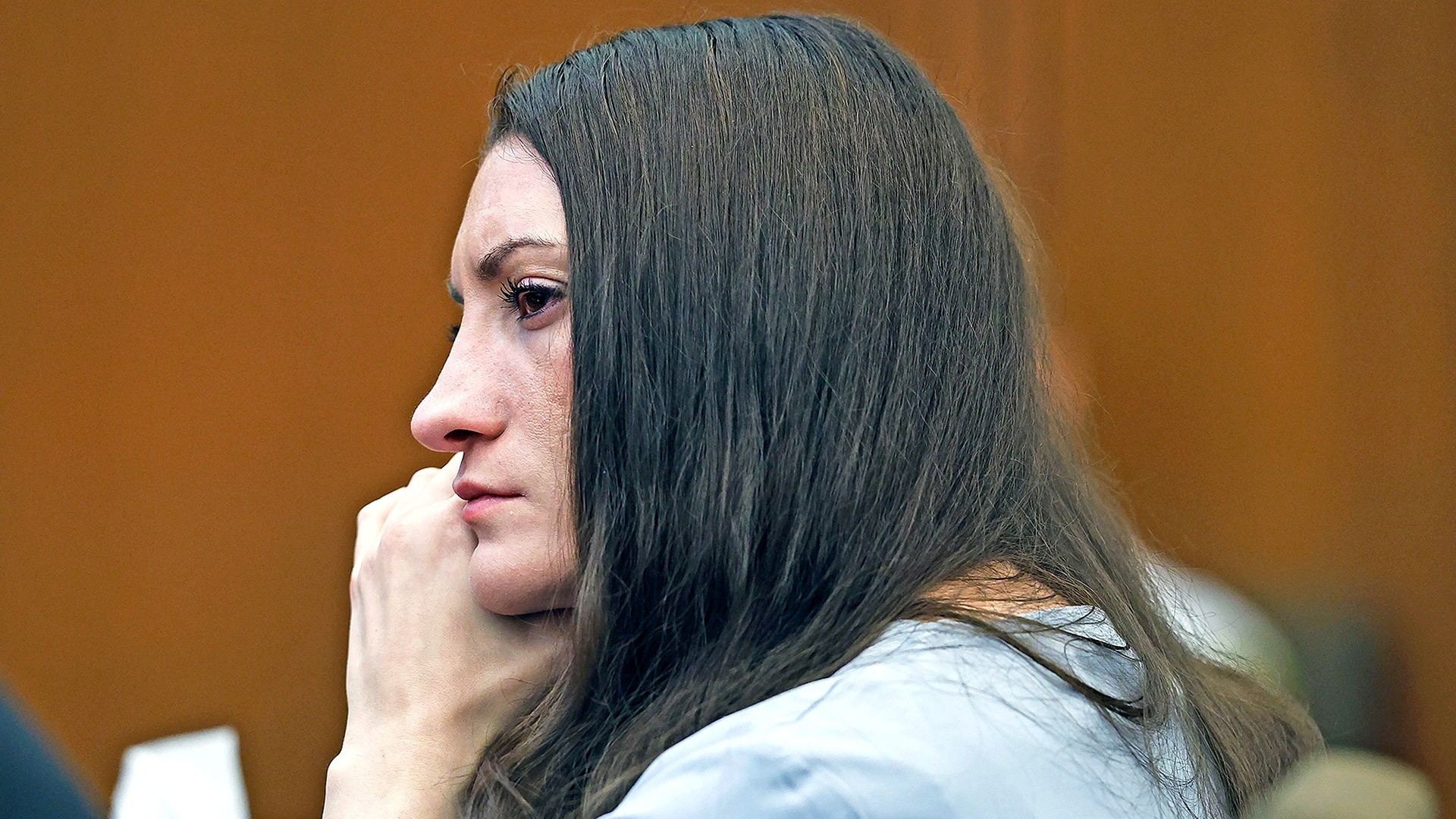
One juror stood against the other 11. That single disagreement was enough to prevent a unanimous verdict in Lindsay Clancy’s closely watched trial — and in the days since the mistrial, attention has shifted dramatically toward the man who refused to change his mind.
Now, his brother is pushing back against one of the biggest theories surrounding that vote: that the juror’s Catholic faith was responsible for his decision to find Clancy guilty.
“I don’t think religion had anything to do with it,” the brother said.
Instead, he described the decision in much simpler terms. His brother listened to the case, considered the evidence and reached a conclusion he believed was correct — even though virtually everyone else in the jury room disagreed.
“He looked at the case, and he made the call,” the brother said. “For me, that’s how I would do it. I would just listen to the case with all the evidence, and go from there.”
The 11–1 Split That Changed the Trial
Clancy, 36, admitted responsibility for the deaths of her three children — Cora, 5, Dawson, 3, and 8-month-old Callan — at the family’s Duxbury, Massachusetts, home.
Her defense maintained that she had been suffering from severe postpartum psychosis and was legally insane at the time.
After nearly a week of deliberations, 11 members of the jury were prepared to find Clancy not guilty by reason of insanity.
One was not.
The holdout juror remained convinced of her guilt, leaving the panel unable to reach the unanimous decision required for a verdict. The trial ultimately ended in a mistrial on September 4.
His brother acknowledged that the decision inevitably divided people.
“His choice was good for some people, but not good for other people,” he said.
Why Religion Became Part of the Debate
Questions about the juror’s faith did not emerge in a vacuum.
During the trial, prosecutors and witnesses made references to the Catholic concept of murder and suicide as “mortal sin,” comments that drew rebukes from the judge.
After the mistrial, speculation spread that the holdout juror’s religious beliefs might have influenced his refusal to accept the insanity defense.
His brother rejects that explanation.
He described the family as devoutly Catholic and Haitian immigrants but insisted religion was not what determined his brother’s conclusion.
For him, the explanation remained the evidence presented in court.
The Family Says It Never Knew He Was on the Clancy Jury
Perhaps more surprisingly, the juror’s family apparently had no idea he was involved in the high-profile case while the trial was underway.
The juror had not told them.
“We didn’t know. That’s why I was shocked,” his brother said. “He didn’t tell us anything.”
That changed dramatically once the mistrial thrust the holdout juror into the center of the story.
His brother said the family began receiving relentless attention from people following the case and reporters. Notes were allegedly left at their mother’s home, while phone calls poured in.
“My family cannot leave the house,” he said.
“They are leaving notes at my mother’s house. They won’t leave us alone and we don’t know anything.”
A local garage owner who knows the juror said his recently married wife had also indicated that the family intended to keep a low profile because of the intense attention.
Questions About the Juror’s Own Past Surface
As scrutiny intensified, another part of the story began attracting attention: the holdout juror’s history outside the courtroom.
According to court records cited in the report, he was arrested in 2021 over allegations involving his then-wife. Those charges were ultimately dismissed.
New allegations emerged in 2025.
A teenage nephew accused the juror of pushing him to the ground and hitting him in the face. The same nephew had previously contacted police during the earlier incident involving the juror’s then-wife.
A restraining order involving the teenager was still active when the man was selected to serve on the Clancy jury and expired while the trial was taking place.
That history has prompted questions about the jury-selection process.
Prospective jurors are required to disclose whether they have been arrested, charged with a crime or served with a court order. The report states that it remains unclear how this juror responded to those questions.
People Who Know Him Describe Another Side

The court allegations are not the only picture to emerge of the man at the center of the controversy.
A garage owner who regularly sees the juror described him as a kind and religious customer.
“He is a really nice guy,” the owner said. “He goes to church.”
The business owner recalled an occasion when a woman was unable to pay for her fuel and the juror stepped forward to cover the bill himself.
That contrasting portrait has only added another layer to the scrutiny surrounding the anonymous juror.
One Decision, Enormous Consequences

The juror entered the trial as one of 12 anonymous people tasked with deciding Clancy’s legal fate.
He emerged from deliberations as the lone vote preventing an insanity verdict.
Since then, supporters have rallied around him, while other jurors have criticized how he approached deliberations. A fundraiser launched in his support also quickly attracted significant donations.
His personal history has been examined, his religious beliefs questioned and his family pulled into a level of public attention they say they never expected.
Yet his brother’s explanation for the vote remains strikingly uncomplicated.
He says his brother heard the evidence and made his own decision.
And when that decision put him alone against 11 other jurors, he refused to change it.