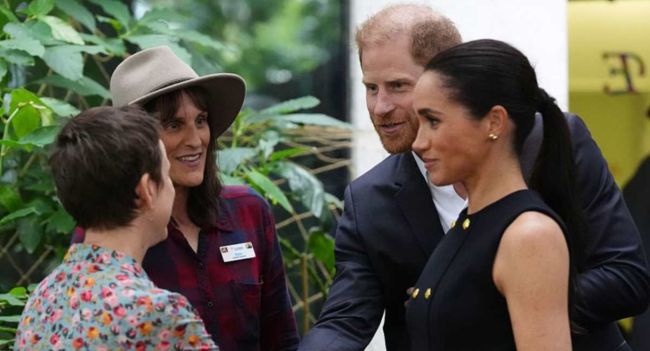
Royal Expert Says There May Have Been No Harm in Letting Harry and Meghan Return to Royal Duties
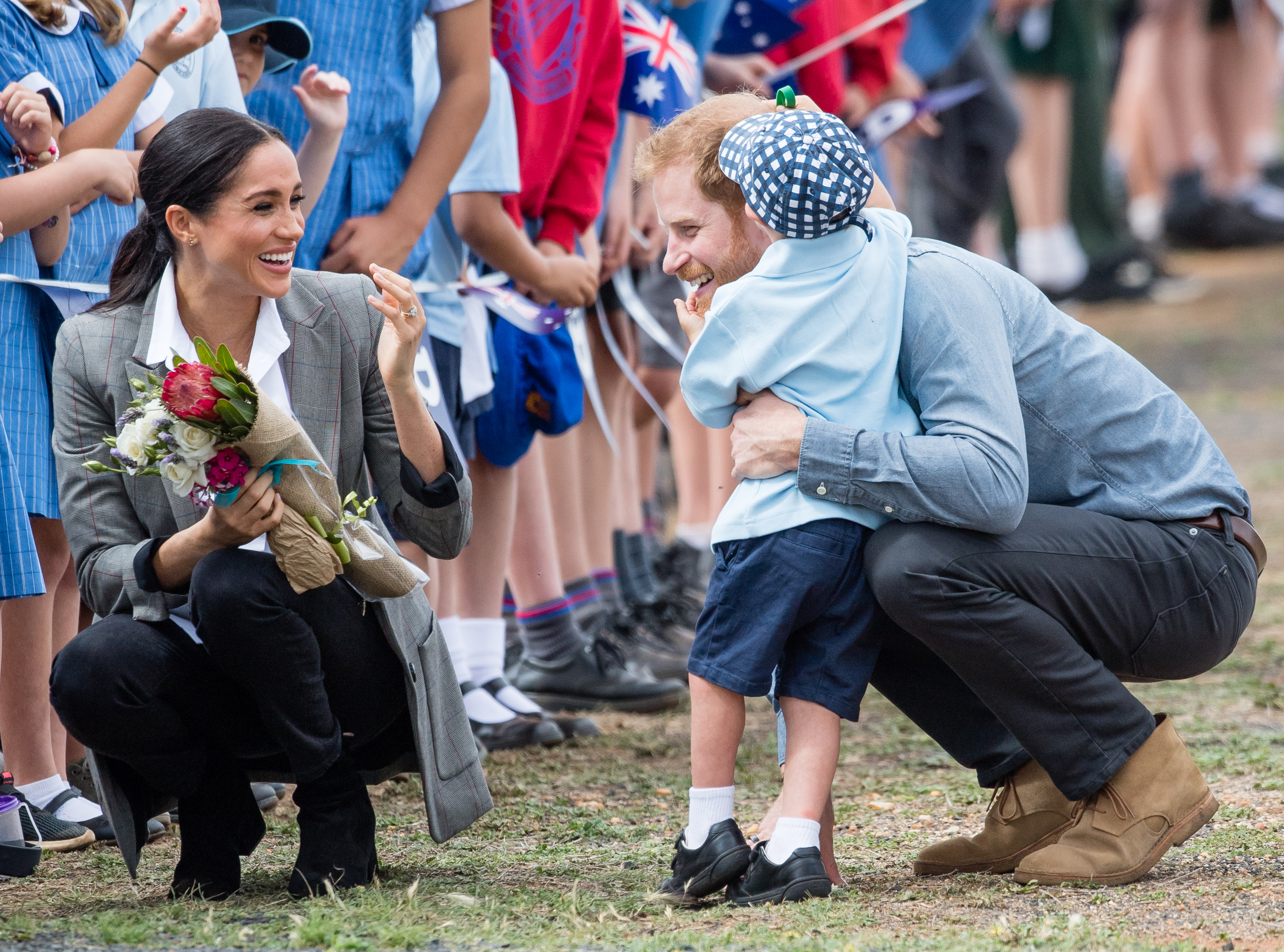
Prince Harry and Meghan Markle may no longer be working royals, but one royal expert believes the couple could still have been an asset to the monarchy if they had been allowed to pursue a different arrangement.
The debate over what it means to be a “working royal” has resurfaced following King Charles’ recent guidance confirming that Harry and Meghan will live in the UK in a private capacity and will not resume official royal duties.
But writing for The i Paper, former BBC royal correspondent Jennie Bond argued that the Sussexes’ original request may have been worth considering rather than being rejected outright.
Could the Sussexes have followed a different royal model?
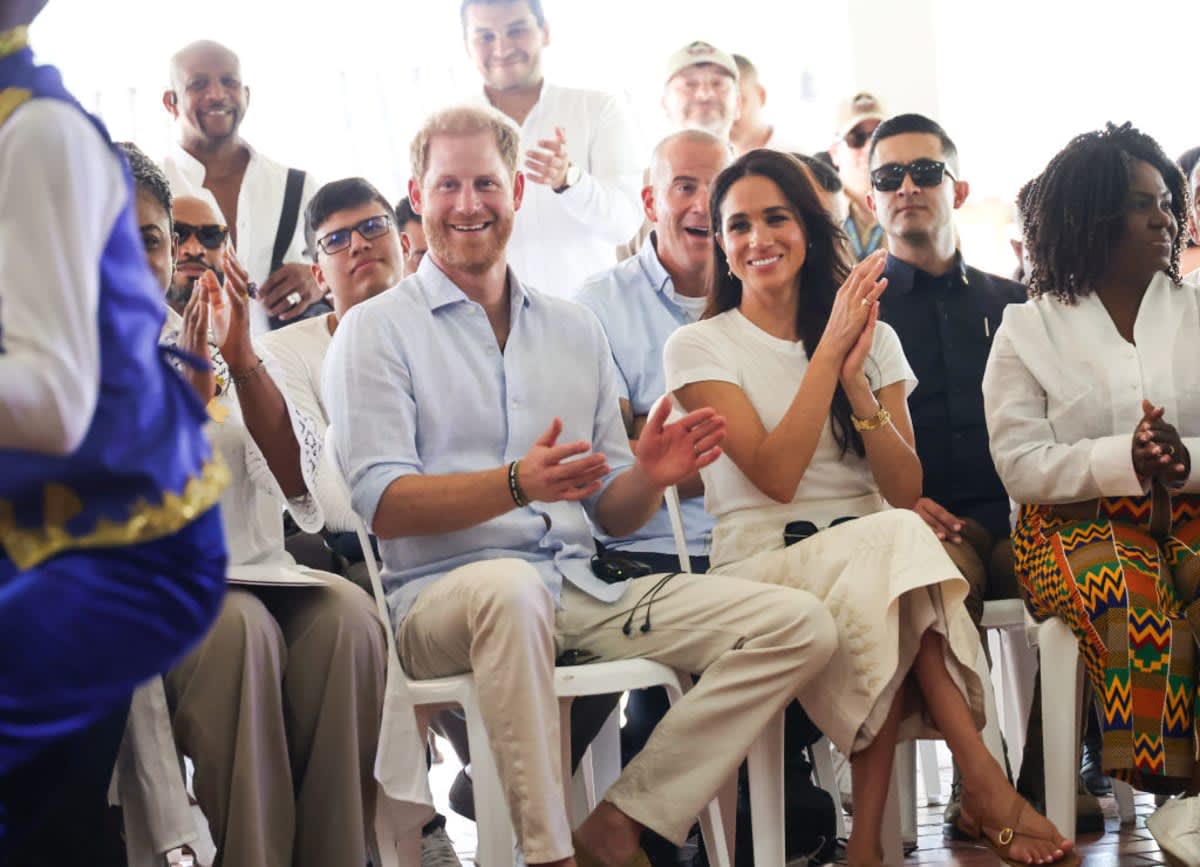
According to Bond, Harry and Meghan did not necessarily want to walk away from the Royal Family when they stepped back from official duties.
Instead, she suggested that what they wanted was greater freedom from the Palace while reducing the financial burden on taxpayers.
Bond questioned why the couple could not have remained involved in selected royal activities while pursuing financial independence.
She argued that Meghan’s dual heritage could have been an asset to the monarchy, while Harry was once regarded as one of its more popular younger members, with what she described as his “cheeky charm.”
From that perspective, Bond suggested there may have been value in allowing the couple to continue with occasional royal responsibilities.
“Why shouldn’t they also take on a few royal duties, representing the sovereign on a Commonwealth tour or helping out with occasional charity events at home? Where’s the harm?” she wrote.
Her argument is that the definition of a “working royal” may need to be reconsidered, and that a model allowing Harry and Meghan to remain financially independent while undertaking selected official duties was not necessarily impossible.
The “half-in, half-out” idea was rejected
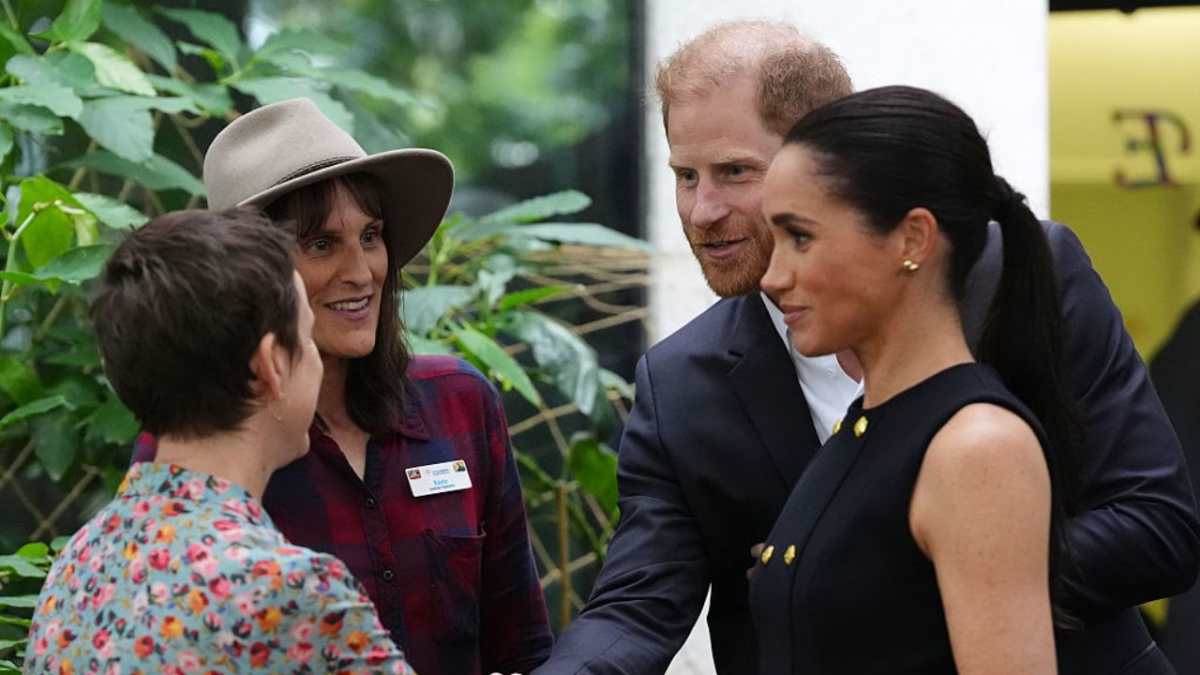
Harry and Meghan’s proposal to combine royal duties with financial independence was ultimately rejected by Queen Elizabeth II.
Yet Bond noted that, in some respects, the couple have since created something resembling that arrangement.
They are financially independent while continuing to support causes and charities they became involved with during their time as working royals.
Harry has remained closely involved with the Invictus Games and the WellChild Awards. Earlier this year, he also travelled to Ukraine, where he delivered a speech calling on world leaders.
The couple have also continued to undertake high-profile charitable activities overseas.
In April, Harry and Meghan made a privately funded four-day trip to Australia, visiting locations including the Royal Children’s Hospital, Veteran Arts Museum, Scar Tree Walk and Bondi Beach.
During the visit, they met patients, staff, veterans’ children, first responders and survivors.
Bond observed that the trip had many of the characteristics of a traditional royal tour, despite the couple no longer carrying out official royal duties.
Edward and Sophie offer a possible precedent
Bond also pointed to another branch of the Royal Family as an example of what can happen when royals attempt to build financially independent careers.
Prince Edward and Duchess Sophie previously pursued independent professional lives.
Edward established Ardent Productions, while Sophie worked in public relations. However, both experiences eventually ended badly.
Edward’s production company struggled, while Sophie was famously caught in a sting operation involving a journalist posing as a sheikh, during which she was tricked into discussing members of the Royal Family.
The couple eventually moved away from their independent careers and became full-time working royals.
Bond believes Harry and Meghan would need to learn from those earlier experiences if they were ever to operate in a similar “half-in, half-out” arrangement.
“There would always be a potential conflict of interest if Harry and Meghan were half in and half out,” she acknowledged.
However, she argued that the problems encountered by Edward and Sophie could provide lessons for the Sussexes about how such an arrangement might be managed more carefully.
Money and security remain major questions
One of the biggest challenges surrounding any return to royal duties would be the question of public funding.
Working royals receive support for official expenses through the Sovereign Grant, meaning the cost ultimately involves taxpayers. Security is another particularly sensitive issue.
Bond suggested that Harry and Meghan’s official working expenses could potentially be covered through the Sovereign Grant while the couple remained financially independent in other areas.
She acknowledged, however, that police protection would be a separate matter.
For Bond, that issue would not necessarily make a hybrid arrangement impossible or more complicated than the situation surrounding the Sussexes today.
The debate ultimately comes down to whether the monarchy could have accommodated a different role for Harry and Meghan — one that combined financial independence with occasional official duties.
That opportunity was rejected under Queen Elizabeth II. Now, with King Charles having reaffirmed that the Sussexes are private citizens rather than working royals, Bond’s argument raises a different question: whether the Royal Family might have benefited from finding a compromise before the couple ultimately chose a life outside the Firm.