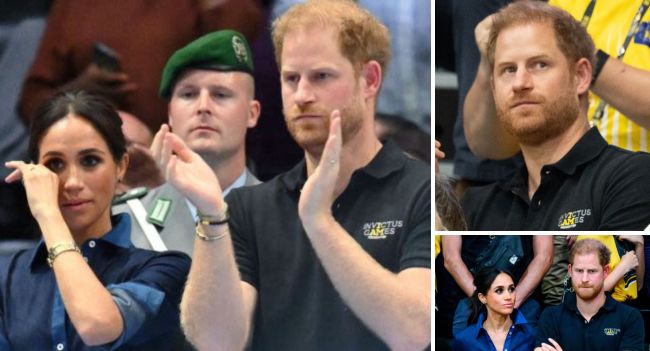
Back for Just Two Weeks, Harry and Meghan’s UK Return Is Already a Pure Farce, Argues Jan Moir

Prince Harry and Meghan Markle have been back on British soil for barely two short weeks, yet their much-hyped domestic homecoming has already descended into absolute, unmitigated farce. In a scathing cultural critique for the Daily Mail, columnist Jan Moir delivers an unsparing verdict on the Sussexes’ initial fortnight, observing that their return has produced an immediate avalanche of institutional friction rather than the triumphant public rehabilitation they evidently envisioned. Far from returning with modesty or contrition after six years of lucrative voluntary exile in Montecito, the couple’s erratic maneuvers have rapidly triggered severe containment measures from the throne.
The defining blow to their arrival was delivered just 17 days into their stay via a stern administrative edict issued on behalf of King Charles by the Lord Chamberlain. Circulated directly to more than 100 senior regional stakeholders and institutional bodies across the United Kingdom, the directive bluntly instructed civic authorities that the King’s younger son and daughter-in-law must not be treated as working members of the royal family nor afforded state-funded ceremonial deference. Accompanying the notice was an unambiguous reaffirmation that their coveted HRH styling remains strictly in deep storage, permanently dismantling any residual hopes of operating within an ambiguous, half-in, half-out constitutional status.
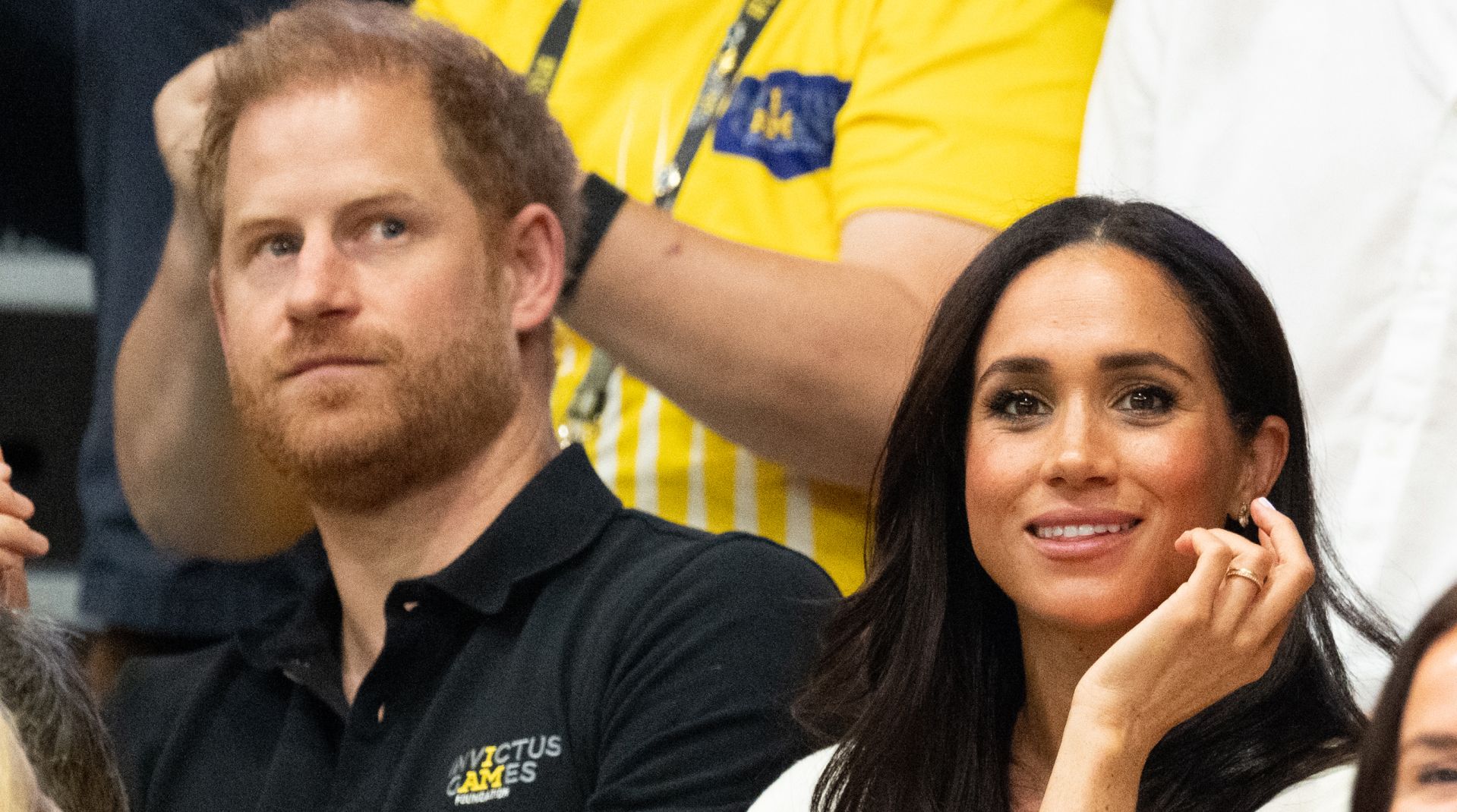
Moir highlights that the central lesson the Sussexes chronically refuse to absorb is their own profound institutional insignificance. The columnist pillories the couple’s bewildered public briefing—which protested that they had not been forewarned about the sovereign’s circular—as a staggering failure of basic reality testing. In a constitutional monarchy spanning a millennium, the reigning King possesses zero obligation to clear administrative guidance with his wayward son’s California-trained press apparatus. Characterizing the pair as prickly figures who take offense at shadows and remain wholly allergic to humility, Moir argues that six years abroad taught them nothing about the endurance of the Crown.
The yawning chasm between the couple’s grandiose expectations and their diminished reality was laid bare by Harry’s inaugural public appearance in Britain: signing an autograph wall at a private London podcast studio. This underwhelming spectacle highlights how thoroughly disconnected their commercial posturing is from authentic royal service. Concluding that history will record their rebellion as little more than a pair of indignant gnats buzzing around a thousand-year-old dynasty, Moir warns that if week two is already characterized by institutional reprimands and petty grievances, their long-term domestic stay promises to remain an exhausting, self-inflicted embarrassment.