
Helen O’Hara, the author of Women vs Hollywood: The Fall and Rise of Women in Film, loved The English Patient at an early screening, but thinks it suffered from undue hype for those who saw it later. “I feel like this was near the peak of the Miramax Oscar machine times, the era when the Weinsteins seemed to dominate the awards to an absurd degree. So, I remember, when I brought my friends to see the film after all that hype, there was this sense that, ‘It’s good, but it’s not that good”. I think a lot of its strength was in its delicacy and understatement, and when you go in expecting capital-G Greatness, that’s not really the kind of film it is.”

A similar backlash happened a year later, after the release of another initially acclaimed romantic epic: Titanic. There was a growing sense that the genre was too revered, and few great films came along to disprove that. Minghella’s own Cold Mountain in 2003 was politely received, but not a sensation; and even the most positive reviews for Atonement in 2007 were more tempered. Luhrmann’s attempt to revive the genre in 2008 with Australia had very mixed results.
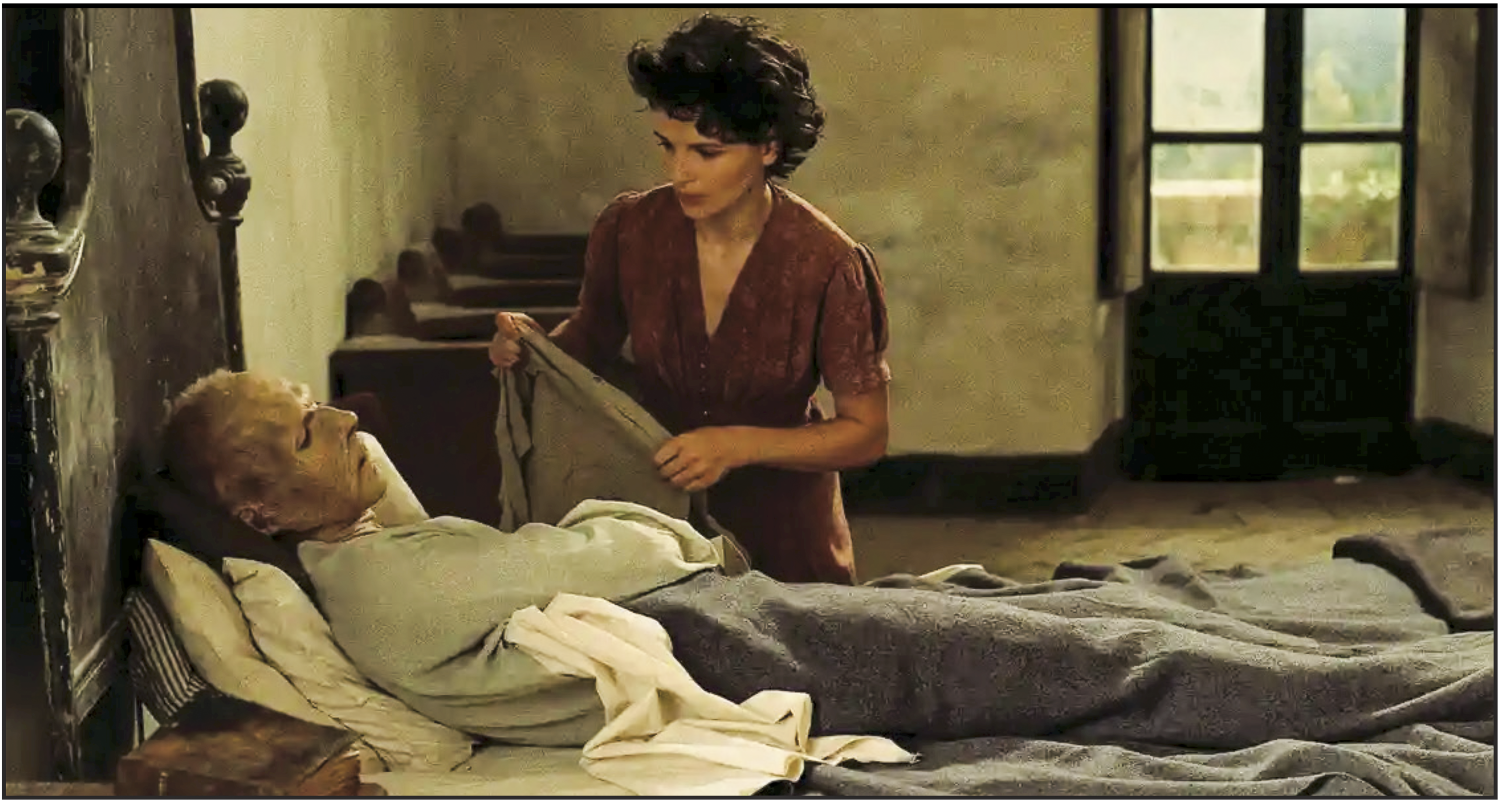
It is at once romantic and restrained, epic and intimate, so that it never feels overblown or bombastic

O’Hara points to a decline in the romance genre as a whole. “I think romance, as well as rom-coms, have suffered in recent years for a couple of reasons. First, the hollowing out of the mid-budget, adult-focused drama has hit it hard, because we don’t tend to get many of those anymore – especially now with the epic wartime backdrop that this had.” She also highlights our more self-aware, politically correct culture. “There’s a wariness of old romantic tropes, some of which are now considered problematic or sexist (what used to be thought of as romantic pursuit is now often described as stalking).” The drive for more complex films about women may even have edged the genre out, she says. And then, of course, there has been a proliferation of superhero films and franchises, a much safer bet for risk-averse studios looking to fill the multiplexes.