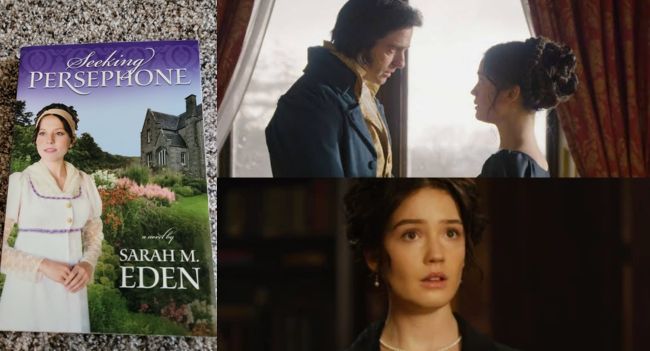
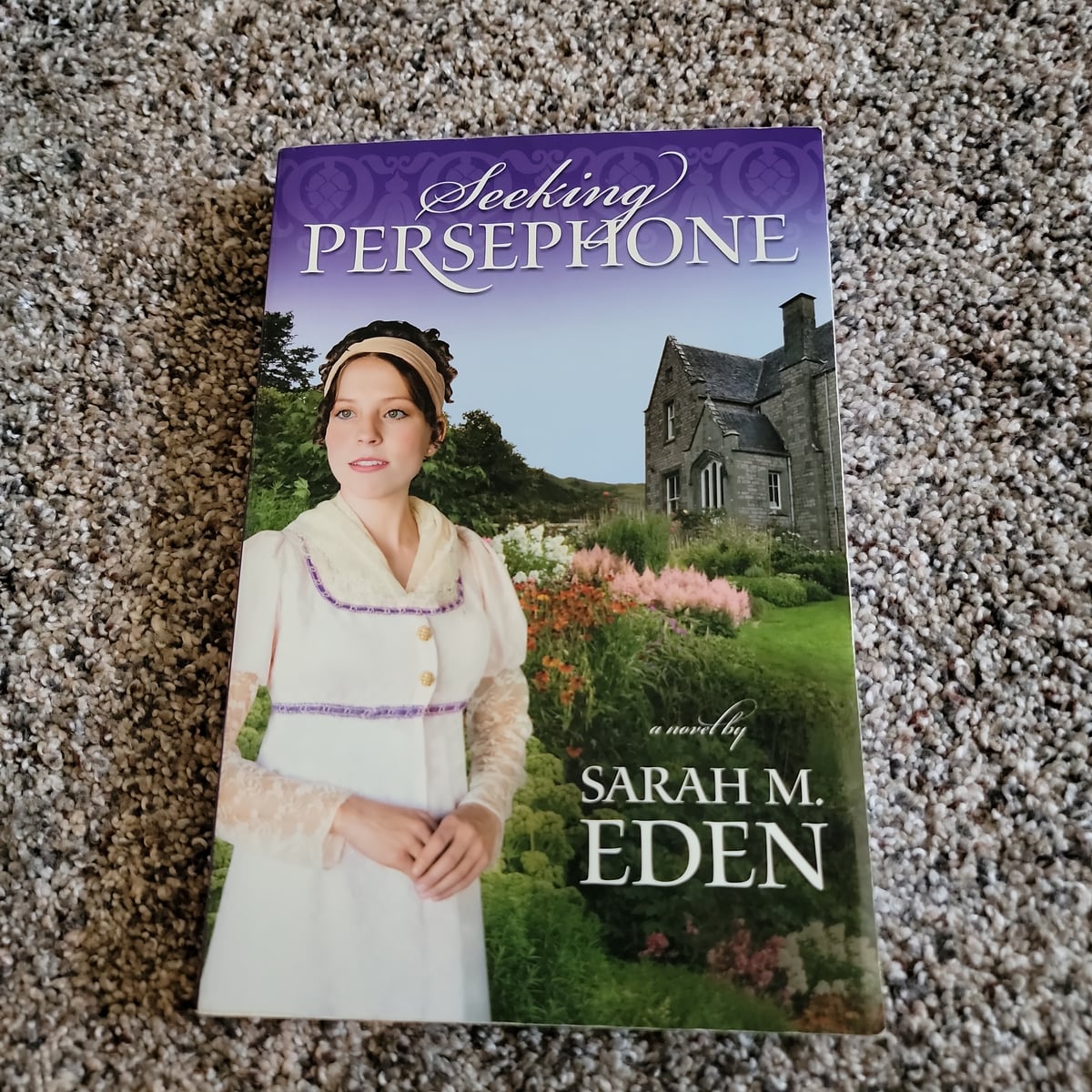
In the world of historical romance, the term “closed door” (or low-spice) refers to works that maintain purity and avoid explicit, suggestive scenes. Many authors choose this style to focus on the psychological depth and emotional connection of their characters. However, the line between subtlety and dullness is incredibly thin. When it was first published years ago, Sarah M. Eden’s novel, *Seeking Persephone*, was a prime example, facing fierce criticism from readers for allegedly overusing this style to mask a lifeless plot.
At the time, all readers received from a story set in an aristocratic context, which should have been dramatic, was a chillingly cold atmosphere. Many readers frankly shared that they felt trapped alongside the characters in a deathly space. The entire old book was just a series of scenes of a group of people sitting thoughtfully and silently in an empty, lifeless castle; even the servants had inexplicably disappeared. The lack of realistic details of life turned the work into a monotonous diary of emotions, completely devoid of any chemistry between the two main characters. One reader at the time angrily asserted: “A wholesome story is no excuse for a lack of passion.”
Beyond its blandness, the book also challenged the reader’s patience with major logical flaws in the plot. The climax that caused many bookworms at the time to drop the book at around 40% was the emotionless behavior of the main couple after the family tragedy. When tragedy strikes the female protagonist’s brothers, instead of immediately returning home to mourn and deal with the consequences as is customary, the two characters selfishly choose to remain and wallow in their grief. This illogical aspect led to Seeking Persephone being labeled one of the most disappointing works at the time.

The impasse of the book version inadvertently became fertile ground for filmmakers to exploit and innovate. Instead of simply transferring the unrealistic pages of the book to the screen, the screenwriting team made groundbreaking adjustments in terms of setting and pacing. The once desolate and cold castle is now filled with the authentic sounds of aristocratic life, from the hustle and bustle of the servants to the flamboyant lifestyle of the upper class of that era. In particular, the absurd “debt collection” scene involving the main couple after a family tragedy has been cinematically transformed into a series of agonizing psychological developments, turning old-fashioned selfishness into a fateful knot that forces the two characters to confront their dark sides and mature.
The reversal of public opinion regarding this work also reflects a clear shift in the tastes of modern audiences. Amidst a film market flooded with romantic films that indiscriminately exploit “sex scenes” to attract viewers, audiences are becoming “overwhelmed” and yearn for original, refined values. The film adaptation of Seeking Persephone appeared at the right time, like a refreshing rain. Audiences no longer need explicit scenes to feel love; what they need are precious moments of quiet reflection, plot points that respect the viewer’s intelligence, and the film excels at this by redefining what constitutes a standard romantic work.

Now, this work has undergone a classic revival and completely overturned preconceived notions upon its official release on the big screen. The film adaptation project has undertaken a comprehensive “overhaul” to correct the flaws in the original novel. The script’s flaws, once heavily criticized, have been skillfully filled by the screenwriters and directors with incredibly logical plot twists and resolutions.
The most miraculous thing that helped the film win over even the most discerning viewers who once disliked the book is the outstanding performance of the lead male and female actors. The lackluster and cold interactions in the book have been replaced by explosive “chemistry” on screen. Every restrained glance, every subtle and nuanced gesture from the two actors has breathed life into the story, proving that a romantic film doesn’t need vulgar sex scenes to still captivate viewers. Seeking Persephone’s stunning comeback has become a powerful testament to the fact that no script is beyond redemption if it finds filmmakers with genuine passion and talent.