Comprehensive Deep-Dive: Further Legal Repercussions and Institutional Fallout Surrounding Andrew Mountbatten-Windsor’s High Court Challenge
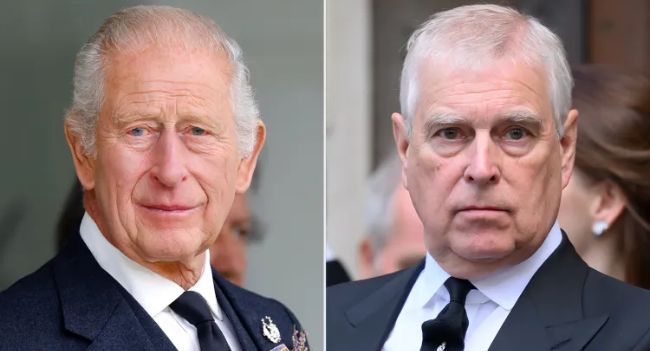
The decision by Andrew Mountbatten-Windsor to launch a high-stakes legal challenge against Thames Valley Police has continued to generate intense legal and public scrutiny, highlighting the deep structural chasm between him and the modern monarchy under King Charles.
1. Anatomy of the High Court Challenge
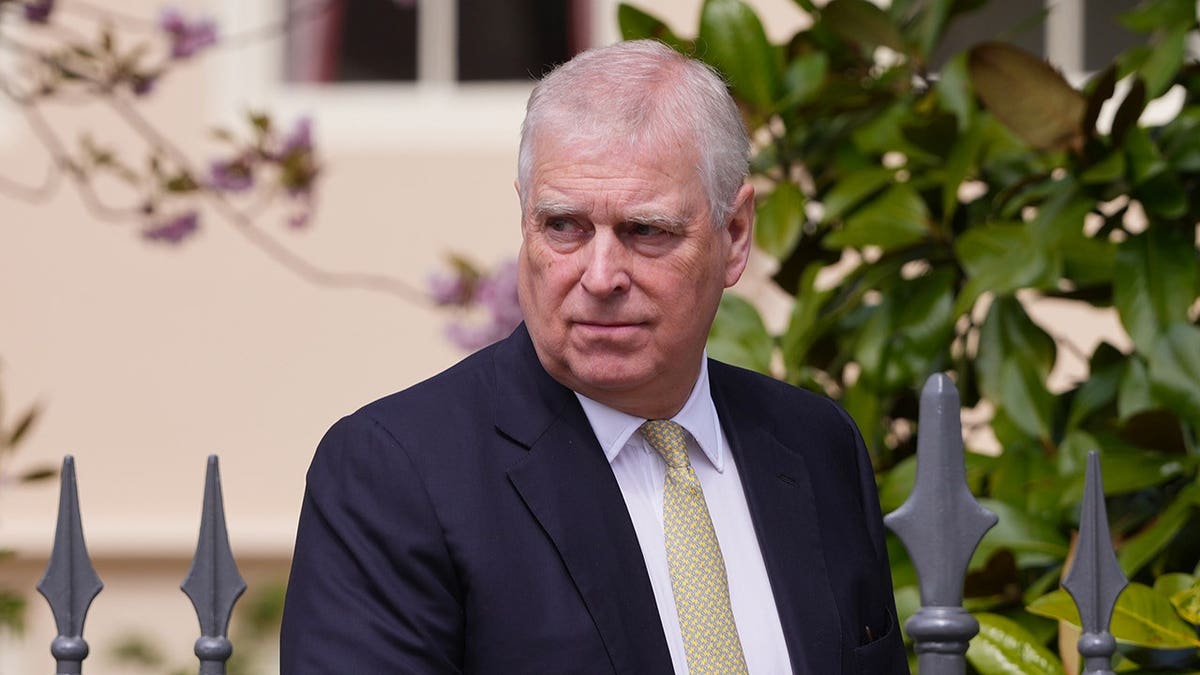
At the heart of the legal battle is an aggressive push by Andrew’s defense team to dismantle the evidentiary foundation used by law enforcement during earlier high-profile raids.
-
Challenging the Warrants: Legal representatives filed for a judicial review in the High Court aiming to formally quash the search warrants executed at his properties following his arrest for alleged misconduct in public office.
-
The Judicial Scrutiny: Private hearings before the High Court have focused heavily on whether investigators overstepped boundaries regarding document seizures and the specific parameters authorized by the Central Criminal Court.

2. Cementing the Royal Firewall
The financial and operational dissociation emphasized by Buckingham Palace marks a historic turning point in how the institution handles internal scandals.
-
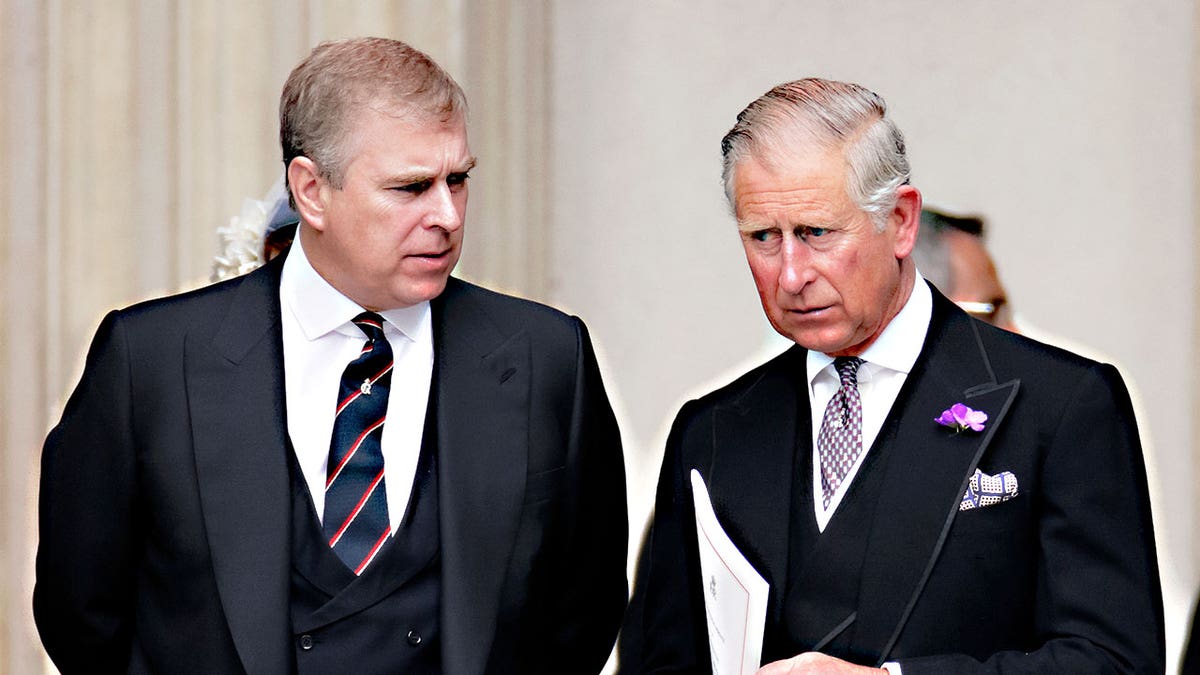
Absolute Financial Separation: By explicitly confirming that no sovereign or private royal funds will subsidize his legal fees, King Charles has drawn a permanent line in the sand, reinforcing the total stripping of his brother’s titles, patronages, and institutional safety nets.
-
Public and Political Relief: Anti-monarchy groups and legal watchdogs have largely viewed the Palace’s hardline stance as a necessary step to protect the crown’s integrity, ensuring that any protracted courtroom battles remain entirely a private burden for Andrew and his legal counsel.